
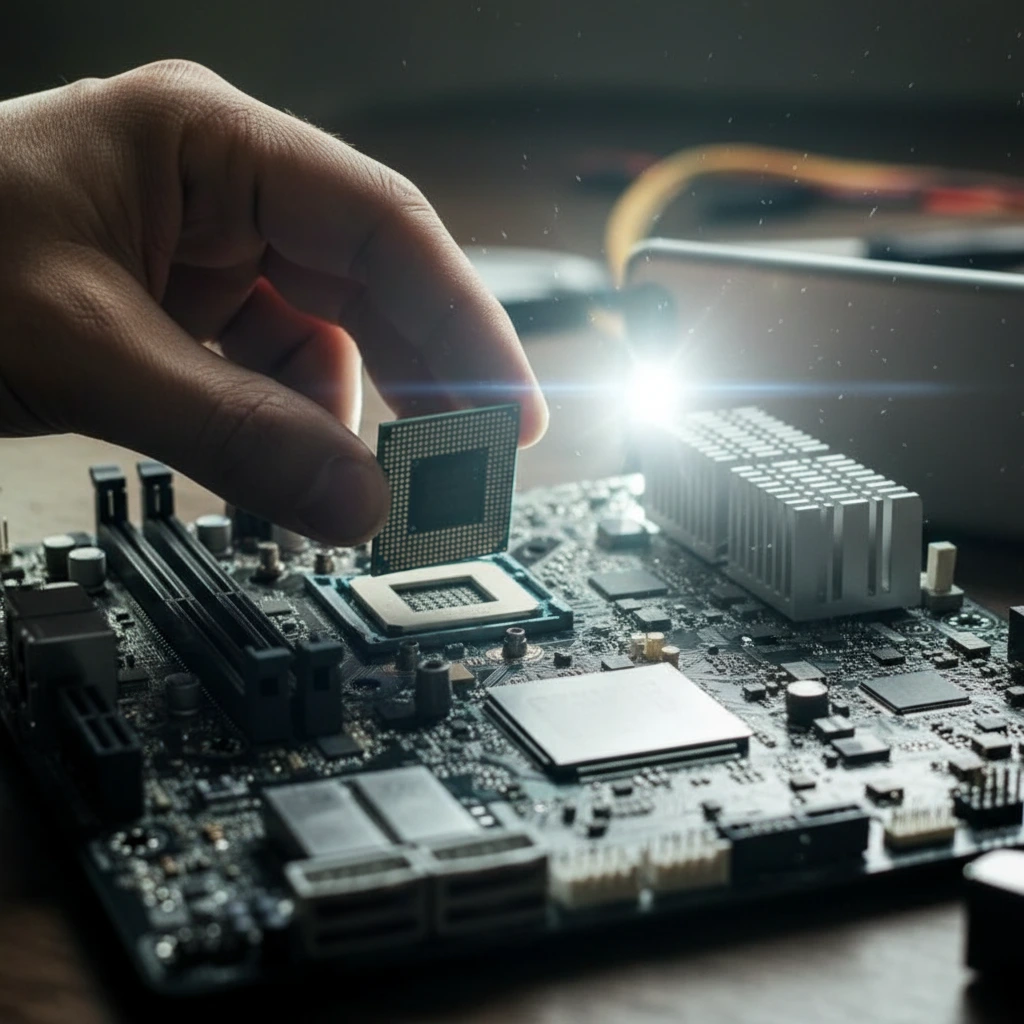
Pakistan’s Path to Affordable Tech: Building Local Hardware Amid Global Price Hikes
You may have noticed the rising cost of computers, laptops, tablets, and other digital devices over the past year. This trend isn’t unique to Pakistan globally, hardware prices are skyrocketing, and it directly impacts both individuals and organizations like yours. If you rely on imported technology for work, learning, or digital business, these increases are likely to hit your budget hard.
The steep rise in hardware component costs, including essential elements such as Random Access Memory (RAM) and Solid-State Drives (SSDs), has already caused a global surge in device prices. According to recent estimates, RAM prices have doubled in 2025, while SSD costs have increased fivefold. These trends are expected to continue in 2026, largely driven by rising demand from AI-focused data centers worldwide.
For you, this means that upgrading your computer systems, whether for personal use, business operations, or educational purposes, has become more expensive. For businesses and public sector entities, the cost of digitizing operations is climbing, adding pressure on already tight budgets.
Khushnood Aftab Shaikh, CEO of Viper Computer, emphasizes that relying solely on imports is unsustainable. “The rising cost of imported devices not only increases expenditure for public and private sector organizations but also significantly inflates Pakistan’s import bill each year,” he notes. Shaikh argues that local production of computer systems and hardware components is critical to accelerating digital transformation across the country.
The Case for Locally-Made Devices
If you invest in locally-produced computers, you’ll notice immediate benefits:
- Cost Efficiency: Locally assembled devices are more affordable than imported alternatives.
- Foreign Exchange Conservation: Producing hardware domestically reduces reliance on costly imports.
- Technology Transfer: Local production facilitates skill development and knowledge transfer.
- Upskilling Workforce: Expanding local manufacturing creates jobs and technical expertise for Pakistan’s youth.
Shaikh also warns that without local production, rising computer prices could undermine the purchasing power of organizations, educational institutions, and freelancers who depend on affordable devices to learn, teach, and earn.
Policy Gaps and Challenges
Pakistan has a history of PC assembly, with over a dozen local assemblers operating in the last 15 years. However, most shut down due to a lack of supportive government policies. Current regulations still prioritize imports, leaving local brands struggling against international competition. As a result, only a handful of companies continue to produce Pakistani-branded computers despite the high demand for affordable devices.
Promising Developments
There is a silver lining: Pakistan recently launched its first Google Chromebook assembly facility, a collaboration between public and private entities. The initiative aims to produce locally-made devices while training skilled professionals to expand production capacity. Viper Computer has also invested in expanding its assembly facilities in Lahore and Karachi, signaling growing momentum in the local hardware sector.
Muhammad Umair Nizam, Senior Vice Chairman of P@SHA (Pakistan IT Industry Association), highlights that Pakistan’s young, tech-savvy population represents a large and untapped market. “The government, in collaboration with the private sector, must ensure access to affordable technological devices for learning, working, and entrepreneurship,” he stresses.
He further notes that a comprehensive, long-term hardware development policy could mirror the success of Pakistan’s mobile phone assembly industry, which now meets over 90% of local demand and exports made-in-Pakistan devices abroad. Such a strategy would attract investment, create jobs, and make technological devices more accessible for citizens like you.
What You Can Expect Going Forward
For you as an individual, student, or business owner, a stronger local hardware sector means:
- Easier access to affordable, reliable computers and devices.
- Opportunities to benefit from skills development and local tech expertise.
- A reduction in dependency on imported hardware that strains budgets.
For the country, it means enhanced digital adoption, reduced import bills, and a thriving technology ecosystem capable of competing globally.
In short, Pakistan’s path to digital growth depends on building locally. As global hardware prices continue to rise, now is the time for policymakers, businesses, and consumers like you to prioritize local production and support Pakistani-branded devices.