
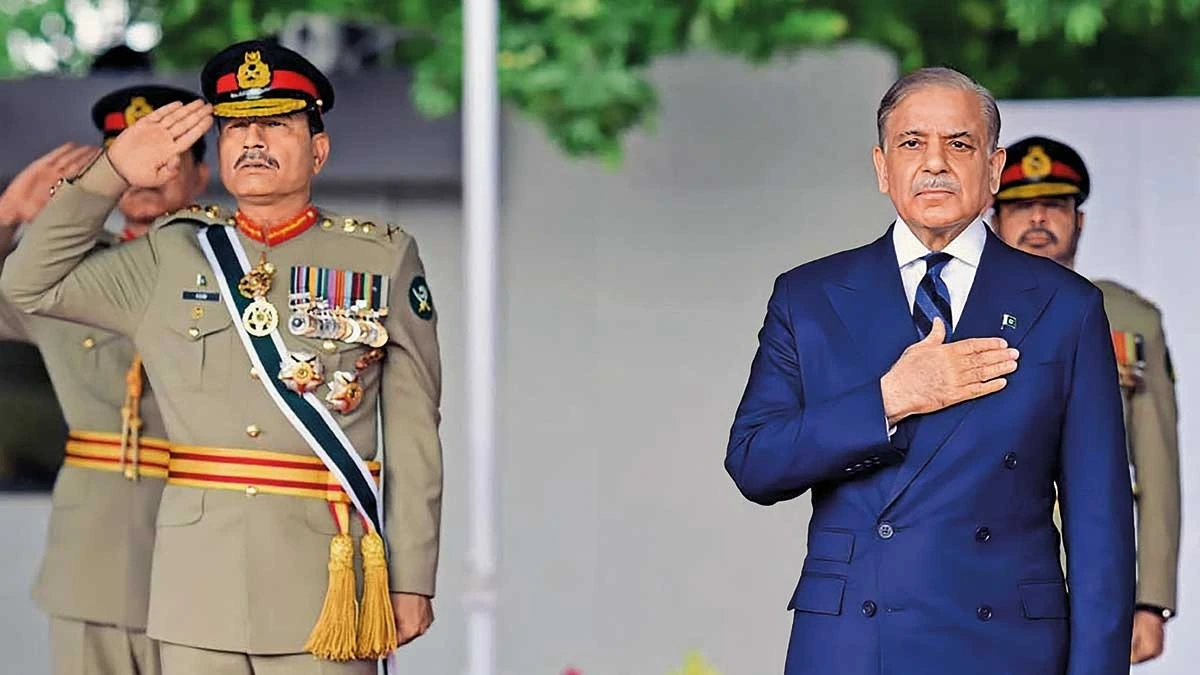
PM Acknowledges Field Marshal Asim Munir’s Support in Implementing Economic Reforms Amid IMF Approval
If you are following Pakistan’s economic trajectory, you will notice a significant milestone this week: the International Monetary Fund (IMF) has approved a $1.2 billion disbursement for Pakistan. Prime Minister Shehbaz Sharif has attributed this achievement not only to his economic team but also to the pivotal role played by Field Marshal Syed Asim Munir, recently appointed as Chief of Defence Forces (CDF).
In a statement from the Prime Minister’s Office, the PM emphasized that Pakistan’s reform progress, especially under tough global economic conditions, is the result of consistent coordination, disciplined execution, and unified state effort. He highlighted the contribution of Finance Minister Muhammad Aurangzeb and the broader economic management team.
However, the Prime Minister made it clear that Field Marshal Asim Munir’s involvement was instrumental, stating:
“Field Marshal Syed Asim Munir played a key role in implementing the reform agenda and paving the way for Pakistan’s economic development.”
Why This Matters to You
If you are a business owner, taxpayer, investor, or simply a citizen concerned about Pakistan’s stability, this development signals several important outcomes:
- Improved macroeconomic stability
- Strengthened investor confidence both local and international
- Greater support from global financial institutions
- Clear direction toward digitisation and governance reforms
The PM noted that Pakistan’s reform strategy and digitisation initiatives are now being recognized globally as examples of resilience and modern governance.
Details of the IMF Approval
The IMF Executive Board approved the disbursement under two crucial facilities:
- Extended Fund Facility (EFF): ~ $1 billion
- Resilience and Sustainability Facility (RSF): ~ $200 million
This combined $1.2 billion inflow is expected to:
- Strengthen Pakistan’s foreign exchange reserves
- Support fiscal consolidation
- Encourage private-sector-led growth
- Ease immediate external financing pressures
What the IMF Says
Following the Board meeting, Nigel Clarke, Deputy Managing Director and Acting Chair of the IMF, underscored Pakistan’s progress:
“Pakistan’s reform implementation under the EFF arrangement has helped preserve macroeconomic stability despite recent external shocks.”
He further noted:
- GDP growth has improved
- Inflation expectations are stabilizing
- Fiscal and external imbalances are moderating
However, he cautioned that Pakistan must maintain prudent macroeconomic policies to ensure long-term stability and accelerate structural reforms, especially those that strengthen private-sector productivity.
Broader Implications for Pakistan
To help you understand the long-term benefits, here are the mandatory elements explaining the wider impact:
1. Reinforced Confidence in Pakistan’s Leadership
With both civilian and military leadership working in alignment, Pakistan is projecting unity and credibility, critical for global financial support.
2. A Clear Roadmap for Economic Modernisation
Pakistan’s digitisation drive, tax reforms, governance improvements, and restructuring of state-owned enterprises are gaining global recognition.
3. Better Prospects for the Business Community
You can expect enhanced:
- Market stability
- Policy consistency
- Digital governance for easier compliance
- Increased foreign investment inflows
4. Long-Term Growth Reliant on Private Sector Expansion
As you engage in business or investment, the IMF expects Pakistan to enable private-sector-led growth, which means more opportunities for entrepreneurs, exporters, and industrial players.