
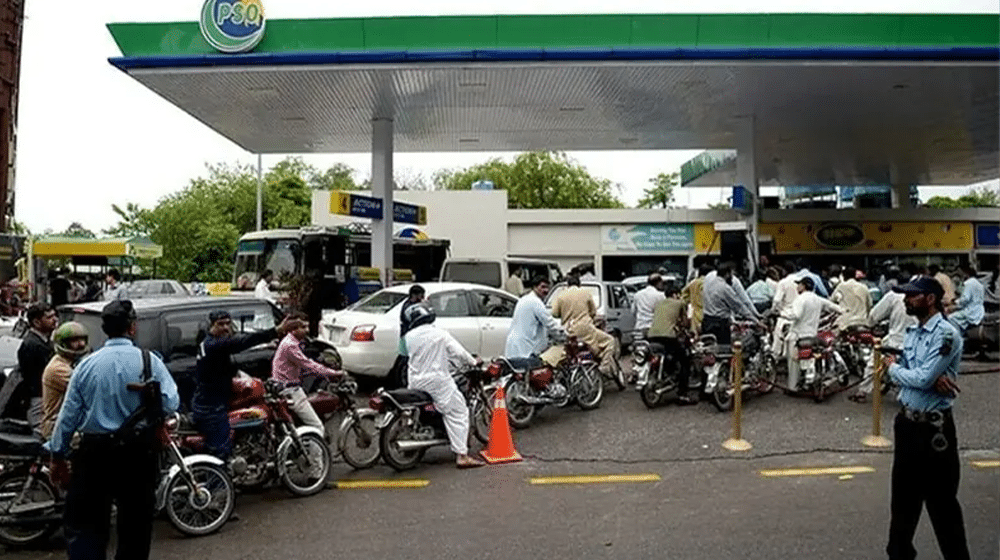
Petrol Price Hike: Govt Announces Shocking Fuel Increase
Pakistan’s federal government has implemented a dramatic increase in petrol prices by Rs. 55 per litre, bringing the new rate to Rs. 321.17 per litre, while high-speed diesel prices have surged to Rs. 335.86 per litre effective March 6, 2026.
⚡ Quick Summary
- Petrol price increased by Rs. 55 to Rs. 321.17 per litre
- High-speed diesel now costs Rs. 335.86 per litre
- Price hike effective immediately from March 6, 2026
- IMF pressure and Middle East tensions cited as key factors
## What Are Pakistan Petrol Price Increases?
Petrol price increases in Pakistan are defined as government-mandated adjustments to fuel costs that directly impact consumer purchasing power and transportation expenses. These price modifications are typically announced during late-night press conferences and take effect immediately, affecting millions of Pakistani citizens who rely on petroleum products for daily transportation and commercial activities.
## Latest Updates on Fuel Price Surge
The announcement was made during a joint press conference by Deputy Prime Minister Muhammad Ishaq Dar, Finance Minister Muhammad Aurangzeb, and Federal Petroleum Minister Ali Pervez Malik. This development significantly impacts the Pakistan Politics landscape as citizens grapple with rising living costs.
Prior to this latest increase, the government had already raised diesel prices to Rs. 280.86 per litre and motor spirit to Rs. 266.17 per litre just one week earlier. The petroleum levy on high-speed diesel has been strategically reduced from Rs. 76.21 per litre to Rs. 55.20 per litre to partially offset the price shock for consumers.
International commodity markets experienced significant turbulence due to escalating Middle East tensions, creating a ripple effect that directly influenced Pakistan’s fuel pricing strategy. The Economy & Business sector faces substantial challenges as transportation costs surge across all industries.
## How These Price Changes Affect Pakistani Citizens
The substantial petrol price increase creates a cascading effect throughout Pakistan’s economy, particularly impacting the Automobiles sector and daily commuters. Transportation costs for goods and services will inevitably rise, contributing to overall inflation across multiple sectors.
Small business owners, taxi drivers, and delivery services face immediate pressure to adjust their operational budgets or risk significant losses. The price surge affects both urban and rural communities, though rural areas may experience more severe impacts due to longer travel distances and limited public transportation alternatives.
Manufacturing and industrial sectors must recalculate production costs, potentially leading to increased prices for consumer goods. The agricultural sector, heavily dependent on diesel for machinery and transportation, faces particular challenges that could affect food pricing nationwide.
## Understanding IMF Conditions and Government Response
Pakistan’s agreement with the International Monetary Fund includes specific conditions regarding fuel subsidies and pricing mechanisms. The IMF’s stance requires immediate cost pass-through to consumers, eliminating government subsidies that previously cushioned price shocks.
This policy alignment with IMF requirements demonstrates Pakistan’s commitment to meeting international loan conditions, though it creates significant domestic economic pressure. The government’s decision to reduce petroleum levy rates represents an attempt to balance IMF demands with public welfare concerns.
## Current Fuel Price Breakdown
| Fuel Type | Previous Price (Rs/L) | New Price (Rs/L) | Increase |
|---|---|---|---|
| Motor Spirit (Petrol) | Rs. 266.17 | Rs. 321.17 | Rs. 55 |
| High-Speed Diesel | Rs. 280.86 | Rs. 335.86 | Rs. 55 |
The uniform Rs. 55 increase across both fuel types indicates a systematic approach to price adjustment rather than market-specific variations. This strategy suggests government calculations based on international crude oil prices and currency exchange rates.
## Regional and Global Market Influences
Middle East geopolitical tensions have created unprecedented volatility in global energy markets, directly affecting Pakistan’s fuel import costs. As Pakistan imports approximately 85% of its crude oil requirements, international price fluctuations immediately impact domestic pricing structures.
The Pakistan News landscape reflects growing concern about energy security and pricing sustainability. Regional conflicts affecting major oil-producing nations create supply chain uncertainties that translate into higher costs for importing countries like Pakistan.
Currency depreciation against the US dollar further compounds the challenge, as petroleum products are typically purchased using international currencies. This dual pressure from commodity prices and exchange rates creates a complex pricing environment for government policymakers.
📚 Related Articles You May Like
## Frequently Asked Questions
**Why did the government increase petrol prices by Rs. 55 per litre?**
The government increased petrol prices due to rising international crude oil costs caused by Middle East tensions and IMF conditions requiring the elimination of fuel subsidies. These factors created pressure to pass increased costs directly to consumers.
**When do the new petrol prices take effect?**
The revised petrol prices became effective immediately on Saturday, March 6, 2026, following the late Friday night announcement by government officials.
**How often does Pakistan adjust fuel prices?**
Pakistan typically reviews and adjusts fuel prices fortnightly, though emergency revisions can occur based on significant international market fluctuations or policy requirements.
**What is the petroleum levy reduction mentioned?**
The government reduced the petroleum levy on high-speed diesel from Rs. 76.21 per litre to Rs. 55.20 per litre to partially offset the price increase burden on consumers.
**How do these price increases compare to previous hikes?**
This represents the second major fuel price increase within a single week, indicating unprecedented volatility. The Rs. 55 per litre increase is among the highest single adjustments in recent Pakistani fuel pricing history.
## Conclusion and Next Steps
The dramatic petrol price increase represents a significant shift in Pakistan’s energy policy, aligning with international monetary requirements while creating substantial economic pressure on citizens. As Pakistan navigates IMF conditions and global market volatility, consumers must adapt to higher transportation and energy costs.
Citizens should monitor official government announcements for future price adjustments and consider energy conservation strategies to manage increased costs. The Technology News sector may see increased interest in fuel-efficient solutions and alternative energy options as Pakistan addresses its energy challenges.
Stay informed about the latest developments in Pakistan’s fuel pricing and economic policies by following our comprehensive coverage of national and international factors affecting Pakistani consumers.