
Kuwait Cuts Oil Production as Iran War Chokes the Strait of Hormuz
Kuwait Acts to Protect Energy Infrastructure
Kuwait has implemented a precautionary reduction in crude oil production and refining throughput after ongoing Iranian attacks against the country and the effective closure of the Strait of Hormuz. Kuwait Petroleum Corporation (KPC) emphasised that the adjustment is strictly precautionary and will be reviewed as the situation develops, adding that it remains fully prepared to restore production levels once conditions allow.
KPC’s Official Statement
KPC stated: “In light of the ongoing aggression by the Islamic Republic of Iran against the State of Kuwait, including Iranian threats against safe passage of ships through the Strait of Hormuz, KPC has implemented a precautionary reduction in crude oil production and refining throughput as part of its risk management and business continuity strategy.”
How Much Has Been Cut?
KPC did not disclose the volume of the output reduction, describing the step as strictly precautionary that will be reviewed as the situation develops. Kuwait is the fifth-largest oil producer in OPEC, pumping approximately 2.6 million barrels per day in February.
Force Majeure Declared
KPC declared force majeure, citing explicit Iranian threats against safe passage through the Strait of Hormuz, continuing attacks on Kuwait, and what it described as the “almost total absence” of vessels available within the Arabian Gulf to ship crude oil and products.
The Strait of Hormuz — A Global Chokepoint
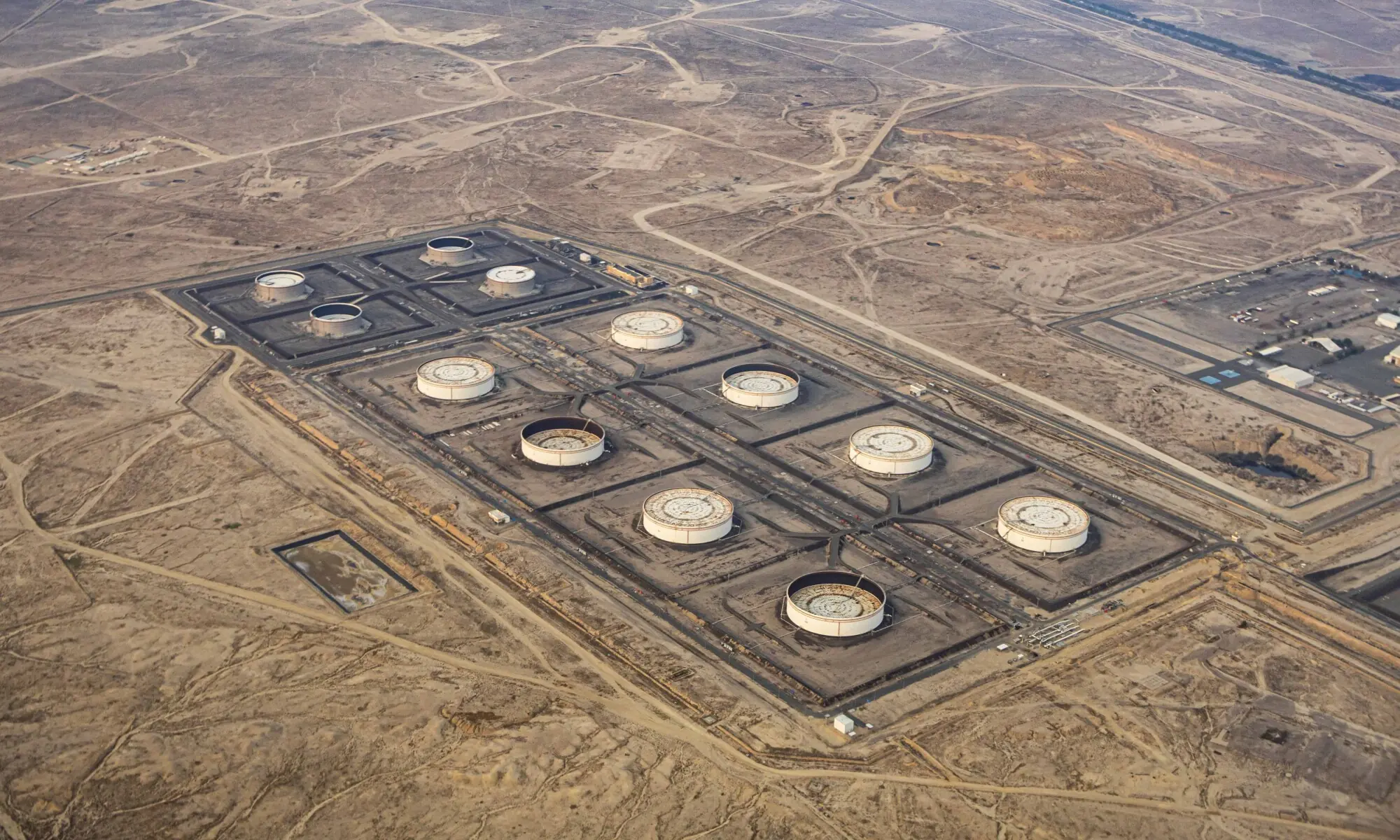
Tankers have stopped transiting the critical Strait of Hormuz as ship owners fear their vessels will be attacked by Iran. The narrow waterway is the only route in or out of the Persian Gulf, and roughly 20% of global oil consumption passes through it. With nowhere for oil barrels to go, storage facilities across the Gulf are rapidly filling — forcing producers to cut output.
Regional Domino Effect on Energy Markets
Kuwait is far from alone. The Iran war has triggered a sweeping energy crisis across the Gulf:
- Iraq has already cut 1.5 million barrels per day as it runs out of storage space.
- Qatar shut down liquefied natural gas production following Iranian attacks — a major blow, as Qatar accounts for roughly 20% of global LNG exports.
- Analysts predict UAE and Saudi Arabia will also be forced to cut output soon as their storage facilities fill up.
Oil Prices Surge to Alarming Levels
Brent crude surged more than 9% on Friday, topping $93 a barrel — its highest level since autumn 2023. Overall, oil prices have surged approximately 35% this week as the Iran war has triggered a major disruption of global energy supplies.
Experts Warn of Catastrophic Economic Fallout
Qatar’s Energy Minister Saad al-Kaabi warned that he expects all Gulf oil and gas exporters to halt production within days if the war continues, cautioning that oil could reach $150 a barrel — a level that could “bring down the economies of the world.”
JPMorgan’s head of global commodities research, Natasha Kaneva, told clients that the market is shifting from pricing pure geopolitical risk to grappling with tangible operational disruption.