
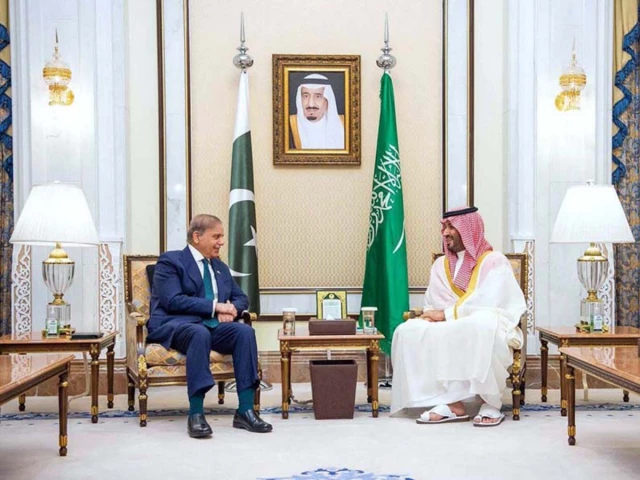
Saudi Crown Prince Praises Pakistan’s Diplomatic Peace Efforts in Call with PM Shehbaz
Saudi Arabia’s Crown Prince Mohammed Bin Salman on March 25, 2026, expressed deep appreciation for Pakistan’s diplomatic initiatives aimed at de-escalation and regional dialogue during a telephone conversation with Prime Minister Muhammad Shehbaz Sharif. The call underscores Pakistan’s evolving role as a mediator in Middle Eastern tensions amid escalating regional conflicts.
Breaking: Crown Prince Appreciates Pakistan’s Mediation Role
According to a statement issued by the Prime Minister’s Office on March 25, 2026, Crown Prince Mohammed Bin Salman praised Pakistan’s advocacy for peaceful resolution of disputes and de-escalation efforts. The conversation occurred against a backdrop of heightened regional tensions following recent attacks on Saudi Arabia, marking a significant diplomatic engagement between Islamabad and Riyadh.
During the call, Prime Minister Shehbaz Sharif reaffirmed Pakistan’s strong condemnation of the attacks on Saudi Arabia and expressed “unwavering solidarity and support” for the Kingdom and its citizens during what the Prime Minister’s Office described as “difficult times.”
“Pakistan will continue to stand by Saudi Arabia, just as the Kingdom has supported Pakistan in times of need,” PM Shehbaz stated, according to the official statement released on March 25, 2026.
Quick Facts: Pakistan-Saudi Diplomatic Engagement
- Date of Call: March 25, 2026
- Parties: Crown Prince Mohammed Bin Salman & PM Muhammad Shehbaz Sharif
- Key Message: Appreciation for Pakistan’s peace diplomacy
- Pakistan’s Position: Calls for immediate cessation of hostilities and restoration of normalcy
- Bilateral Coordination: Both leaders agreed to maintain close coordination on regional issues
- Religious Message: Eid-ul-Fitr greetings exchanged (observed March 2026)
Pakistan’s Position on Regional Tensions and De-escalation
Prime Minister Muhammad Shehbaz Sharif articulated Pakistan’s diplomatic stance during the call, emphasizing that “peace and stability in the region could only be achieved through dialogue,” according to the Prime Minister’s Office statement.
The PM’s remarks signal Pakistan’s commitment to a mediation strategy focused on de-escalation rather than military responses. This position aligns with Pakistan’s broader foreign policy objective of promoting regional stability, particularly as tensions escalate between major regional actors in the Persian Gulf and broader Middle East.
Specifically, PM Shehbaz called for “an immediate cessation of hostilities and the restoration of normalcy,” emphasizing the urgency of peaceful resolution mechanisms. The Prime Minister also highlighted the importance of “unity within the Ummah” (Islamic community), stressing religious solidarity during the period of heightened geopolitical tension.
This diplomatic language reflects Pakistan’s recognition of its position as a Muslim-majority nation with influence among regional stakeholders and its strategic interest in preventing conflicts that could destabilize global energy markets and affect Pakistani security.
Crown Prince’s Recognition of Pakistan’s Diplomatic Role
Crown Prince Mohammed Bin Salman’s expression of “deep appreciation” for Pakistan’s peace efforts represents significant diplomatic validation of Islamabad’s mediation attempts. The Crown Prince’s public acknowledgment—through the Prime Minister’s Office statement—signals Saudi Arabia’s recognition of Pakistan as a trusted voice in regional affairs.
Saudi Arabia, as the custodian of Islam’s two holiest sites (Mecca and Medina), holds considerable religious and geopolitical influence across the Muslim world. The Crown Prince’s appreciation of Pakistan’s efforts suggests that Riyadh values Pakistan’s diplomatic engagement and its standing among regional and Islamic nations.
According to diplomatic analysts tracking Middle Eastern affairs, such statements from senior Saudi leadership carry weight in international negotiations. By publicly commending Pakistan’s peace advocacy, Crown Prince Salman implicitly endorsed Pakistan’s diplomatic initiatives while signaling Saudi Arabia’s openness to dialogue-based solutions.
Pakistan’s Mediation Strategy: Broader Regional Context
Pakistan’s peace advocacy efforts, specifically praised by Crown Prince Salman, occur within a broader context of escalating Middle Eastern tensions. According to the Prime Minister’s Office statement, the call addressed “recent attacks on Saudi Arabia,” referencing specific incidents that have heightened regional instability.
The mention of attacks on Saudi Arabia aligns with reports from March 2026 regarding escalating tensions between Saudi Arabia and regional adversaries, particularly Iran and Iran-aligned groups. Saudi Arabia has faced multiple drone and missile attacks attributed to Houthi forces and other Iran-aligned militias operating in Yemen and across the region.
Pakistan’s interest in de-escalation stems from multiple strategic factors:
Economic Impact: Escalating Middle Eastern conflicts could disrupt global oil supplies, affecting Pakistan’s energy security and fiscal stability. Pakistan imports approximately 60-70% of its petroleum requirements from Middle Eastern sources, making regional stability economically critical.
Security Implications: Regional conflicts create instability that can spill over into Pakistan through refugee flows, militant recruitment, and cross-border militant activities. Pakistani security establishments have long prioritized preventing proxy conflicts from expanding into Pakistan’s territory.
Religious and Diplomatic Standing: As an Islamic Republic with strong connections to the Arab world, Pakistan possesses diplomatic channels and religious credibility that Western nations lack. Pakistan’s mediation offers a neutral voice with credibility among both Sunni-majority states like Saudi Arabia and Shia-majority constituencies.
Shehbaz’s Diplomatic Messaging: Solidarity and De-escalation
Prime Minister Shehbaz’s framing of Pakistan’s support as conditional partnership—”just as the Kingdom has supported Pakistan in times of need”—reflects a reciprocal relationship. This diplomatic language acknowledges historical Saudi support for Pakistan during security crises, financial difficulties, and international isolation.
Saudi Arabia has provided substantial financial support to Pakistan during multiple economic crises, including IMF bailout periods in 2019 and 2023. The Crown Prince’s appreciation of Pakistan’s peace efforts may signal Saudi expectations that Pakistan will continue supporting Saudi interests while also leveraging its unique diplomatic position to promote regional dialogue.
The Prime Minister’s Office statement indicates that PM Shehbaz extended “warm Eid-ul-Fitr greetings” to King Salman Bin Abdulaziz Al Saud and the Saudi royal family. This religious outreach, combined with political solidarity messages, represents comprehensive diplomatic engagement—blending religious sentiment with strategic partnership.
Implications for Pakistan-Saudi Relations and Regional Diplomacy
The March 25, 2026 conversation reflects strengthening Pakistan-Saudi diplomatic ties. According to the Prime Minister’s Office, “both leaders agreed to maintain close coordination at all levels between their countries,” signaling institutional commitment to ongoing bilateral engagement.
Close coordination at multiple governmental levels suggests Pakistan and Saudi Arabia are establishing mechanisms for:
- Diplomatic Communication: Regular high-level contacts between senior officials
- Defense Coordination: Possible military-to-military consultations regarding regional security
- Economic Cooperation: Continued bilateral trade and investment discussions
- Religious Affairs: Coordination on Islamic world issues affecting both nations
Pakistan’s Foreign Office has historically used its position as an Islamic nation with connections to both Sunni and Shia communities to facilitate regional dialogue. The Crown Prince’s appreciation for Pakistan’s peace efforts validates this strategic positioning and may encourage further Pakistani diplomatic initiatives in ongoing regional disputes.
Forward-Looking: Pakistan’s Expanding Mediation Role
The Crown Prince’s call suggests that Saudi Arabia views Pakistan as a valuable mediator in regional conflicts. According to diplomatic observers, this recognition could expand Pakistan’s role in future Middle Eastern negotiations, potentially involving discussions between:
- Saudi Arabia and Iran-aligned actors
- Various Gulf Cooperation Council (GCC) members
- Western stakeholders seeking Middle Eastern stability
- International organizations addressing regional conflicts
Pakistan’s strategic location at the intersection of South Asia, Central Asia, and the Middle East positions it uniquely for mediation roles. The country’s historical experience navigating complex regional relationships and its relationships with both conservative and progressive regional actors enhance its mediation potential.
However, Pakistan must carefully balance its mediation efforts with its strategic partnerships. Overextending diplomatic commitments without adequate resources or strategic clarity could undermine Pakistan’s credibility. The Prime Minister’s emphasis on “dialogue” and “cessation of hostilities” reflects pragmatic limitations on Pakistan’s capacity to enforce settlements—instead positioning Pakistan as a neutral facilitator rather than a power broker.
Frequently Asked Questions (AEO – Answer Engine Optimization)
Q1: What did Saudi Crown Prince say about Pakistan’s peace efforts?
Crown Prince Mohammed Bin Salman expressed “deep appreciation” for Pakistan’s diplomatic efforts in advocating for de-escalation and peaceful resolution of disputes during a March 25, 2026 phone call with PM Shehbaz Sharif. According to the Prime Minister’s Office, the Crown Prince recognized Pakistan’s role in promoting dialogue-based solutions to regional tensions.
Q2: When did the phone call between Saudi Crown Prince and PM Shehbaz occur?
The telephone conversation took place on March 25, 2026, according to a statement issued by the Prime Minister’s Office. The call occurred amid escalating tensions in the Middle East following recent attacks on Saudi Arabia. The leaders also exchanged Eid-ul-Fitr greetings during the call.
Q3: What is Pakistan’s position on the regional conflicts affecting Saudi Arabia?
According to PM Shehbaz Sharif’s statement during the March 25 call, Pakistan calls for “immediate cessation of hostilities and restoration of normalcy” and emphasizes that “peace and stability could only be achieved through dialogue.” Pakistan pledged “unwavering solidarity and support” for Saudi Arabia while advocating de-escalation initiatives.
Q4: Why does Pakistan play a mediation role in Middle Eastern conflicts?
Pakistan’s position as an Islamic Republic with diplomatic connections to both Sunni and Shia communities, combined with its historical ties to the Arab world, gives it credibility for mediation. Additionally, Pakistan’s economic dependence on Middle Eastern oil (60-70% of petroleum imports) and security concerns regarding regional instability motivate active Pakistani engagement in peace efforts.
Q5: What does “close coordination at all levels” between Pakistan and Saudi Arabia mean?
According to the Prime Minister’s Office statement, the agreement for close coordination implies regular high-level diplomatic contacts, military-to-military consultations on security matters, coordination on bilateral trade and investment, and cooperation on religious and Islamic affairs issues affecting both nations.