
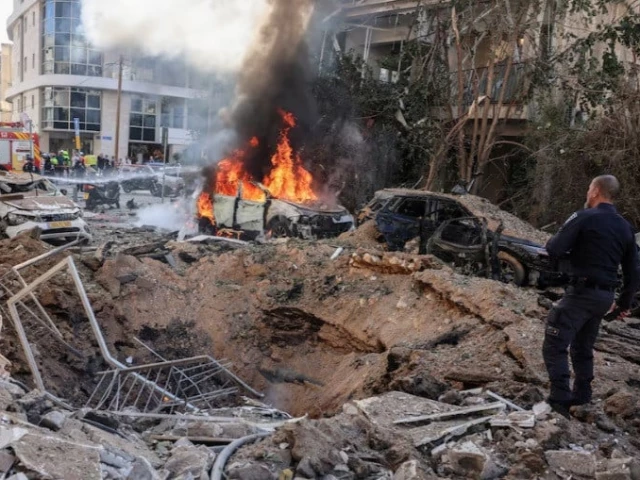
Trump Sends Iran Peace Plan as Strait of Hormuz Reopens to Non-Hostile Ships
US President Donald Trump sent a 15-point peace plan to Iran through Pakistan on March 25, 2026, as Tehran announced it would reopen the Strait of Hormuz to non-hostile oil vessels — triggering a near 6% drop in global crude oil prices within hours. The breakthrough comes after nearly a month of US-Israeli strikes on Iran that began on February 28, 2026, and sparked the worst energy crisis in decades.
Quick Facts
- Trump’s 15-point peace plan was delivered to Iran through Pakistan, per The New York Times
- Iran announced safe passage for non-hostile vessels through the Strait of Hormuz on March 25, 2026
- Benchmark crude oil dropped close to 6% following the announcement
- The US is still deploying 3,000 troops from the 82nd Airborne Division to the Middle East, per The Wall Street Journal
- The war began February 28, 2026, when the US and Israel jointly struck Iran, killing Supreme Leader Ayatollah Ali Khamenei on day one
What Did Trump Propose to Iran?
Speaking from the Oval Office on March 25, 2026, President Trump confirmed that the United States was “in negotiations right now” with Iran and that he had sent a formal peace plan. “It all starts with — they cannot have a nuclear weapon,” Trump told reporters, without elaborating on the full terms.
Israel’s Channel 12 reported that the plan proposes a one-month ceasefire during which Iran would hand over its enriched uranium stockpiles and permanently ban further enrichment. In exchange, Iran would receive a full lifting of all US sanctions — in place in various forms for years — and international assistance in developing civilian nuclear energy at the Bushehr nuclear facility.
According to The New York Times, citing unnamed US officials, the plan was transmitted to Tehran through Islamabad — confirming Prime Minister Shehbaz Sharif’s earlier offer to host US-Iran negotiations, as reported by The Express Tribune.
Why Is the Strait of Hormuz So Critical?
The Strait of Hormuz is the world’s single most important oil shipping chokepoint — one-fifth of global oil supply passes through it daily. Iran largely blockaded the strait in retaliation for US and Israeli strikes, sending energy prices to multi-year highs worldwide.
For Pakistan, the impact was immediate and severe. The government has already spent over PKR 100 billion absorbing fuel price differentials to shield consumers from international price spikes. You can read how the crisis pushed Islamabad to the edge in our earlier report on why Pakistan may be forced to end its petrol and diesel price freeze.
Iran’s March 25 message to the International Maritime Organisation confirmed safe passage for non-hostile vessels — and crude benchmarks responded immediately, dropping close to 6% within the same trading session.
Diplomacy and Military Moves Running in Parallel
Despite Trump’s optimism, diplomacy is not slowing military preparations. The Wall Street Journal reported on March 25 that the United States is deploying 3,000 soldiers from the elite 82nd Airborne Division to the Middle East — even as negotiations proceed.
Israel’s military spokesman Effie Defrin stated plainly that Israel’s war plan was “unchanged” and that it would continue to “deepen the damage and remove existential threats,” per AFP. Israeli forces struck Iran again with a “large wave” of airstrikes on Tuesday and simultaneously pushed into southern Lebanon, warning Hezbollah strongholds in Beirut’s southern suburbs to evacuate ahead of imminent strikes.
Lebanon has now seen at least 1,072 people killed and over one million displaced since Hezbollah began firing rockets at Israel on March 2, 2026, according to Lebanese authorities cited by AFP. Kuwait also reported a fire at its main airport after Iranian drones struck a fuel storage tank.
Pakistan’s Role in the Peace Process
Pakistan’s emergence as the diplomatic channel between Washington and Tehran is a significant foreign policy moment for Islamabad. The New York Times confirmed Pakistan as the intermediary through which Trump’s 15-point plan was transmitted to Iran — a role Prime Minister Shehbaz Sharif actively sought when he publicly offered to host US-Iran talks earlier this week.
Trump confirmed negotiations involved top US officials including Vice President JD Vance. He was deliberately vague about what Iran had offered in return, saying only: “They gave us a present and the present arrived today. That meant one thing to me — we’re dealing with the right people.”
What Comes Next
The proposed one-month ceasefire, if accepted, would freeze active combat while both sides negotiate the nuclear deal’s final terms. Iran has not officially confirmed receiving or accepting the 15-point plan as of March 25, 2026. Iran also denied Trump’s claim that formal negotiations were underway, calling it inaccurate.
Analysts note that the 3,000-troop deployment alongside diplomatic overtures signals Washington is pursuing maximum pressure and negotiation simultaneously — the same dual-track strategy Trump used in his first term. Whether Tehran accepts the terms before the extended US deadline — now set for late March 30 — will determine if the war enters a ceasefire phase or escalates further.
Frequently Asked Questions
Q: What is Trump’s peace plan for Iran? A: Trump sent a 15-point plan to Iran through Pakistan on March 25, 2026. It proposes a one-month ceasefire in which Iran hands over enriched uranium and bans further nuclear enrichment. In return, Iran receives full sanctions relief and civilian nuclear energy assistance at the Bushehr facility, per Israel’s Channel 12 and The New York Times.
Q: Has the Strait of Hormuz reopened? A: Partially. Iran announced on March 25, 2026 that non-hostile oil vessels may pass through the Strait of Hormuz safely. The announcement was communicated through the International Maritime Organisation. Many shipping companies remain cautious as insurance risk assessments have not yet been updated.
Q: How did oil prices react to the Strait of Hormuz news? A: Global benchmark crude oil dropped close to 6% on March 25, 2026, following Iran’s announcement of safe passage for non-hostile vessels and confirmation of US-Iran negotiations. Prices at the pump in the United States had already become a significant political liability for Trump.
Q: What is Pakistan’s role in Iran-US peace talks? A: Pakistan’s Prime Minister Shehbaz Sharif offered to host US-Iran negotiations and has served as the diplomatic intermediary. The New York Times confirmed the US transmitted its 15-point peace plan to Iran through Pakistan. Trump acknowledged the talks involved top officials including Vice President JD Vance.
Q: Is the Iran-Israel war over? A: No. As of March 25, 2026, active fighting continues on multiple fronts. Israel struck Iran with a new wave of airstrikes on Tuesday, pushed into southern Lebanon, and warned Beirut’s southern suburbs to evacuate. The US is also deploying 3,000 additional troops from the 82nd Airborne Division to the region, per The Wall Street Journal, despite ongoing peace talks.