11
11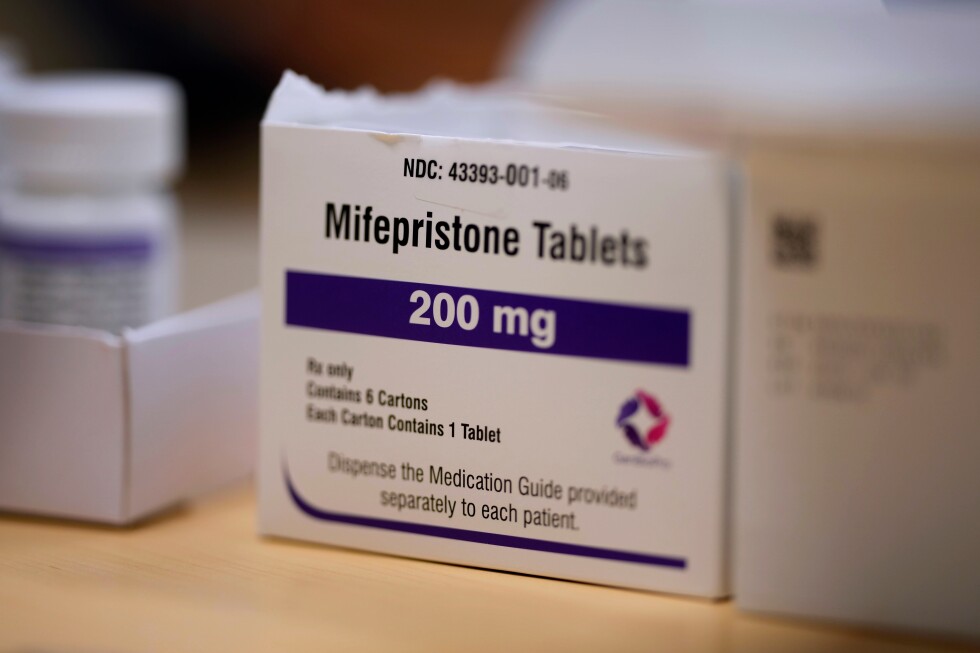
California Governor Gavin Newsom announced his decision to block Louisiana’s abortion pill extradition attempt against a Bay Area doctor on Wednesday, citing state protections for reproductive healthcare providers. This high-profile case highlights the growing interstate legal battles over abortion access following recent legislative changes across the United States.
The abortion pill extradition case is defined as Louisiana’s legal attempt to bring California-based physician Dr. Remy Coeytaux to face criminal charges for allegedly mailing abortion-inducing medications across state lines. This interstate legal dispute represents the first major test of California’s protective laws against other states’ restrictive abortion legislation since 2022.
Governor Newsom’s announcement on Wednesday followed Louisiana Governor Jeff Landry’s extradition paperwork submission on Tuesday. The Republican governor had declared his intention to bring the physician “to justice” under Louisiana’s criminal abortion laws.
The Democratic California governor responded decisively, stating: “We will not allow extremist politicians from other states to reach into California and try to punish doctors based on allegations that they provided reproductive health care services.” This marks a significant escalation in interstate tensions over abortion access.
Dr. Coeytaux, practicing in the San Francisco Bay Area, has not responded to media requests for comment regarding the extradition attempts. Louisiana’s governor office similarly declined to provide immediate responses to California’s blocking announcement.
California’s protective framework operates through a comprehensive 2022 executive order that specifically prohibits state agencies from cooperating with other states’ prosecutions of abortion providers. This legislation creates a legal sanctuary system for healthcare professionals treating out-of-state patients seeking reproductive services.
The protection mechanism works by blocking extradition requests, preventing information sharing with prosecuting states, and shielding medical records from external legal proceedings. California law enforcement agencies are explicitly forbidden from assisting investigations targeting abortion-related healthcare services.
Similar protection laws have been implemented across multiple states, creating a patchwork of conflicting jurisdictions that complicate interstate law enforcement efforts. These legal frameworks directly counter restrictive legislation in states like Louisiana, which maintains some of the nation’s strictest anti-abortion statutes.
This extradition case significantly affects both medical professionals and patients seeking reproductive healthcare across state boundaries. Healthcare providers now face potential criminal prosecution in restrictive states while operating legally within protective jurisdictions like California.
The standoff creates uncertainty for patients from restrictive states who rely on telemedicine consultations and mail-order medications from providers in protective states. Medical professionals must navigate conflicting state laws while maintaining patient care standards and avoiding criminal liability.
Legal experts predict this case will establish precedents affecting thousands of healthcare providers nationwide who serve patients across state lines. The outcome could influence future interstate cooperation agreements and federal oversight of reproductive healthcare services.
| State | Abortion Laws | Provider Protections | Interstate Cooperation |
|---|---|---|---|
| California | Full Legal Access | Strong Sanctuary Laws | Blocks Extraditions |
| Louisiana | Near-Total Ban | Criminal Penalties | Active Prosecutions |
2022: Governor Newsom signs executive order protecting abortion providers from out-of-state prosecutions and establishing California as a sanctuary state for reproductive healthcare.
Tuesday: Louisiana Governor Jeff Landry submits extradition paperwork targeting Dr. Remy Coeytaux, announcing intentions to prosecute the physician under state anti-abortion laws.
Wednesday: Governor Newsom announces California’s refusal to cooperate with Louisiana’s extradition request, citing state protective legislation and constitutional principles.
This developing situation continues evolving as both states maintain firm positions on their respective legal frameworks. Future court challenges may ultimately require federal intervention to resolve jurisdictional conflicts.
Dr. Coeytaux faces criminal charges for “abortion by means of abortion-inducing drugs” under Louisiana law, which carries potential penalties of up to 50 years in prison if convicted.
Louisiana cannot force extradition due to California’s 2022 executive order specifically prohibiting state cooperation with other states’ prosecutions of abortion providers. This creates a legal standoff between conflicting state jurisdictions.
Interstate extradition traditionally requires cooperation between states, but sanctuary laws in protective states like California override these agreements for abortion-related cases, creating unprecedented legal conflicts.
This case could establish important precedents regarding state sanctuary laws’ effectiveness against interstate prosecutions and may influence federal oversight of reproductive healthcare access nationwide.
While this represents the first high-profile extradition case, legal experts expect additional interstate prosecutions as restrictive states target healthcare providers in sanctuary jurisdictions serving their residents.
The abortion pill extradition standoff between California and Louisiana represents a pivotal moment in interstate legal relations and reproductive healthcare access. Governor Newsom’s decisive rejection of Louisiana’s extradition request demonstrates California’s commitment to protecting healthcare providers under its sanctuary laws.
This case will likely influence future interstate cooperation agreements and may require federal court intervention to resolve jurisdictional conflicts. Healthcare providers and patients must navigate increasingly complex legal landscapes as states maintain opposing positions on reproductive rights.
Stay informed about developing legal cases and interstate policy changes by following our comprehensive coverage of United States News and related political developments. Source: AP News US