
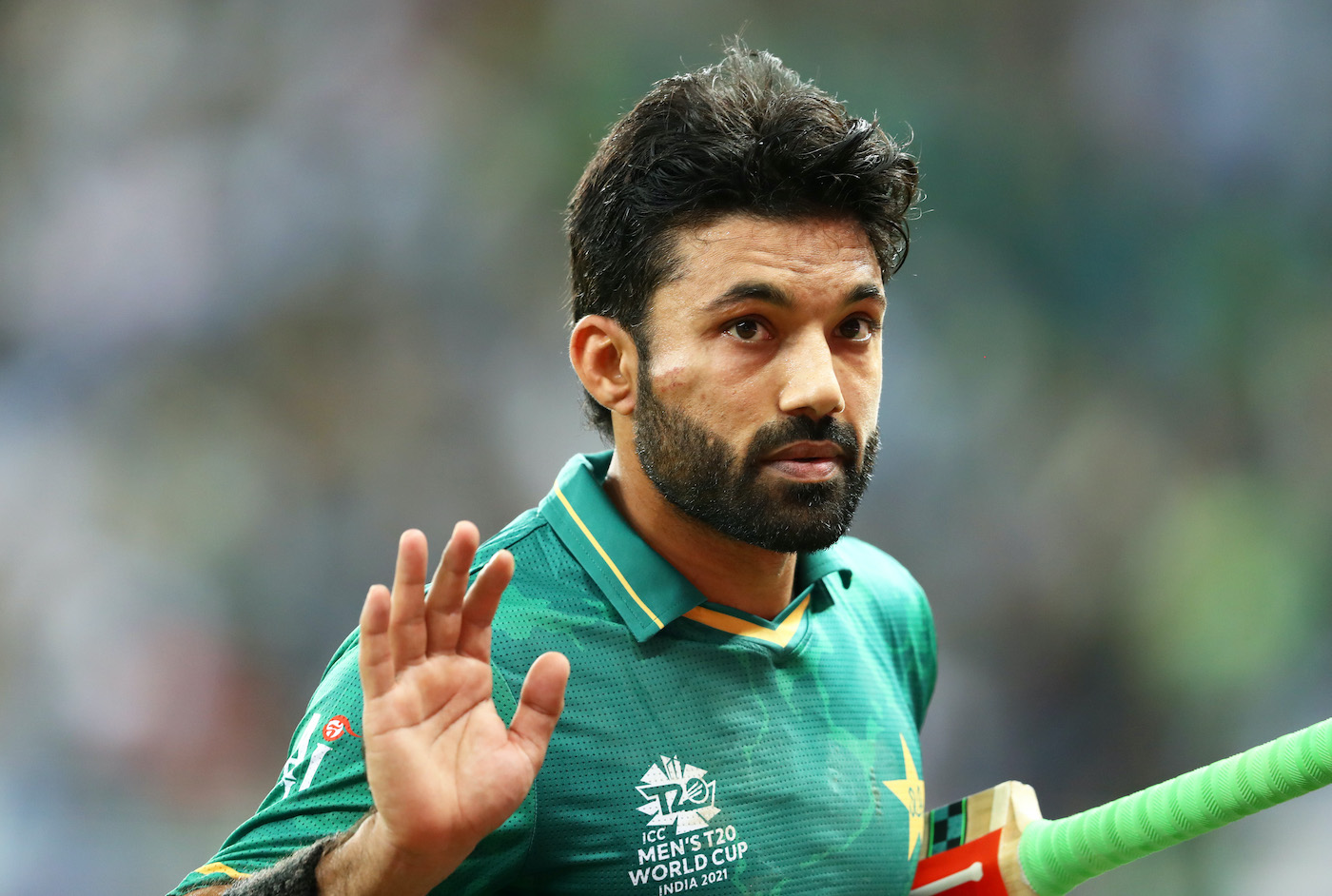
Mohammad Rizwan Dropped Pakistan Bold T20 Strategy Shift Under Mike Hesson
In a move that has sent shockwaves through the cricket world, Mohammad Rizwan has been excluded from Pakistan’s squad, marking the end of an era for one of international cricket’s most successful opening partnerships. The decision by coach Mike Hesson signals a dramatic strategic shift in Pakistan’s approach to T20 cricket.
The End of an Era
Mohammad Rizwan’s omission from the squad represents far more than just a selection decision. It marks the potential end of the celebrated Babar-Rizwan opening partnership that has been the cornerstone of Pakistan’s white-ball cricket for years. The duo had formed one of the most consistent and prolific partnerships in T20 international cricket, becoming synonymous with Pakistan’s batting success.
Rizwan, who previously served as Pakistan’s white-ball captain, has been a mainstay in the national setup. His exclusion comes as a surprise given his impressive track record, leadership credentials, and the reliability he brought to the top of the order. For many fans and analysts, seeing Rizwan’s name absent from the squad list seemed almost unthinkable just months ago.
Mike Hesson’s Vision for Aggressive Cricket
The decision to drop Rizwan appears to be a clear statement from head coach Mike Hesson about the direction he wants Pakistan’s T20 cricket to take. The New Zealand-born coach, known for his analytical approach and strategic thinking, is evidently prioritizing a more aggressive brand of T20 cricket over the traditional stability that the Babar-Rizwan partnership provided.
Hesson’s philosophy represents a shift away from the accumulator style that characterized Pakistan’s recent T20 approach. While the Babar-Rizwan partnership consistently provided solid starts, critics often pointed to their strike rates as a limiting factor in Pakistan’s ability to post or chase big totals in the modern T20 game.
The coach appears to be betting on explosive batting from the outset, aligning with the global trend in T20 cricket where teams increasingly favor aggressive intent over cautious accumulation. This approach has been successfully implemented by teams like England and Australia, who have revolutionized white-ball cricket with their fearless batting strategies.
Strategic Implications
Rizwan’s exclusion raises several important questions about Pakistan’s T20 future. Who will open the batting? How will the wicketkeeping duties be distributed? And perhaps most importantly, can the new approach deliver better results than the tried-and-tested Babar-Rizwan formula?
The decision suggests that the team management is willing to sacrifice experience and proven success in pursuit of a faster-scoring approach. This gamble could either propel Pakistan to new heights in T20 cricket or backfire if the aggressive strategy fails to deliver consistent results.
From a tactical standpoint, Hesson seems to be building a squad that can compete with the high-scoring nature of modern T20 cricket. Recent tournaments have shown that teams regularly posting scores above 200 or chasing down mammoth totals have an edge. Pakistan’s traditional approach, while effective in winning matches, may not have been explosive enough to dominate consistently against top-tier opposition.
Rizwan’s Legacy and Contributions
Despite his current exclusion, Mohammad Rizwan’s contributions to Pakistan cricket cannot be understated. As a wicketkeeper-batsman, he brought immense value to the team across all formats. His work ethic, fitness levels, and consistency made him one of the most dependable players in the squad.
Rizwan’s captaincy tenure, though brief, showcased his leadership abilities and tactical acumen. He led Pakistan with dignity and determination, always putting the team’s interests first. His partnership with Babar Azam produced numerous match-winning stands and helped Pakistan achieve significant victories on the global stage.
Fan Reactions and Controversy
The decision has sparked intense debate among Pakistan cricket fans and experts. Many supporters have expressed shock and disappointment at Rizwan’s omission, questioning whether such a drastic change was necessary. Social media platforms have been flooded with reactions, with some backing Hesson’s bold vision while others criticize the decision as too hasty.
Cricket analysts are divided on the move. Some believe that Pakistan needed this shake-up to compete with the evolving demands of T20 cricket, while others argue that discarding proven performers might create instability in the team.
What Lies Ahead
For Mohammad Rizwan, this exclusion could serve as a temporary setback or a permanent departure from certain formats. History has shown that form and fitness can bring players back into contention, and Rizwan’s professionalism suggests he’ll work harder to reclaim his spot.
For Pakistan cricket, the coming matches will reveal whether Mike Hesson’s aggressive strategy pays dividends. The success or failure of this new approach will ultimately determine if breaking up the famous Babar-Rizwan partnership was a masterstroke or a miscalculation.
Conclusion
Mohammad Rizwan’s shocking omission from the Pakistan squad represents a watershed moment in the team’s T20 journey. Coach Mike Hesson’s decision to prioritize aggressive cricket over established partnerships signals a bold new direction. While the famous Babar-Rizwan opening combination may have come to an end, only time will tell whether this strategic shift produces the results Pakistan cricket desperately seeks on the international stage.