
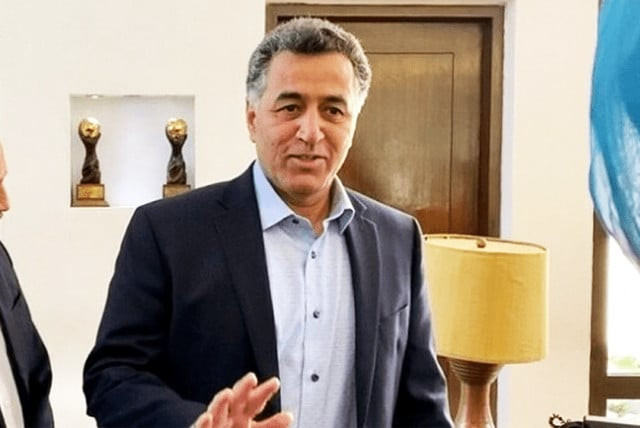
Faiz Hameed, Former ISI Chief, Gets 14-Year Jail Sentence from Military Court
If you’ve been following Pakistan’s recent military and political developments, this news is a major update. Former Inter-Services Intelligence (ISI) chief, Faiz Hameed, has been sentenced to 14 years of rigorous imprisonment by a Field General Court Martial (FGCM). Here’s a detailed breakdown of the case, what led to the sentence, and what it means for Pakistan’s security and governance landscape.
What Happened?
According to the Inter-Services Public Relations (ISPR), the Court Martial proceedings against Faiz Hameed began on August 12, 2024, under the Pakistan Army Act. The trial lasted 15 months, involving detailed legal scrutiny of multiple charges.
The former general was found guilty on all counts, and his sentence of 14 years rigorous imprisonment was officially implemented on December 11, 2025.
Charges Against Faiz Hameed
The ISPR statement highlighted four main charges:
- Engaging in political activities that violated military discipline
- Violating the Official Secrets Act in a manner deemed “detrimental to the safety and interest of the state”
- Misuse of authority and government resources
- Causing wrongful loss to individuals
In addition, ISPR noted that Hameed’s involvement in political agitation and instability is being addressed in separate proceedings, which are still under review.
Legal Proceedings and Rights
The ISPR emphasized that the Field General Court Martial complied with all legal provisions, ensuring:
- Hameed had full access to a legal defense team of his choice
- He retains the right to appeal the verdict before the relevant forum
This demonstrates that, despite the seriousness of the charges, due process under military law was observed.
About Faiz Hameed
Faiz Hameed is a retired three-star general of the Pakistan Army, with a distinguished military career spanning over three decades. Key positions he held include:
- Director General of ISI (June 2019 – 2021)
- Commander of Peshawar and Bahawalpur Corps
- Multiple senior operational and intelligence leadership roles
During his tenure, Hameed was a prominent figure in Pakistan’s military and intelligence circles, making this case particularly significant in the country’s security and governance context.
Understanding the Field General Court Martial
A Field General Court Martial (FGCM) is a high-level military tribunal constituted under the Pakistan Army Act. It is typically presided over by senior officers and is empowered to try serious offenses committed by serving or, in some cases, retired officers.
The FGCM’s involvement underscores the severity of the charges against Hameed, as well as the importance of maintaining military discipline and state security.
What This Means for You
If you’re wondering how this impacts ordinary citizens or the political climate:
- It reinforces accountability at the highest levels of Pakistan’s military and intelligence institutions.
- The ongoing investigation into political agitation may have implications for political stability in the coming months.
- The verdict signals strict enforcement of military discipline and state security laws, which can influence broader governance and policy trends.
Frequently Asked Questions (FAQs)
1. Can Faiz Hameed appeal his sentence?
Yes, he retains the right to appeal before the appropriate forum, as guaranteed under military law.
2. Why is this case significant?
Hameed was the former head of ISI, Pakistan’s premier intelligence agency. His conviction highlights accountability at the highest levels of military leadership.
3. What is a Field General Court Martial?
It’s a high-level military tribunal that tries serious offenses by serving or retired officers, with powers defined under the Pakistan Army Act.
4. Are there ongoing investigations related to Hameed?
Yes, ISPR noted separate matters concerning political agitation and instability, which are still being addressed.
Final Thoughts
This landmark case is not just about one individual; it’s a clear message on the enforcement of military discipline and the rule of law in Pakistan. Whether you’re following politics, security matters, or governance trends, understanding these developments is crucial.
By staying informed, you can better grasp how accountability and legal processes are shaping Pakistan’s institutional landscape.