
Utah Gambling Laws Challenge Kalshi Polymarket Platforms
Utah gambling ban faces federal challenge as Governor Spencer Cox prepares to sign legislation targeting prediction markets like Kalshi and Polymarket, marking a significant legal battle between state and federal authorities over digital wagering platforms.
⚡ Quick Summary
- Utah set to enact strict laws against prediction markets despite federal backing
- Kalshi already filed lawsuit challenging state’s anti-gambling legislation
- CFTC supports prediction platforms as legitimate financial markets
- Legal battle represents broader national debate over digital wagering classification
What Are Prediction Markets?
Prediction markets are defined as digital platforms where users can place monetary bets on future events, ranging from weather forecasts to political outcomes and potential military conflicts. These smartphone-accessible platforms allow participants to wager real money on virtually any predictable scenario, functioning similarly to traditional betting but marketed as financial instruments.
Latest Legal Developments
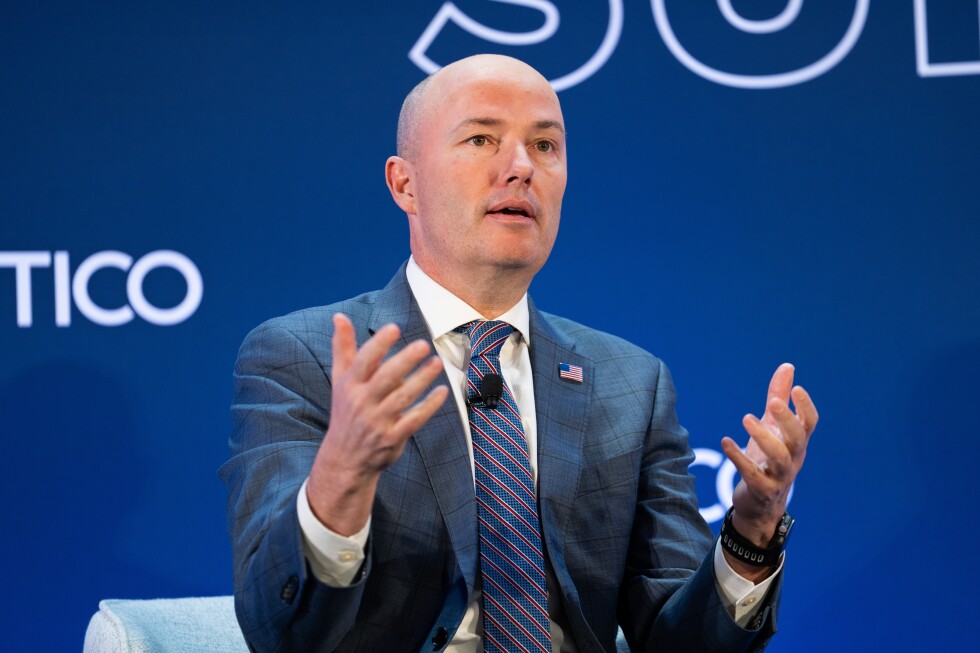
Governor Spencer Cox announced his intention to sign groundbreaking legislation specifically targeting prediction market platforms operating within Utah borders. This decisive action places the conservative state in direct conflict with federal regulators who classify these platforms as legitimate financial markets rather than gambling venues.
The Commodity Futures Trading Commission (CFTC) has officially backed Kalshi’s legal challenge against Utah’s proposed restrictions. This federal support creates an unprecedented jurisdictional dispute between state gambling laws and federal financial market regulations, setting the stage for a potentially landmark court battle.
Kalshi filed their lawsuit immediately after Utah announced the proposed legislation, arguing that state-level restrictions violate federal commerce regulations and improperly interfere with CFTC-regulated activities. This legal action represents the first major court challenge to state-level prediction market restrictions since these platforms gained mainstream popularity.
How Prediction Markets Operate
Modern prediction platforms function through sophisticated mobile applications that enable real-time betting on diverse events. Users create accounts, deposit funds, and place wagers on outcomes ranging from sports events to economic indicators, presidential elections, and international conflicts.
These platforms generate revenue through transaction fees and market-making activities, similar to traditional stock exchanges. The Technology behind these systems uses algorithmic pricing models that adjust odds based on collective betting patterns and market demand.
Polymarket and Kalshi represent the two dominant platforms in this emerging sector, with combined daily trading volumes reaching millions of dollars. Both companies argue their services provide valuable market intelligence and price discovery mechanisms that benefit broader financial markets.
Impact on Various Stakeholders
Young adults represent the primary demographic targeted by prediction market platforms, with approximately 60% of users falling between ages 18-35 according to industry data. Governor Cox specifically cited concerns about targeting younger demographics as a primary motivation for the restrictive legislation.
The Church of Jesus Christ of Latter-day Saints maintains significant influence over Utah’s gambling policies, viewing all forms of wagering as morally problematic activities that promote addiction and selfish behavior. This religious perspective shapes the state’s uniquely restrictive approach to gambling-related activities.
Federal regulators argue that prediction markets serve legitimate economic functions by providing price discovery mechanisms and market intelligence that benefit institutional investors and policymakers. The CFTC’s position reflects broader efforts to modernize financial market regulations for digital-age trading platforms.
Comparison of Federal vs State Positions
| Aspect | Federal Position | Utah Position |
|---|---|---|
| Classification | Financial Markets | Gambling Activities |
| Regulatory Authority | CFTC Oversight | State Prohibition |
| Legal Status | Permitted | Banned |
| Economic Value | Price Discovery Tool | Harmful Vice |
This dispute reflects broader tensions between evolving digital financial services and traditional state regulatory authority. Similar conflicts may emerge in other states as prediction markets gain popularity and federal oversight expands.
The outcome will likely influence how other conservative states approach emerging financial technologies that blur traditional boundaries between investing and gambling. Industry observers suggest this case could reach the Supreme Court if lower courts cannot resolve the federal-state jurisdictional conflicts.
📚 Related Articles You May Like
Frequently Asked Questions
What makes Utah’s gambling laws unique compared to other states?
Utah maintains the strictest anti-gambling laws in America, completely prohibiting all forms of wagering including casinos, lotteries, and sports betting. This stems from strong Mormon Church influence and over 100 years of conservative gambling policy.
Why does the federal government support prediction markets?
The CFTC classifies prediction markets as financial instruments that provide valuable price discovery and market intelligence. Federal regulators argue these platforms serve legitimate economic functions beyond mere gambling activities.
Can Utah actually ban federally regulated financial markets?
This represents the core legal question in the lawsuit. States traditionally regulate gambling while federal agencies oversee financial markets, creating potential constitutional conflicts when activities blur these boundaries.
How do prediction markets target young people specifically?
Governor Cox cites mobile-first platform design, social media marketing, and gamification features as methods that specifically appeal to younger demographics, making wagering more accessible and appealing to digital natives.
What happens if Utah wins this legal battle?
A Utah victory could encourage other conservative states to enact similar restrictions and potentially force prediction platforms to operate under a complex patchwork of conflicting state and federal regulations.
Conclusion and Industry Impact
Utah’s unprecedented challenge to federally-backed prediction markets represents a pivotal moment in American gambling and financial regulation. This legal battle will likely establish important precedents for digital wagering platforms and state regulatory authority over emerging financial technologies.
The dispute highlights growing tensions between traditional moral values and modern financial innovation, particularly regarding activities that combine elements of both investing and gambling. As similar conflicts may emerge across multiple states, this case could fundamentally reshape how America regulates digital prediction platforms.
Stay updated on this developing story and other breaking United States News through our comprehensive coverage of legal, technological, and regulatory developments affecting modern financial markets.