
Trump Strait of Hormuz Call Gets No Warship Promises
Trump’s recent call for international warships to protect the Strait of Hormuz has met with lukewarm responses from key allies, as tensions escalate in the critical oil shipping route. Despite appeals to China, France, Japan, South Korea, and Britain, no concrete commitments have emerged to secure this vital maritime corridor.
⚡ Quick Summary
- Trump calls for allied warships to protect Strait of Hormuz amid rising tensions
- No country has made firm commitments to deploy naval forces
- Iran controls access to strait carrying one-fifth of global oil exports
- Oil prices surge as diplomatic solutions remain elusive
What is the Strait of Hormuz Crisis?
The Strait of Hormuz crisis is defined as the ongoing maritime security threat affecting the narrow waterway between Iran and the Arabian Peninsula. This critical chokepoint handles approximately 20% of global oil shipments, making it one of the world’s most strategically important sea routes. The current tensions stem from coordinated attacks that began on February 28, during indirect U.S.-Iran nuclear program negotiations.
Latest Diplomatic Developments
Iran’s Foreign Minister Abbas Araghchi revealed in a CBS interview that Tehran has received approaches from multiple countries seeking safe passage for their vessels. According to Araghchi, Iran’s military leadership determines which ships receive permission to transit the strait. He confirmed that vessels from various nations have been granted passage, though specific details remain classified.
The Iranian Foreign Minister also stated that Tehran sees “no reason” to engage in dialogue with Americans about ending the current conflict. This stance significantly complicates efforts to find a diplomatic resolution to the maritime security crisis.
International Response and Energy Security
U.S. Energy Secretary Chris Wright confirmed ongoing dialogue with countries mentioned in Trump’s appeal, expressing optimism that China could become a “constructive partner” in reopening the strait. However, concrete naval commitments remain absent from international partners.
China’s embassy spokesperson Liu Pengyu emphasized that “all parties have the responsibility to ensure stable and unimpeded energy supply” while pledging to “strengthen communication” on the matter. This diplomatic language suggests Beijing prefers negotiation over military intervention.
Economic Impact and Market Reactions
Oil prices continue climbing as uncertainty surrounding the Strait of Hormuz persists. The waterway’s strategic importance cannot be overstated – disruptions here immediately affect global energy supplies and prices. International markets remain volatile as traders assess the likelihood of prolonged shipping disruptions.
Energy analysts worry that extended conflicts could force oil tankers to use longer, more expensive alternative routes around Africa, significantly increasing transportation costs and delivery times. This scenario would particularly impact countries heavily dependent on Middle Eastern oil imports.
Regional Economic Consequences
The crisis affects not only global oil markets but also regional economies dependent on maritime trade. Countries like Pakistan, which rely heavily on imported energy resources, face potential supply chain disruptions that could impact their Economy & Business sectors.
Military and Strategic Considerations
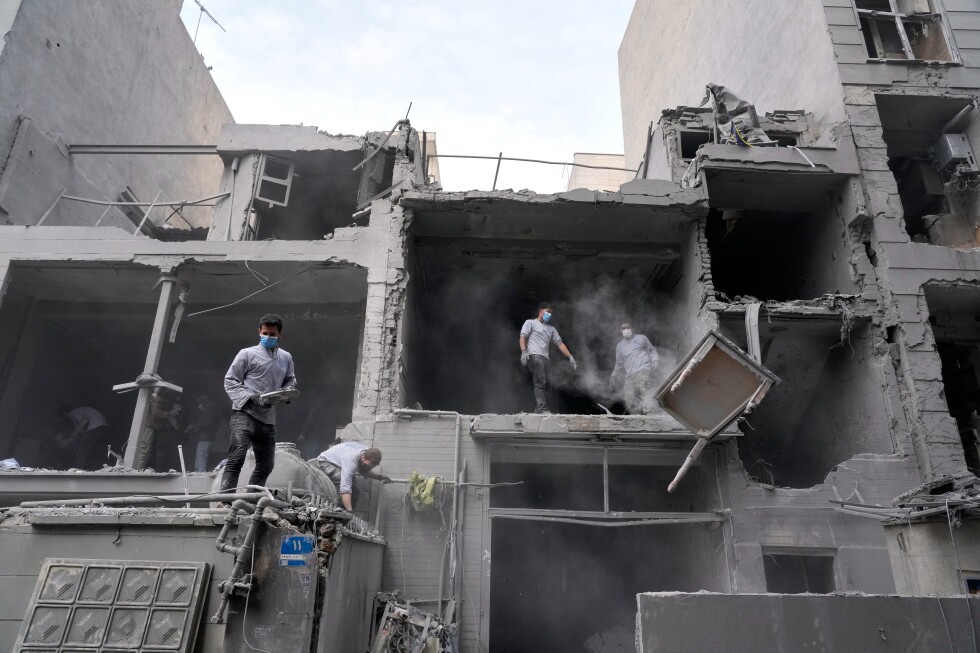
Iran’s control over the Strait of Hormuz represents a significant geopolitical leverage point. Tehran has reportedly indicated no plans to recover enriched uranium materials buried under rubble from previous U.S. and Israeli attacks, suggesting a shift in nuclear program priorities.
The absence of international naval commitments to Trump’s protection request highlights the complex diplomatic calculations involved. Allied nations must balance energy security concerns against potential military escalation risks.
Current Maritime Security Status
| Aspect | Current Status |
|---|---|
| Oil Transit Volume | 20% of global exports (reduced capacity) |
| Iranian Policy | Open to all except U.S. allies |
| International Naval Presence | Limited, no new commitments |
| Diplomatic Status | Stalled, Iran refuses U.S. dialogue |
Frequently Asked Questions
Why is the Strait of Hormuz so important globally?
The Strait of Hormuz carries approximately one-fifth of the world’s oil exports, making it a critical chokepoint for global energy security. Any disruption here immediately affects international oil prices and supply chains.
Which countries did Trump ask to send warships?
Trump specifically appealed to China, France, Japan, South Korea, Britain, and other allies to deploy naval vessels to protect the strait and keep it “open and safe” for international shipping.
What is Iran’s current position on strait access?
Iran maintains that the Strait of Hormuz remains open to all countries except the United States and its allies. Tehran’s military leadership decides which vessels receive passage permissions on a case-by-case basis.
How are oil markets responding to these tensions?
Oil prices continue rising due to uncertainty about continued access through the strait. Markets remain volatile as traders assess risks of prolonged shipping disruptions affecting global energy supplies.
What alternatives exist if the strait closes completely?
Alternative shipping routes around Africa would significantly increase transportation costs and delivery times. These longer routes would substantially impact global oil prices and supply chain efficiency.
📚 Related Articles You May Like
Looking Ahead: Implications for Global Security
The Strait of Hormuz crisis represents more than a regional conflict – it’s a test of international cooperation on critical global infrastructure protection. The lukewarm response to Trump’s warship request reveals the complex diplomatic challenges facing collective security arrangements.
As this situation develops, countries worldwide must consider their energy security strategies and diplomatic positions. The crisis underscores the vulnerability of global supply chains to regional conflicts and the importance of diversified energy sources and transportation routes.
Stay informed about these developing tensions through our comprehensive coverage of United States News and international developments. For the latest updates on how these events affect regional markets, visit Source: AP News US for continued coverage of this evolving story.