
Pakistan PM Freezes Petrol Prices Despite Global Hike
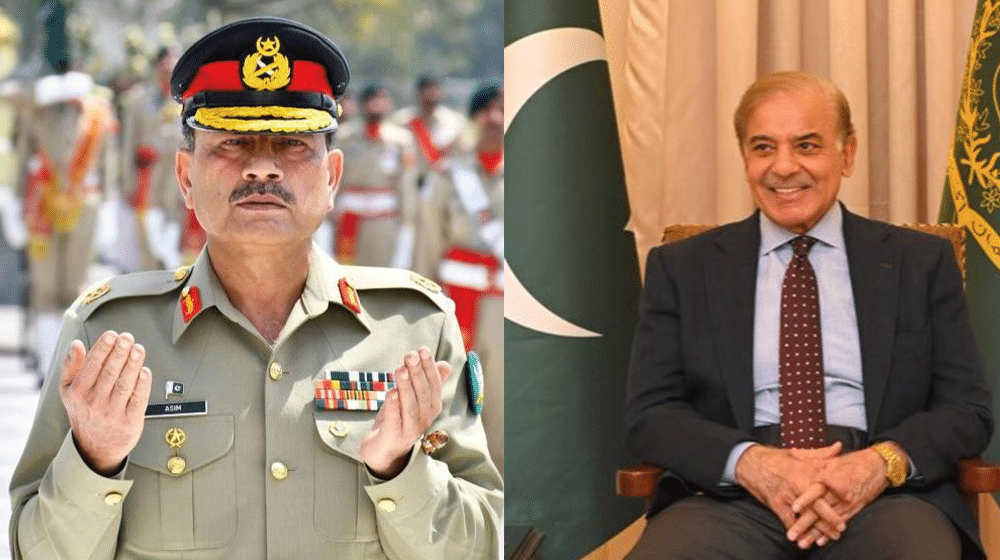
Pakistan’s federal government is reportedly considering a petrol price freeze despite significant increases in global oil prices, following high-level discussions between Prime Minister Shehbaz Sharif and Chief of Army Staff General Asim Munir. The potential decision aims to protect consumers from substantial fuel cost increases that could impact the nation’s economy.
⚡ Quick Summary
- Government considering Rs. 389 billion emergency fund to freeze petrol prices
- Potential increases: Rs. 41/litre for petrol, Rs. 56/litre for diesel
- Current fuel prices: Petrol Rs. 322/litre, Diesel Rs. 337/litre
- Next price review scheduled for March 15, 2024
What is the Petrol Price Freeze Initiative?
The petrol price freeze initiative is defined as a government intervention strategy designed to maintain current fuel prices despite rising international oil costs. This policy mechanism involves utilizing emergency reserves to subsidize petroleum products, preventing price increases from being passed directly to consumers during periods of global market volatility.
Latest Petroleum Price Analysis and Market Trends
According to recent market data, Pakistan faces substantial pressure from rising global oil prices. The latest analysis indicates that high-speed diesel (HSD) prices could potentially increase by approximately Rs. 56 per litre, while petrol prices may face an upward adjustment of around Rs. 41 per litre.
Currently, petrol and diesel retail at more than Rs. 322 and Rs. 337 per litre respectively across Pakistan. Additional petroleum products are also experiencing price pressure, with kerosene potentially rising by Rs. 7 per litre and light diesel oil facing a possible Rs. 53 per litre increase.
Supply Chain and Inventory Status
Pakistan’s current petroleum inventory situation shows mixed prospects for fuel availability. Officials estimate that existing petrol and diesel stocks are sufficient for approximately three weeks of national consumption. However, diesel imports face significant logistical challenges as alternative supply routes require extended shipping times, potentially affecting future supply stability.
Government Conservation Measures and Policy Response
Beyond the potential petrol price freeze, Pakistani officials are implementing comprehensive conservation strategies to manage energy demand and preserve foreign exchange reserves. These measures include gas supply adjustments for industrial sectors and potential rationing protocols later in the year to control electricity consumption.
The Economy & Business implications of these policies extend far beyond immediate fuel costs, affecting industrial production, transportation, and overall economic stability.
Strategic Decision-Making Process
The consultative session involving Prime Minister Shehbaz Sharif and Chief of Army Staff General Asim Munir represents a high-level approach to energy policy decision-making. This collaboration between civilian and military leadership demonstrates the critical importance of fuel pricing decisions for national security and economic stability.
Impact on Pakistani Citizens and Industries
The proposed petrol price freeze would significantly benefit Pakistani consumers and businesses facing inflationary pressures. Transportation costs, which directly affect food prices and daily commuting expenses, would remain stable despite global market volatility.
| Fuel Type | Current Price | Potential Increase | Impact |
|---|---|---|---|
| Petrol | Rs. 322/litre | Rs. 41/litre | Private vehicles, motorcycles |
| High-Speed Diesel | Rs. 337/litre | Rs. 56/litre | Transportation, agriculture |
| Kerosene | Market rate | Rs. 7/litre | Rural households |
| Light Diesel Oil | Market rate | Rs. 53/litre | Industrial applications |
Economic Sectors Most Affected
The Automobiles sector would experience immediate relief from stable fuel costs, while the transportation industry could maintain current service rates. Agricultural sectors, heavily dependent on diesel for machinery and irrigation, would benefit significantly from price stability.
Important Dates and Timeline
The next petroleum price review is officially scheduled for March 15, 2024, though government sources indicate the decision could be announced earlier based on international market assessment and policy considerations.
Global Context and Regional Comparison
Pakistan’s approach to managing fuel price volatility reflects broader regional challenges faced by developing economies. Similar to other South Asian nations, Pakistan must balance consumer protection with fiscal sustainability while maintaining adequate foreign exchange reserves.
This policy discussion aligns with broader Technology and innovation approaches being implemented across Pakistan’s energy sector, including digital monitoring systems for fuel distribution and pricing mechanisms.
📚 Related Articles You May Like
Frequently Asked Questions
When will the final decision on petrol price freeze be announced?
The government is expected to announce its decision before the scheduled March 15, 2024 review date, with officials conducting continuous assessment of international market conditions and policy implications.
How much money will the government use for the petrol price freeze?
According to official discussions, approximately Rs. 389 billion from emergency funds would be allocated to subsidize petroleum prices and prevent increases from reaching consumers.
Which fuel types are included in the potential price freeze?
The freeze consideration covers petrol, high-speed diesel, kerosene, and light diesel oil, with each fuel type facing different levels of potential price pressure from international markets.
How long will Pakistan’s current fuel inventory last?
Current petroleum inventories are estimated to be sufficient for approximately three weeks of national consumption, though diesel imports face logistical challenges requiring longer shipping times.
What conservation measures is the government implementing alongside the price freeze?
Officials are implementing gas supply adjustments for industrial sectors and considering potential rationing protocols later in 2024 to manage electricity demand and preserve foreign exchange reserves.
Conclusion and Future Outlook
The proposed petrol price freeze represents a significant policy intervention aimed at protecting Pakistani consumers from global oil market volatility. The collaboration between Prime Minister Shehbaz Sharif and military leadership demonstrates the strategic importance of energy pricing for national stability.
Citizens and businesses should monitor official announcements regarding the final decision, expected before March 15, 2024. The policy outcome will significantly impact Pakistan’s economic trajectory and consumer spending patterns in the coming months.
For the latest updates on Pakistan’s energy policies and government decisions, stay connected with our comprehensive coverage of Pakistan News and economic developments. Source: ProPakistani