
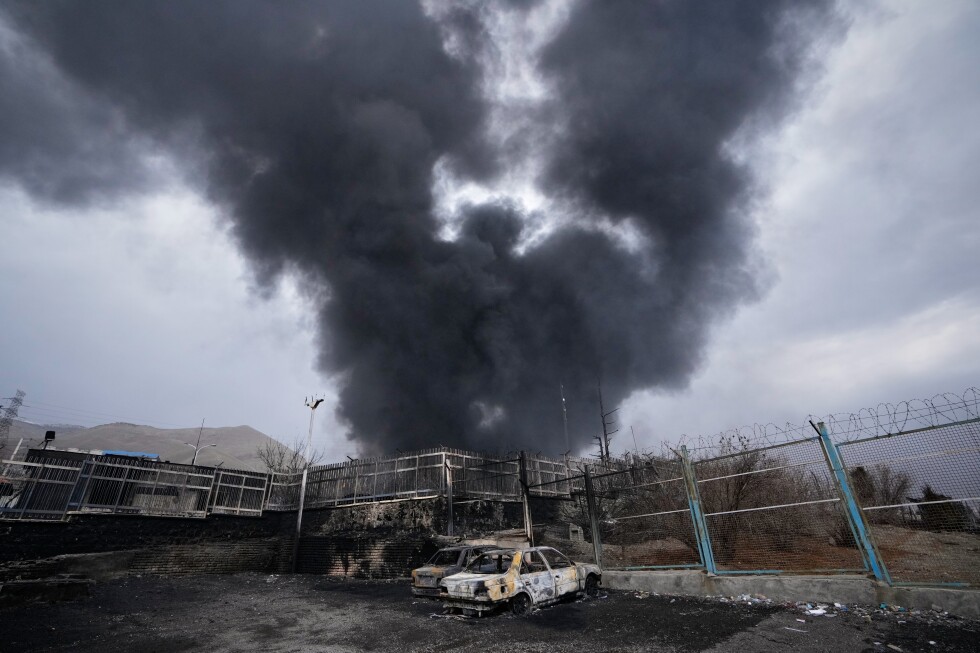
Oil Prices Hit $100+ as Iran War Disrupts Supply Chain
Oil prices have surged beyond the $100 per barrel mark for the first time since late 2020, driven by escalating tensions in the Middle East that threaten global energy supply chains. This dramatic price surge reflects growing concerns about production disruptions and shipping delays affecting critical oil-producing regions.
⚡ Quick Summary
- Brent crude oil prices reached $107.97 per barrel, up 16.5% from Friday’s close
- Regional conflicts are disrupting production and shipping through the Strait of Hormuz
- Approximately 20% of global oil supply typically flows through affected shipping routes
What is the Current Oil Price Crisis?
The current oil price crisis is defined as a sharp increase in global crude oil costs triggered by geopolitical tensions affecting major oil-producing regions in the Middle East. Brent crude, which serves as the international benchmark for oil pricing, has jumped to $107.97 per barrel, while West Texas Intermediate (WTI) crude reached $106.22 per barrel during Sunday trading sessions.
Latest Oil Market Updates
Trading data from the Chicago Mercantile Exchange shows unprecedented volatility in global oil markets. Brent crude prices experienced a 16.5% surge from Friday’s closing price of $92.69, while WTI crude increased by 16.9% from its previous close of $90.90.
The price surge directly impacts Pakistan’s Economy & Business sector, particularly affecting fuel costs and transportation expenses across the country.
How Regional Conflicts Affect Global Oil Supply
The ongoing tensions have significantly disrupted oil production and transportation networks across the Persian Gulf region. According to Rystad Energy, approximately 15 million barrels of crude oil flow through the Strait of Hormuz daily, representing roughly 20% of global oil supply.
Multiple oil-producing nations have been forced to reduce output due to storage capacity constraints and limited export capabilities. Iraq, Kuwait, and the United Arab Emirates have implemented production cuts as storage facilities reach maximum capacity.
Impact on Transportation and Shipping
Maritime transportation through the region has virtually ceased due to security concerns. Tanker vessels carrying oil and gas from major producers have suspended operations through traditional shipping lanes, creating supply bottlenecks that directly contribute to rising prices.
This disruption affects global supply chains, including Pakistan’s Automobiles sector, which relies heavily on stable fuel prices for both manufacturing and consumer markets.
Countries Affected by Production Cuts
| Country | Action Taken |
|---|---|
| Iraq | Reduced oil production due to storage constraints |
| Kuwait | Cut production amid export limitations |
| UAE | Decreased output due to shipping disruptions |
Global Economic Implications
Rising oil prices create ripple effects across multiple economic sectors worldwide. Higher energy costs typically translate to increased transportation expenses, manufacturing costs, and consumer prices for everyday goods.
The situation particularly affects developing economies like Pakistan, where fuel price increases directly impact inflation rates and cost of living for ordinary citizens. This connects to broader discussions about government support programs, including BISP 8171 assistance for vulnerable populations.
Market Analysis and Expert Predictions
Energy market analysts suggest that oil prices could continue experiencing volatility depending on the duration and intensity of regional tensions. The current situation represents the highest crude oil prices since late 2020, when global markets were recovering from pandemic-related disruptions.
Historical data indicates that sustained oil prices above $100 per barrel often trigger economic adjustments across multiple sectors, influencing everything from airline ticket prices to heating costs in colder regions.
Frequently Asked Questions
Why did oil prices suddenly jump above $100 per barrel?
Oil prices surged due to regional conflicts affecting major oil-producing areas in the Middle East, particularly disrupting production and shipping through the Strait of Hormuz, which handles approximately 20% of global oil supply.
How much have oil prices increased recently?
Brent crude increased by 16.5% to $107.97 per barrel, while West Texas Intermediate rose 16.9% to $106.22 per barrel. These increases followed previous week gains of 36% for U.S. crude and 28% for Brent crude.
Which countries are most affected by the production disruptions?
Iraq, Kuwait, and the United Arab Emirates have reduced oil production due to storage capacity issues and limited export capabilities caused by shipping disruptions through traditional routes.
How does this affect Pakistan’s economy?
Higher oil prices increase fuel costs, transportation expenses, and manufacturing costs in Pakistan, potentially leading to higher inflation and increased financial pressure on consumers and businesses.
When might oil prices stabilize?
Oil price stabilization depends on the resolution of regional tensions and restoration of normal shipping operations through critical supply routes like the Strait of Hormuz. Market analysts continue monitoring the situation for signs of improvement.
📚 Related Articles You May Like
Conclusion and Market Outlook
The surge in oil prices above $100 per barrel marks a significant development in global energy markets, driven by production and shipping disruptions in the Middle East. With approximately 20% of global oil supply potentially affected, markets worldwide are experiencing increased volatility and uncertainty.
Pakistani consumers and businesses should prepare for potential increases in fuel costs and related expenses. Stay informed about developing market conditions through reliable sources including United States News coverage and economic analysis from trusted financial institutions.
For the latest updates on oil prices and their economic impact, continue following comprehensive news coverage and official statements from energy sector authorities. Source: AP News US