
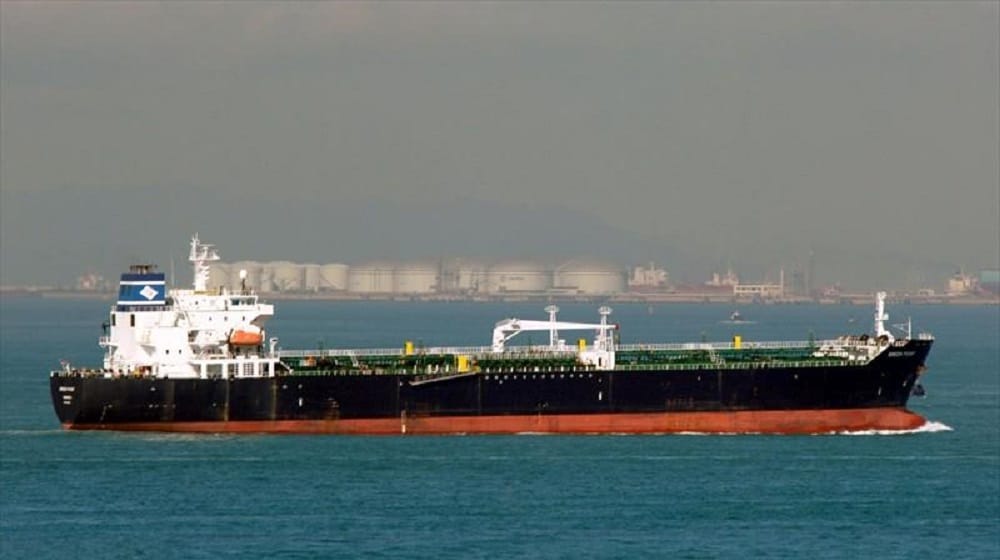
Middle East War Drives US-Asia Oil Shipping to $29M Per Tanker
Middle East War Drives Oil Shipping Costs to Historic $29 Million as Global Trade Routes Disrupted. The ongoing Middle East conflict has caused unprecedented disruptions in global oil shipping, with freight costs from the United States to Asia reaching extraordinary levels that threaten to reshape international energy markets.
⚡ Quick Summary
- Supertanker shipping costs from US to Asia surge to $29 million per vessel
- Freight rates doubled in just two weeks due to Middle East conflict
- Shipping costs now represent 20% of crude oil price versus 5% in August
- Some oil export deals becoming economically unviable
## What is the Oil Shipping Crisis?
The oil shipping crisis is defined as a dramatic surge in maritime freight costs caused by regional conflicts disrupting major shipping routes, particularly through the Strait of Hormuz. This crisis has fundamentally altered global energy supply chains, forcing Asian buyers to seek alternative crude oil sources at significantly higher transportation costs.
## Latest Shipping Cost Updates
According to recent market data, the cost to charter a Very Large Crude Carrier (VLCC) supertanker for transporting two million barrels of crude oil from the US Gulf Coast to China has skyrocketed to just over $29 million. This represents an unprecedented 100% increase compared to rates observed merely two weeks prior to the current crisis.
The surge in oil shipping costs has created a ripple effect across global energy markets. Current freight rates add approximately $14.50 per barrel to the cost of crude oil, making shipping expenses equivalent to nearly one-fifth of West Texas Intermediate crude’s trading price of around $75 per barrel. This development significantly impacts Economy & Business sectors worldwide, particularly in energy-dependent nations.
## How Global Oil Trade Routes Are Affected
The disruption mechanism operates through a complex chain of events. Persian Gulf oil supplies, traditionally flowing to Asian markets through established shipping lanes, have been severely restricted due to military activities and safety concerns in the region. This has forced Asian energy importers to pivot toward alternative suppliers, primarily increasing demand for US crude oil exports.
However, the longer shipping distances from North American ports to Asian destinations, combined with reduced available vessel capacity due to route diversions, have created a supply-demand imbalance in the tanker market. Modern shipping Technology and logistics systems are struggling to adapt quickly enough to these dramatic route changes.
## Economic Impact on Energy Markets
The unprecedented shipping cost surge affects multiple stakeholders across the global energy ecosystem. Oil producers face reduced profit margins on export sales, while consumers ultimately bear the burden through higher energy prices. Refineries in Asia are particularly impacted, as they must choose between paying premium shipping rates or seeking alternative, potentially lower-quality crude sources.
Several supertanker bookings for US Gulf Coast crude loading have already been cancelled within the past 24 hours, as the elevated transport costs render certain export transactions economically unfeasible. This trend suggests that sustained high shipping rates could significantly reduce US crude export volumes to Asian markets.
## Step-by-Step Market Response Analysis
1. **Initial Disruption**: Middle East conflict restricts Strait of Hormuz passage
2. **Supply Shortage**: Asian buyers lose access to traditional Persian Gulf crude sources
3. **Demand Shift**: Increased demand for US crude exports to Asia
4. **Capacity Constraint**: Limited available supertanker capacity for longer US-Asia routes
5. **Price Escalation**: Freight rates surge due to supply-demand imbalance
6. **Deal Cancellation**: Some oil transactions become economically unviable
7. **Market Adjustment**: Industry seeks alternative supply chains and pricing strategies
## Shipping Cost Breakdown Analysis
| Cost Component | Current Rate | Previous Rate (2 weeks ago) |
|---|---|---|
| Total Charter Cost | $29 million | ~$14.5 million |
| Per Barrel Cost | $14.50 | ~$7.25 |
| % of WTI Price | ~20% | ~10% |
The current crisis demonstrates how geopolitical events can rapidly transform global commodity markets, affecting everything from Automobiles fuel costs to industrial energy expenses across Pakistan and other developing nations.
## Frequently Asked Questions
**Q: How long are these elevated shipping costs expected to persist?**
A: Market analysts suggest that shipping costs will remain elevated as long as the Middle East conflict continues to disrupt traditional oil transport routes. The duration depends largely on geopolitical developments and the establishment of alternative secure shipping corridors.
**Q: Which countries are most affected by these shipping cost increases?**
A: Asian economies heavily dependent on oil imports, particularly China, Japan, South Korea, and India, face the most significant impact. However, the effects ripple globally through interconnected energy markets.
**Q: Are there alternative shipping routes being explored?**
A: Yes, companies are investigating longer routes around Africa and increased pipeline capacity, though these alternatives involve additional costs and logistical challenges.
**Q: How does this affect Pakistan’s energy imports?**
A: Pakistan’s energy sector faces increased import costs for crude oil and refined products, potentially leading to higher domestic fuel prices and impacting the national Economy & Business landscape.
**Q: Can technology help mitigate these shipping challenges?**
A: Advanced logistics software, route optimization systems, and digital trading platforms are being deployed to improve efficiency, though they cannot fully offset the fundamental capacity and distance challenges.
📚 Related Articles You May Like
## Conclusion and Market Outlook
The current oil shipping cost crisis represents a significant disruption to global energy markets, with implications extending far beyond immediate transportation expenses. As freight rates continue at historically elevated levels, the international energy trade landscape is undergoing fundamental changes that may persist well beyond the resolution of current Middle East tensions.
For Pakistani businesses and consumers, monitoring these developments remains crucial as they directly impact domestic energy costs and economic stability. The situation underscores the importance of diversified energy supply chains and strategic petroleum reserves in managing global market volatility.
Stay informed about the latest developments in global energy markets and their impact on Pakistan’s economy by following our comprehensive coverage of Pakistan News and economic updates. Source: ProPakistani