
Mental Health Bond Projects Delayed: 10 Facilities Miss 2025
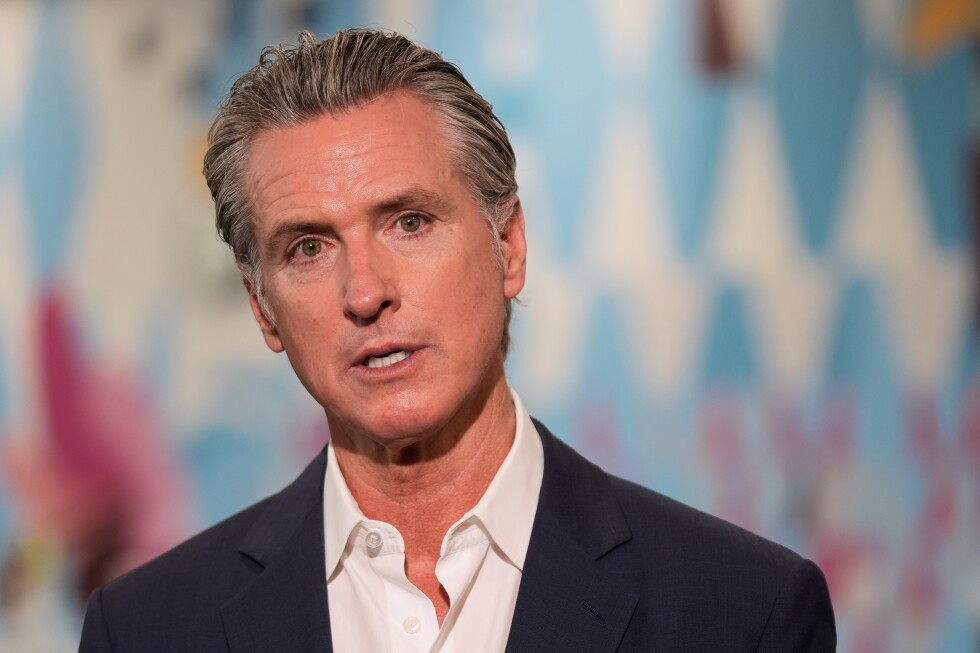
California’s ambitious mental health bond program under Governor Gavin Newsom has faced significant setbacks, with none of the 10 projects scheduled to open in 2025 meeting their deadlines despite claims of exceeding program goals.
⚡ Quick Summary
- All 10 scheduled mental health projects for 2025 have been delayed or cancelled
- Proposition 1 allocated $6.4 billion for mental health treatment facilities statewide
- Delays range from summer 2025 to summer 2028, with one project completely cancelled
- Project setbacks impact broader mental health initiatives including CARE Court programs
What is California’s Mental Health Bond Program?
California’s mental health bond program is defined as a state-funded initiative established through Proposition 1, a $6.4 billion bond measure that California voters approved by a narrow margin in 2024. The program aims to create thousands of new mental health treatment beds, outpatient treatment facilities, and supportive housing units across the state to address the growing mental health crisis among homeless populations.
Latest Updates on Project Delays
Investigation findings reveal that California’s mental health bond initiatives have encountered substantial obstacles in their initial implementation phase. The state distributed nearly half of the bond funds during spring 2024, with officials initially projecting completion of 10 facilities from the first 124 approved projects by December 2025.
The delayed projects now have revised completion timelines spanning from summer 2025 through summer 2028. This represents a significant deviation from the original implementation schedule that Governor Newsom’s administration had promoted as the fastest bond fund distribution in California’s history.
These developments have broader implications for related United States News coverage of mental health policy implementation at the state level.
How the Mental Health Bond System Works
The Proposition 1 framework operates through a competitive grant process where counties, healthcare organizations, and nonprofit entities submit project proposals for state funding. Approved projects must meet specific criteria for serving individuals experiencing homelessness with severe mental illness.
Key components of the bond program include:
- Inpatient psychiatric treatment facilities
- Outpatient mental health service centers
- Supportive housing developments with integrated services
- Crisis intervention and stabilization units
Impact on California Communities and Mental Health Services
The project delays significantly affect California’s broader mental health strategy, particularly programs like CARE Court that rely on available treatment beds and services. CARE Court uses judicial intervention to mandate treatment for individuals with severe mental illness, but its effectiveness depends on having adequate facility capacity.
Without the promised infrastructure from Proposition 1, several interconnected programs face operational challenges:
- Reduced capacity for court-ordered mental health treatment
- Limited options for transitioning homeless individuals from street to treatment settings
- Decreased availability of specialized psychiatric beds for emergency interventions
Project Timeline and Implementation Challenges
The original implementation schedule called for rapid deployment of mental health facilities beginning in 2025. However, several factors have contributed to widespread delays:
| Challenge Type | Impact on Timeline |
|---|---|
| Construction Delays | 6-24 months additional time |
| Permitting Issues | 3-12 months delays |
| Staffing Shortages | Ongoing operational challenges |
| Cost Overruns | Project cancellations |
Financial Allocations and Bond Distribution
The $6.4 billion Proposition 1 allocation represents one of the largest mental health infrastructure investments in California history. During the initial distribution phase in spring 2024, the state awarded funding to 124 projects across multiple counties.
The financial breakdown includes specific allocations for different types of facilities and services, though exact per-project amounts vary based on scope and capacity. Source: AP News US reporting indicates that despite the delays, state officials maintain that the program will ultimately meet its long-term objectives.
Frequently Asked Questions
What is Proposition 1 and how does it work?
Proposition 1 is a $6.4 billion bond measure approved by California voters in 2024 to fund mental health treatment facilities, housing, and services for individuals experiencing homelessness with mental illness.
Why have mental health bond projects been delayed?
Projects have faced delays due to construction challenges, permitting issues, staffing shortages, and cost overruns that have pushed completion dates from 2025 to as late as summer 2028.
How many projects were supposed to open in 2025?
Ten mental health facilities from the first round of 124 funded projects were scheduled to open by the end of 2025, but none have met this deadline.
What is CARE Court and how is it affected?
CARE Court is a program that uses judicial intervention to get people into mental health treatment, but its effectiveness depends on having available treatment beds and facilities promised under Proposition 1.
When will the delayed mental health projects actually open?
The delayed projects now have completion dates ranging from summer 2025 to summer 2028, representing delays of up to three years from original schedules.
📚 Related Articles You May Like
Conclusion and Next Steps
The delays in California’s mental health bond projects highlight the complex challenges of rapidly scaling mental health infrastructure. While Governor Newsom’s administration maintains optimism about the program’s long-term success, the current setbacks demonstrate the difficulty of implementing large-scale public health initiatives within ambitious timelines.
Stay informed about ongoing developments in California’s mental health initiatives and other important policy updates by following our comprehensive coverage of government programs and public health policies.