
Govt Enforces Work From Home Across Pakistan Due to Smog
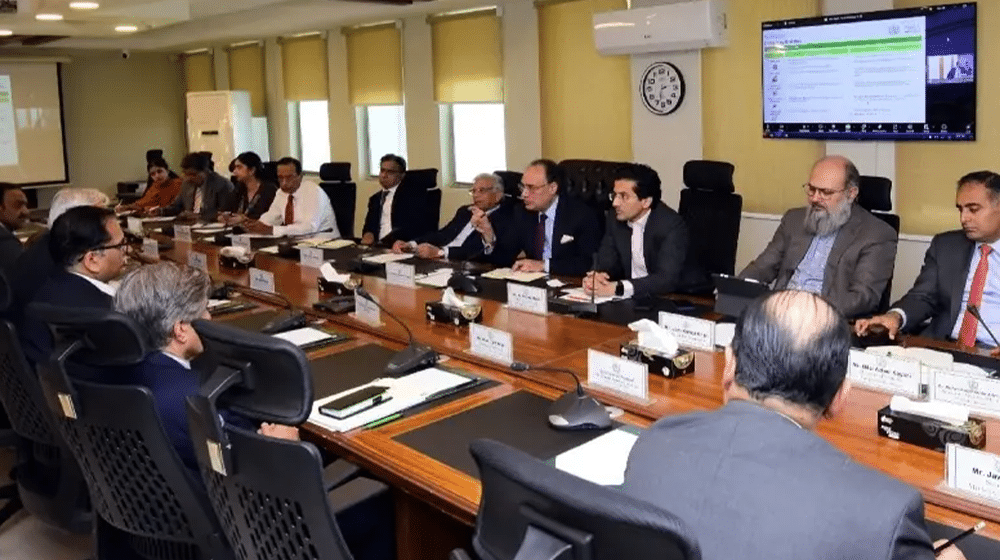
The Pakistan government has implemented comprehensive work from home policies and remote learning initiatives nationwide to address fuel conservation amid rising petroleum costs and global energy uncertainty. This national action plan was approved following extensive consultations with provincial authorities on March 5, 2025.
⚡ Quick Summary
- Federal government approves work from home and remote studies nationwide
- Weekly petroleum price revisions starting March 8, 2025
- Comprehensive fuel conservation measures to counter global energy crisis
- COVID-19 style protocols reinstated including carpooling and online learning
## What is Pakistan’s Work From Home Initiative?
Pakistan’s work from home initiative is defined as a comprehensive national strategy implemented by the federal government to reduce fuel consumption and conserve foreign exchange reserves during global energy uncertainty. The program encompasses remote working arrangements, online educational systems, and coordinated transportation policies designed to minimize petroleum dependency across all sectors.
## Latest Government Policy Updates
The cabinet committee responsible for monitoring petroleum prices finalized this national action plan following comprehensive assessments of Pakistan’s energy security situation. According to Source: ProPakistani, the federal Economic Coordination Committee will oversee implementation once the Prime Minister provides official authorization.
Current petroleum stock levels remain adequate according to government assessments, though officials acknowledge the volatile nature of international energy markets. The committee conducted thorough evaluations of shipping risks, escalating costs, and supply chain vulnerabilities that could impact Pakistan’s energy security.
Provincial coordination mechanisms have been established to ensure uniform implementation across all territories. This collaborative approach between federal and provincial authorities demonstrates the government’s commitment to comprehensive Pakistan Politics solutions addressing economic challenges.
## How the Remote Work System Functions
The work from home framework operates through multi-layered implementation strategies targeting various sectors simultaneously. Government departments, private corporations, and educational institutions will adopt flexible working arrangements reducing daily commuting requirements.
| Sector | Implementation Strategy |
|---|---|
| Government Offices | Rotating schedules with 50% remote work capacity |
| Educational Institutions | Hybrid learning models combining online and physical classes |
| Private Companies | Flexible arrangements based on operational requirements |
| Transportation | Enhanced carpooling programs and route optimization |
Digital infrastructure supporting remote operations will receive priority attention, connecting this initiative with broader Technology News developments across Pakistan. Internet connectivity improvements and digital platform expansions will facilitate seamless remote working experiences.
## Economic Benefits and Population Impact
Pakistan’s work from home policy generates substantial economic advantages through reduced fuel consumption, decreased foreign exchange outflows, and improved productivity metrics. The initiative particularly benefits urban populations in major cities like Karachi, Lahore, and Islamabad where daily commuting consumes significant petroleum resources.
Small and medium enterprises benefit from reduced operational overhead, while employees save transportation costs and gain improved work-life balance. This dual benefit structure supports broader Economy & Business recovery objectives during challenging global conditions.
The automotive sector will experience reduced fuel demand, though this may accelerate adoption of fuel-efficient vehicles and alternative energy solutions in Automobiles markets nationwide.
## Implementation Timeline and Process
The government has established a clear implementation framework beginning March 8, 2025, with weekly petroleum price adjustments serving as the catalyst for broader conservation measures.
**Phase 1: Immediate Implementation (March 8-15, 2025)**
1. Government departments initiate partial remote working schedules
2. Educational institutions prepare online learning infrastructure
3. Provincial authorities coordinate local implementation strategies
4. Weekly petroleum price revision system becomes operational
**Phase 2: Full Scale Deployment (March 16-31, 2025)**
1. Private sector companies adopt flexible working arrangements
2. Carpooling programs launch in major metropolitan areas
3. Anti-hoarding and smuggling enforcement operations intensify
4. LPG and LNG supply chain optimizations begin
**Phase 3: Monitoring and Adjustment (April 2025 onwards)**
1. Performance metrics evaluation and system refinements
2. Provincial feedback integration for policy improvements
3. Long-term sustainability planning and infrastructure development
4. Integration with national digital transformation initiatives
## Energy Conservation and Supply Chain Management
The comprehensive approach addresses liquefied petroleum gas (LPG) and liquefied natural gas (LNG) supply chains alongside traditional petroleum products. Government strategies focus on diversified sourcing, alternative transportation routes, and efficient logistics management to safeguard domestic energy supplies.
Regulatory authorities will intensify coordination targeting illegal storage, smuggling activities, and distribution disruptions that compromise national energy security. Priority sectors including healthcare, emergency services, and critical infrastructure maintain preferential access to fuel supplies.
International oil market volatility necessitates flexible response mechanisms, with the government preparing contingency measures based on successful COVID-19 pandemic protocols. These proven strategies demonstrated Pakistan’s capacity for rapid policy adaptation during crisis situations.
## Frequently Asked Questions
**Q: When does Pakistan’s work from home policy officially begin?**
A: The work from home initiative launches immediately following Prime Minister Shehbaz Sharif’s approval, with full implementation coordinated alongside weekly petroleum price revisions starting March 8, 2025.
**Q: Which sectors are required to implement remote working arrangements?**
A: Government departments, educational institutions, and private companies must adopt flexible working arrangements based on operational feasibility, with essential services maintaining normal operations.
**Q: How will fuel price changes affect the remote work policy?**
A: Weekly petroleum price adjustments will influence policy intensity, with higher fuel costs potentially triggering enhanced remote working requirements and stricter conservation measures.
**Q: Are there penalties for organizations not complying with work from home directives?**
A: While specific penalties haven’t been announced, organizations are expected to cooperate with national energy conservation goals, with provincial authorities monitoring compliance levels.
**Q: How long will these work from home measures remain in effect?**
A: The policy duration depends on global energy market stability and Middle East conflict resolution, with regular assessments determining continuation or modification of current measures.
📚 Related Articles You May Like
## Conclusion and Next Steps
Pakistan’s comprehensive work from home and remote learning initiative represents a strategic response to global energy challenges while promoting sustainable economic practices. This coordinated approach between federal and provincial governments demonstrates effective policy-making during uncertain times, with potential long-term benefits extending beyond immediate fuel conservation objectives.
Citizens and organizations should prepare for implementation by establishing remote working capabilities, exploring carpooling opportunities, and staying informed about weekly petroleum price adjustments. For the latest updates on this developing story and other important Pakistan News, continue following official government announcements and policy developments.