
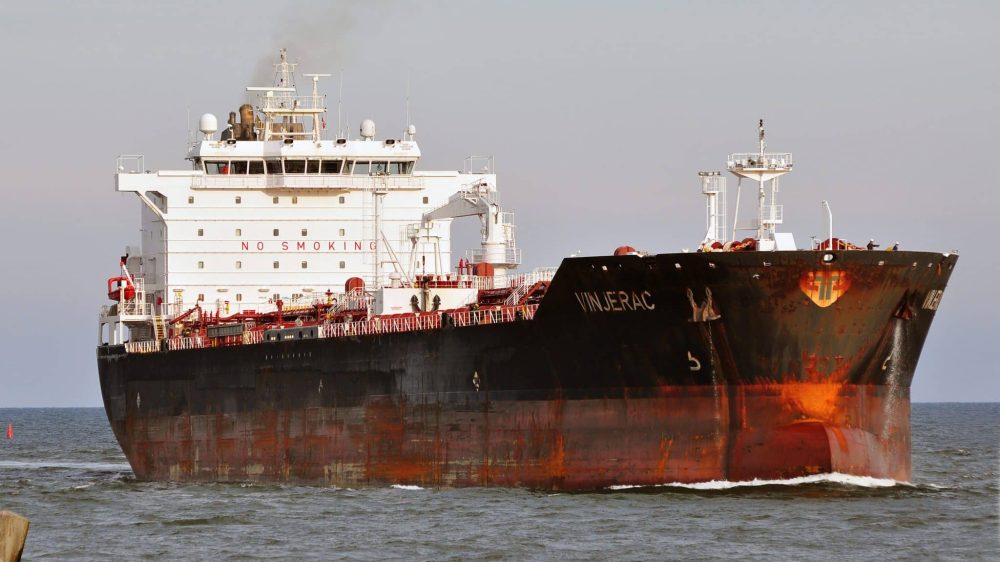
Fuel Crisis: Pakistan Secures 30-Day Oil Supply Deal
Pakistan has successfully averted a major fuel crisis after securing emergency oil supplies from multiple international sources, ensuring 30 days of petroleum stock availability across the country. The strategic procurement involved four oil tankers carrying over 250,000 metric tons of petroleum products reaching Pakistani ports this week.
⚡ Quick Summary
- Pakistan secured 250,000+ metric tons of petroleum products from international suppliers
- 30-day fuel supply secured through emergency procurement planning
- Oil sourced from Saudi Arabia, UAE, Kuwait, and Singapore via alternative shipping routes
- Multiple tankers already docked at Port Qasim with more arrivals scheduled
What is Pakistan’s Emergency Oil Supply Strategy?
Pakistan’s emergency oil supply strategy is defined as a comprehensive fuel procurement plan designed to maintain uninterrupted petroleum availability during regional conflicts and supply chain disruptions. This strategic approach involves diversifying supply sources, utilizing alternative shipping routes, and maintaining buffer stocks to prevent domestic fuel shortages.
Latest Oil Supply Updates and Port Arrivals
According to port officials, the emergency fuel procurement operation commenced with three oil tankers successfully reaching Pakistani shores by March 10, 2024. The fourth vessel was scheduled to dock at Port Qasim on Wednesday afternoon, completing the immediate supply mission.
The Pakistan News regarding fuel security shows significant improvement with these strategic arrivals. MT Navey Atropos delivered approximately 50,000 metric tons of oil products on March 9, while MT Spruce II was expected to anchor with 55,000 metric tons of petroleum products at 8:30 PM on March 10.
Detailed Vessel Schedule at Port Qasim
| Vessel Name | Arrival Date | Cargo Volume | Status |
|---|---|---|---|
| MT Torum | March 9 | Gas Tanker | Docked at Damini Futco |
| MT Navey Atropos | March 9 | 50,000 MT | Arrived |
| MT Spruce II | March 10, 8:30 PM | 55,000 MT | Scheduled |
| MTC Clipper | March 11, 12:00 PM | 34,000 MT | Expected |
International Supply Sources and Alternative Shipping Routes
The diversified procurement strategy involved sourcing petroleum products from four key international markets to ensure supply security. This approach demonstrates Pakistan’s commitment to maintaining fuel availability despite regional challenges affecting traditional supply chains.
Saudi Arabia emerged as the primary supplier, leveraging the strong bilateral relationship between the two nations. The United Arab Emirates, particularly through Fujairah ports, provided additional supplies utilizing their strategic position as a regional energy hub. Kuwait and Singapore rounded out the supply sources, offering diverse petroleum product grades to meet domestic demand.
Strategic Importance for Pakistan’s Energy Security
This emergency procurement operation highlights Pakistan’s growing sophistication in energy supply management. The Economy & Business implications extend beyond immediate fuel availability, demonstrating the country’s capacity to respond rapidly to potential supply disruptions.
Impact on Domestic Fuel Market and Consumers
The successful arrival of emergency oil supplies provides immediate relief to Pakistan’s domestic fuel market, which had been experiencing pressure due to regional supply uncertainties. The 30-day petroleum stock buffer offers sufficient time for normalizing regular supply chains and planning additional procurement if necessary.
Pakistani consumers can expect stable fuel availability across the country, with no disruptions to transportation, industrial operations, or power generation. The strategic reserve also supports the Automobiles sector, ensuring uninterrupted fuel supplies for both commercial and private vehicle operators.
Economic Benefits of Emergency Planning
The proactive approach prevented potential economic disruptions that could have resulted from fuel shortages. Industries dependent on petroleum products, including manufacturing, agriculture, and transportation, can continue operations without supply concerns.
Government’s Emergency Response Strategy
The Pakistani government’s emergency response strategy involved coordinated efforts between multiple ministries and agencies to ensure rapid procurement and delivery of essential petroleum supplies. This coordinated approach included diplomatic engagement with supplier countries, logistical planning for alternative shipping routes, and port facility preparation for rapid cargo handling.
According to Source: ProPakistani, the emergency planning began weeks before the actual supply shortage materialized, demonstrating forward-thinking approach to energy security management.
Coordination with International Partners
The success of this emergency procurement relied heavily on Pakistan’s diplomatic relationships with key oil-producing nations. The rapid response from Saudi Arabia, UAE, Kuwait, and Singapore reflects the strength of bilateral ties and mutual economic interests in maintaining stable energy supplies.
📚 Related Articles You May Like
Frequently Asked Questions About Pakistan’s Oil Supply Crisis
How long will Pakistan’s emergency oil supplies last?
The emergency procurement has secured approximately 30 days of petroleum stock for Pakistan, providing sufficient buffer time to establish regular supply chains and plan additional purchases if necessary.
Which countries provided emergency oil supplies to Pakistan?
Pakistan received emergency petroleum supplies from four key sources: Saudi Arabia, United Arab Emirates (Fujairah), Kuwait, and Singapore, totaling over 250,000 metric tons of petroleum products.
Why did Pakistan need to use alternative shipping routes?
Alternative shipping routes were utilized to avoid the Strait of Hormuz and other sensitive maritime corridors affected by regional tensions and potential supply disruptions during the ongoing regional conflict situation.
How many oil tankers arrived at Pakistani ports?
A total of four oil tankers were scheduled to arrive, with three vessels successfully reaching Pakistani ports by March 10, and the fourth tanker expected to dock on Wednesday afternoon at Port Qasim.
Will fuel prices increase due to this emergency procurement?
The government has not announced any immediate fuel price adjustments related to the emergency procurement. The focus remains on maintaining supply availability and market stability during the current regional situation.
Conclusion and Future Energy Security
Pakistan’s successful management of the potential fuel crisis demonstrates the importance of proactive energy security planning and diversified supply sources. The emergency procurement of 250,000+ metric tons of petroleum products from multiple international partners has ensured 30 days of fuel availability, preventing economic disruption and maintaining consumer confidence.
This strategic response highlights Pakistan’s growing capabilities in crisis management and the value of maintaining strong diplomatic relationships with key energy suppliers. For the latest updates on Pakistan’s energy security and other important developments, continue following our comprehensive coverage of Pakistan News and economic developments.