
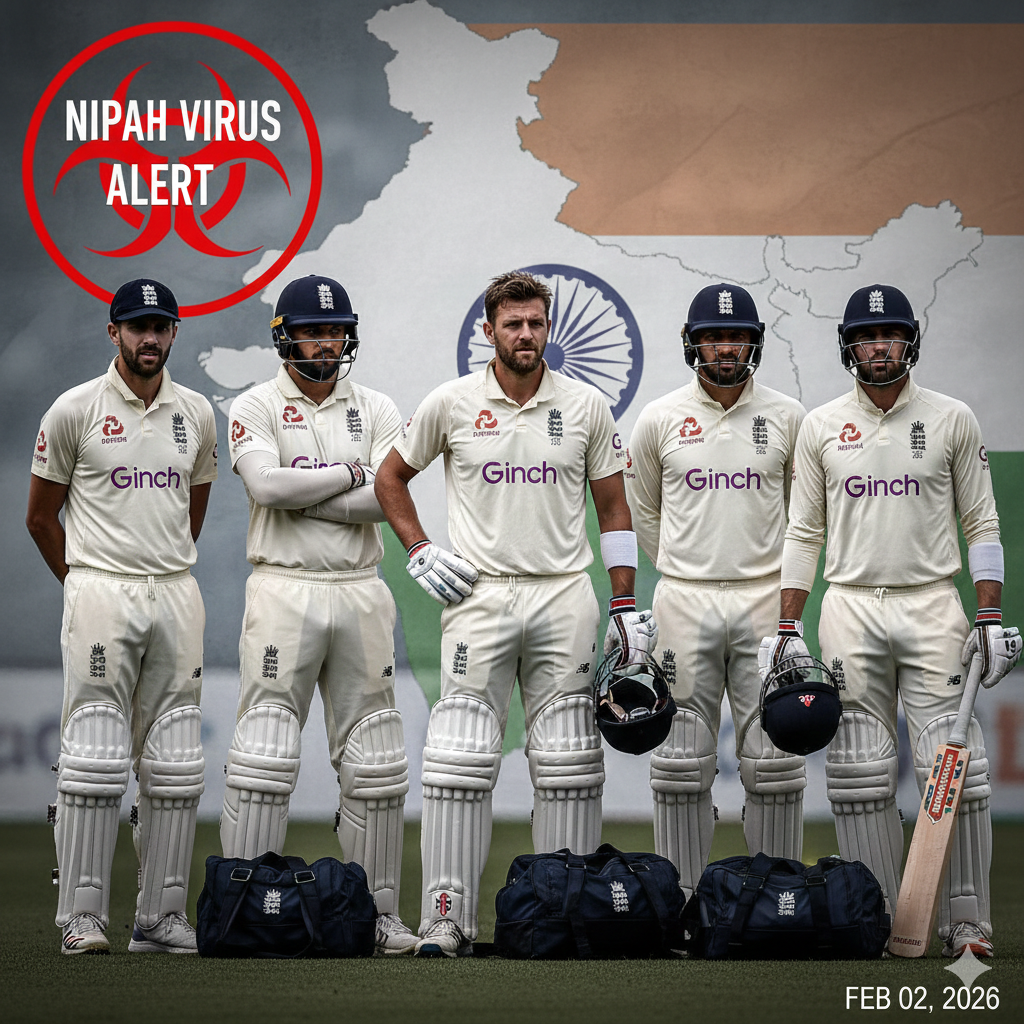
England Refuses to Travel to India Due to Nipah Virus Fears | Breaking Cricket News
Nipah Virus Outbreak Raises Serious Concerns for England’s T20 World Cup Participation
The deadly Nipah virus outbreak in India has sparked growing health concerns among international cricket teams, with England reportedly expressing serious reservations about traveling to India for the ICC Men’s T20 World Cup 2026. The tournament, scheduled to begin on February 7, faces unprecedented uncertainty as the virus outbreak in West Bengal threatens the safety of players, officials, and traveling fans.
The England cricket team’s management has raised alarm bells over the health risks posed by the Nipah virus, which has a fatality rate of up to 75% and has no approved vaccine or cure. With five confirmed cases in West Bengal, including healthcare workers in critical condition, and over 100 people quarantined, the situation has prompted emergency discussions among cricket boards worldwide.
Understanding the Nipah Virus Threat
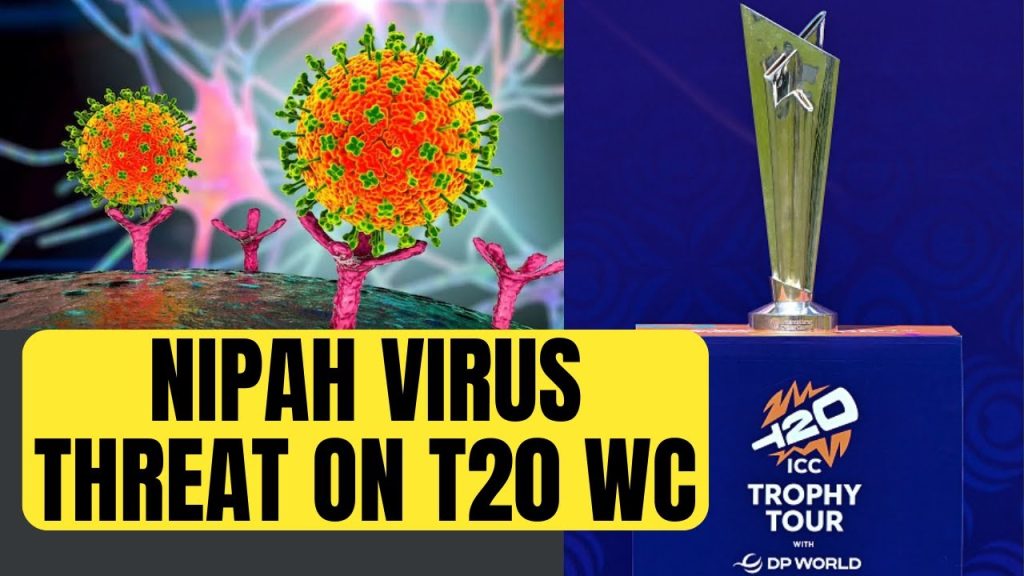
What Makes Nipah So Dangerous
The Nipah virus is a bat-borne zoonotic pathogen first identified in Malaysia in 1998. According to the World Health Organization (WHO), the virus carries an alarming fatality rate of between 40-75%, making it significantly more deadly than COVID-19. The virus spreads through fruit bats, contaminated food, and human-to-human contact, with no specific antiviral treatment available.
Key Characteristics:
- Incubation Period: 5-14 days
- Early Symptoms: Fever, headache, respiratory issues
- Severe Cases: Encephalitis, seizures, coma
- Fatality Rate: 40-75%
- Treatment: Only supportive care available
- Vaccine: No approved vaccine exists
The timing of this outbreak, just weeks before the T20 World Cup, has created a perfect storm of health and logistical concerns for participating nations.
The Current Outbreak in West Bengal
Confirmed Cases and Containment Efforts
Indian health authorities have officially confirmed five Nipah virus cases in West Bengal, with at least two nurses and one doctor among the infected. However, independent reports and regional media suggest the situation may be more serious than officially acknowledged, with allegations of underreporting.
Outbreak Details:
- Location: West Bengal, particularly around Kolkata
- Confirmed Cases: 5 (officially), potentially more
- Critical Patients: At least two nurses in critical condition
- Quarantined: Over 100 people under strict isolation
- Affected: Healthcare workers among the infected
Proximity to Cricket Venues: The outbreak’s epicenter in Barasat is approximately 30 kilometers from Eden Gardens in Kolkata, one of the major T20 World Cup venues. Eden Gardens is scheduled to host six matches, including a semi-final, raising serious concerns about player and spectator safety.
England’s Health Concerns
Why England Is Worried
The England and Wales Cricket Board (ECB) has reportedly expressed deep concerns about the health risks their players would face traveling to India. While no official statement has been issued yet, sources close to the team management suggest that England is closely monitoring the situation and consulting with health experts.
England’s Primary Concerns:
- Player Safety: Protection of team members from a deadly virus with no cure
- Medical Infrastructure: Questions about adequate healthcare facilities if players fall ill
- Emergency Evacuation: Concerns about rapid medical evacuation if needed
- Long-term Health: Potential long-term health consequences for infected individuals
- Tournament Integrity: Whether the tournament can proceed safely
England’s cautious approach follows similar concerns raised by other nations, including Pakistan’s recent decision to boycott their match against India for political reasons, creating an already turbulent atmosphere around the tournament.
International Response and Growing Alarm
Other Teams Express Concerns
England is not alone in their apprehension. Multiple international cricket boards are closely monitoring the Nipah virus situation:
Regional Screening Measures:
- Thailand: Increased screening at major airports
- Taiwan: Health checks on travelers from India
- China: Strengthening disease prevention in border areas
- Indonesia: Temperature checks and health declarations
- Nepal: Enhanced monitoring at entry points
These precautionary measures reflect growing international vigilance and concern about the potential spread of the virus beyond India’s borders.
Calls to Shift Tournament to Sri Lanka
Growing Movement for Venue Change
In light of the health concerns, there have been increasing calls to relocate all T20 World Cup fixtures from India to Sri Lanka. Proponents argue that Sri Lanka offers:
Advantages of Sri Lanka:
- Stronger health monitoring systems
- No current Nipah virus cases
- Better-equipped medical facilities
- Safer environment for international teams
- Proven capability to host major cricket events
Critics of hosting matches in India point to past issues with sporting event organization, including recent complaints from badminton players during the 2026 India Open Super 750 tournament about substandard conditions at training facilities.
ICC’s Dilemma
Tournament Organizers Face Tough Choices
The International Cricket Council finds itself in an extremely difficult position. After already removing Bangladesh from the tournament following their security concerns and replacing them with Scotland, the ICC now faces potential mass withdrawals due to health fears.
ICC’s Options:
- Proceed as Planned: Risk team withdrawals and player safety
- Relocate Matches: Move games from affected areas to safer venues
- Shift Entire Tournament: Move all matches to Sri Lanka
- Enhanced Protocols: Implement strict biosecurity measures
- Postponement: Delay tournament until outbreak is contained
The reported possibility that the entire tournament could be shifted to Sri Lanka, as claimed by 7NEWS Sydney, would represent a massive logistical challenge and financial setback for the ICC and Indian cricket.
India’s Response
BCCI Insists Situation Under Control
The Board of Control for Cricket in India (BCCI) has strongly pushed back against suggestions that the tournament should be moved, insisting that the situation is under control and poses no threat to the World Cup.
BCCI’s Position:
- Only two cases confirmed (official count)
- Outbreak contained to limited area
- No discussion of shifting matches
- Emergency protocols in place
- WHO assessment shows low risk
The Union Health Ministry stated on Tuesday that all 196 contacts linked to confirmed cases have been traced, monitored, and tested negative. They emphasized that “the situation is under constant monitoring, and all necessary public health measures are in place.”
WHO Assessment
Global Health Body’s Evaluation
The World Health Organization issued a statement on Thursday backing India’s handling of the outbreak. WHO stated:
- No requirement for travel or trade restrictions at this stage
- Likelihood of spread to other states or internationally is low
- Based on past handling, no increased human-to-human transmission
- India’s response measures deemed adequate
However, critics point out that WHO’s assessment may not fully account for the unique risks posed by a major international sporting event bringing thousands of people together in close proximity.
Financial and Logistical Implications
Massive Stakes for All Parties
The T20 World Cup represents a flagship ICC event with enormous financial implications:
Financial Impact:
- Massive broadcasting revenue at stake
- Sponsorship deals worth millions
- Tourism and hospitality sector revenue
- Ticket sales and merchandise
- Long-term cricket development funding
Any disruption due to health risks could impact sponsorships, broadcasting rights, and fan engagement significantly. Cricket boards and organizers are consulting epidemiologists and health experts to formulate response plans.
What Happens Next
Critical Days Ahead
The coming days will prove decisive in determining the tournament’s fate. Key stakeholders are watching several factors:
Critical Timeline:
- February 1-5: Final ICC decision expected
- February 7: Tournament scheduled to begin
- February 15: India vs Pakistan match (if it proceeds)
- Ongoing: Daily monitoring of virus spread
England’s decision whether to travel will likely influence other teams. If England withdraws, it could trigger a domino effect with other nations following suit.
Broader Implications for Cricket
This crisis highlights the vulnerability of international cricket to health emergencies and raises important questions about tournament planning, host country selection, and emergency protocols. The situation also demonstrates how quickly a medical emergency can threaten even the most meticulously planned sporting events.
The precedent set by this situation will likely influence how the ICC and other sporting bodies approach health risk assessment in future tournament planning.
Conclusion
The Nipah virus outbreak in India has created an unprecedented crisis for the T20 World Cup 2026, with England and potentially other teams expressing serious reservations about traveling to India. While Indian authorities insist the situation is under control and WHO has backed this assessment, the deadly nature of the virus and its proximity to major cricket venues cannot be ignored.
As the cricket world holds its breath, the next few days will determine whether the tournament proceeds as planned, relocates to safer venues, or faces the unprecedented scenario of major teams withdrawing due to health concerns. England’s decision, when officially announced, will likely shape the future of this tournament and set important precedents for international cricket.
The clock is ticking. The virus is spreading. And the cricket world waits anxiously for answers.