
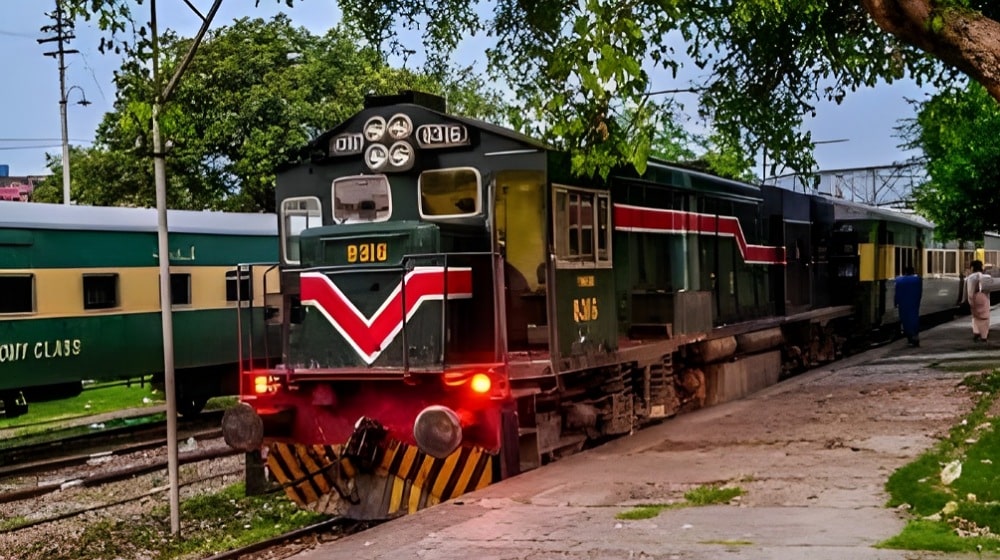
Eid Travel: 4 Special Trains Announced for Holiday Rush
Pakistan Railways has announced four special trains to manage the increased passenger demand during the upcoming Eid holidays, as thousands of travelers are expected to journey between major cities to celebrate with their families.
⚡ Quick Summary
- Four special trains scheduled between March 16-18, 2026
- Routes cover Lahore-Karachi, Quetta-Rawalpindi, Karachi-Peshawar, and Karachi-Lahore
- Additional services aim to ease Eid travel congestion across Pakistan
What Are Special Eid Trains?
Special Eid trains are defined as additional railway services operated by Pakistan Railways during major religious festivals to accommodate the surge in passenger travel. These services are specifically designed to supplement regular train schedules when millions of Pakistanis travel to their hometowns for celebrations, ensuring adequate transportation capacity during peak holiday periods.
Latest Updates on Eid Special Train Services
According to official announcements from Pakistan Railways, the railway administration has strategically scheduled these special trains to connect major urban centers with key destinations across the country. The decision comes as part of the government’s commitment to facilitate smooth travel during religious holidays.
The railway spokesperson emphasized that these additional services will significantly reduce overcrowding on regular trains and provide passengers with more comfortable travel options during the festive season.
Complete Train Schedule and Route Details
The four special trains operate on carefully selected routes to maximize coverage across Pakistan’s major cities:
| Train Route | Departure Date | Key Stops |
|---|---|---|
| Lahore to Karachi | March 16, 2026 | Okara, Sahiwal, Khanewal |
| Quetta to Rawalpindi | March 17, 2026 | Sukkur, Rahim Yar Khan, Khanewal, Lahore |
| Karachi to Peshawar | March 17, 2026 | Multiple stops en route |
| Karachi to Lahore | March 18, 2026 | Major cities along route |
Strategic Route Planning
The selected routes connect Pakistan’s most populous cities and major economic centers, ensuring maximum benefit for travelers. This strategic planning reflects the same systematic approach seen in other government initiatives covered in Pakistan News.
Benefits for Pakistani Travelers
The introduction of special Eid trains offers multiple advantages for passengers and the overall transportation system:
How to Book and Travel Information
Passengers planning to travel on these special trains should follow standard booking procedures through Pakistan Railways’ official channels:
- Advance Booking: Reserve tickets as early as possible through authorized booking offices
- Online Reservations: Use Pakistan Railways’ digital booking platform for convenient ticket purchases
- Station Booking: Visit railway stations directly for ticket purchases and travel information
- Documentation: Carry valid identification documents as required for railway travel
- Arrival Time: Arrive at departure stations well in advance to avoid last-minute complications
Impact on Pakistan’s Transportation System
The deployment of special trains during Eid represents a significant logistical operation that demonstrates Pakistan Railways’ capacity to handle increased demand. This initiative aligns with broader improvements in Pakistan’s transportation infrastructure, similar to developments in the Automobiles sector.
According to Source: ProPakistani, Pakistan Railways regularly implements such measures during major holidays, reflecting the organization’s commitment to public service during peak travel periods.
Frequently Asked Questions
When do the special Eid trains begin operating?
The first special train departs on March 16, 2026, from Lahore to Karachi, with additional services starting on March 17 and 18, 2026.
What routes are covered by the special trains?
The four special trains cover routes between Lahore-Karachi, Quetta-Rawalpindi, Karachi-Peshawar, and Karachi-Lahore, with multiple stops at major cities.
How can passengers book tickets for special trains?
Tickets can be purchased through Pakistan Railways’ official booking offices, online reservation systems, or directly at railway stations using standard booking procedures.
Are special train fares different from regular services?
Special train fares typically follow standard Pakistan Railways pricing structures, though passengers should verify current rates when booking tickets.
Do special trains offer the same amenities as regular services?
Special trains generally provide standard railway amenities and services comparable to regular train operations, ensuring passenger comfort during travel.
📚 Related Articles You May Like
Conclusion and Travel Recommendations
The announcement of four special trains for Eid travel demonstrates Pakistan Railways’ commitment to serving the public during important religious celebrations. These additional services will significantly improve travel options for millions of Pakistanis planning to celebrate Eid with their families across the country.
Travelers should plan their journeys early, book tickets in advance, and stay updated with official announcements from Pakistan Railways for the most current information about schedules and services. This proactive approach by the railway administration ensures that the joy of Eid celebrations is not diminished by transportation challenges, reflecting the government’s dedication to public welfare during significant cultural events.