
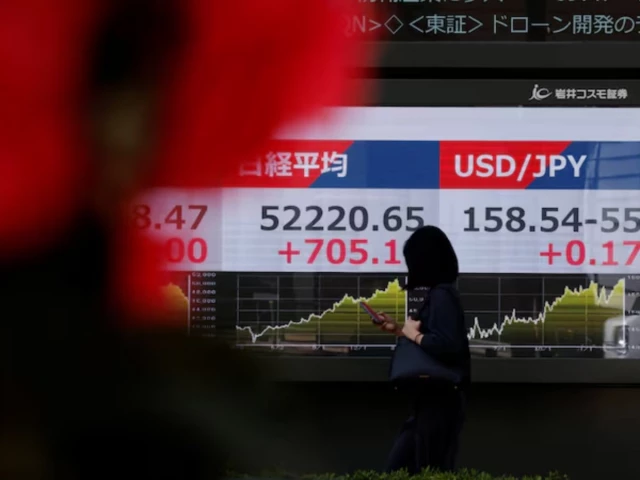
Global Stocks Rally, Oil Retreats as Ceasefire Peace Plan Raises Market Hopes
Global equity markets surged on March 25, 2026, as reports of a U.S. peace initiative for the Middle East conflict sparked cautious optimism among investors. Brent crude oil plunged 5% to near $99 per barrel following reports that the Trump administration sent a 15-point settlement proposal to Iran, with Israeli sources indicating negotiations toward a month-long ceasefire. The market movement reflects investor relief that a breakthrough in negotiations could restore Gulf oil exports and ease inflationary pressures stemming from the ongoing regional conflict.
Market Snapshot: Global Indices Rise on Peace Hopes
Stock markets across Asia, Europe, and North America posted gains on March 25, 2026, as reports of diplomatic progress sparked a “risk-on” trading environment. According to Reuters market data, S&P 500 futures rose 0.7% during Asia trading, while European futures lifted 1.2% and FTSE futures gained 0.7%—modest but positive moves reflecting investor caution about the durability of peace negotiations.
Asian equity markets demonstrated stronger conviction in peace prospects. The Japanese Nikkei 225 index jumped 3%, while Australian equities rose 2% and South Korean markets gained 2%, partially recouping losses sustained over recent weeks as Middle East tensions escalated.
“The market is trading the headlines at the moment,” noted Kerry Craig, global market strategist at J.P. Morgan Asset Management in Melbourne. “So there’s a positive tone. The difficulty is now…there are still unknowns about where this actually goes from here and whether there’s anything material in terms of a ceasefire.”
Quick Facts: Global Markets, Oil, and Peace Negotiations
- Brent Crude: Down 5% to $99/barrel on ceasefire reports (March 25, 2026)
- S&P 500 Futures: +0.7% during Asia trading
- European Futures: +1.2%
- FTSE Futures: +0.7%
- Nikkei 225 (Japan): +3%
- Australia & South Korea Markets: +2% each
- Trump’s Peace Plan: 15-point settlement proposal sent to Iran
- Proposed Ceasefire Duration: One month for negotiations (per Israeli sources)
Understanding the Ceasefire Report: Trump’s 15-Point Plan
The catalyst for Wednesday’s market rally was news that the Trump administration had submitted a comprehensive 15-point settlement proposal to Iran, according to Reuters sources. Israeli Channel 12, citing unnamed sources, reported that the United States is seeking a month-long ceasefire to allow discussions of the proposed plan.
The substance of the 15-point proposal remains undisclosed, though U.S. President Donald Trump stated on March 24, 2026, that the U.S. was making “progress in negotiating an end to the war, including winning an important concession from Tehran,” according to official statements.
However, Iranian officials have denied that direct talks with the U.S. have occurred. The official Islamic Republic News Agency (IRNA) quoted an Iranian armed forces spokesperson on March 25, 2026, as stating the U.S. is “negotiating with itself,” suggesting Tehran’s skepticism about reported diplomatic breakthroughs.
This diplomatic ambiguity—combined with uncertainty about Iran’s willingness to engage in good-faith negotiations—explains why market gains remain modest despite the positive headlines. Investors recognize that peace proposals can collapse quickly, particularly when fundamental disagreements persist between parties.
Oil Markets: Why Brent Crude Fell 5% on Ceasefire News
The 5% decline in Brent crude oil futures to approximately $99 per barrel represents a significant single-day move in energy markets. This price action reflects a direct market mechanism: if Middle East peace is restored, oil supply constraints that have driven prices upward will ease, reducing energy costs globally.
Current Oil Market Context:
Brent crude prices remain elevated at 35% above pre-war levels, trading near the $100 per barrel threshold. According to Reuters data, oil has remained under downward pressure as ceasefire negotiations suggest the possibility of restoring Persian Gulf exports.
The Persian Gulf accounts for approximately 30% of global oil production, making supply disruptions from this region extraordinarily consequential for worldwide energy prices. Traders perceive that a credible ceasefire could allow major oil exporters to resume normal production levels, flooding markets with previously constrained supply.
For energy consumers globally—including Pakistan, which imports 60-70% of petroleum requirements from Middle Eastern sources—lower oil prices directly reduce import costs and inflationary pressure on household energy expenses.
Why Markets Remained Cautious: Despite the oil price drop, traders are conscious that peace negotiations can falter. According to market analysts tracking energy price dynamics, the 5% decline in Brent reflects hope rather than confidence. A sustained ceasefire would likely result in more dramatic oil price reductions; the modest decline suggests traders expect continued volatility if peace negotiations fail.
Currency and Bond Market Dynamics: Dollar Steadies, Yields Drop
While equity markets rallied on ceasefire hopes, currency and fixed-income markets displayed more restrained movements, indicating investor hedging despite improved sentiment.
U.S. Dollar Performance:
The U.S. dollar remained relatively stable on March 25, 2026, despite moderately positive equity market conditions. According to Reuters data, the dollar traded at 158.9 yen (down marginally from recent highs) and at $1.1594 per euro—reflecting limited directional conviction in currency markets.
The dollar’s stability despite improved risk sentiment suggests that investors remain concerned about deeper economic impacts from sustained Middle East tensions. Traditionally, dollar strength reflects safe-haven demand (investors seeking currency stability during crises), while dollar weakness reflects risk-on sentiment (investors willing to take currency risk for equity returns). The dollar’s flat movement indicates mixed investor psychology.
Bond Market Signals:
U.S. Treasury yields fell modestly despite stock market gains, a counterintuitive move that reveals market stress beneath the surface. According to Reuters bond market data:
- 10-Year Treasury Yield: Fell approximately 4.4 basis points to 4.35% during Tokyo trading
- 2-Year Treasury Yield: Declined to 3.87%
In normal markets, stock rallies correlate with rising bond yields as investors rotate from “safe” government bonds into riskier equities. The fact that yields declined while stocks rose suggests bond traders expect:
- Persistent Inflation Concerns: Central banks will need to maintain higher interest rates longer, making bonds more valuable
- Economic Slowdown Risk: Persistent Middle East tensions could damage global growth, supporting bond prices
- Underlying Fragility: Despite headline equity gains, bonds reveal deeper market concerns about economic resilience
Central Bank Policy Expectations: Interest Rate Markets Signal Caution
Interest rate derivatives markets (which price trader expectations for future central bank decisions) reveal that investors expect central banks to raise interest rates aggressively in coming months to combat inflation driven by sustained energy costs.
According to Reuters market data, traders are pricing expectations for:
- Interest rate hikes in Europe: Multiple increases expected in coming months
- British rate hikes: Series of increases anticipated
- Japanese rate increases: Policy normalization expected
- Australian rate increases: Additional tightening forecast
- U.S. rate cuts: No further Federal Reserve rate cuts anticipated (markets expect rates to remain steady or rise)
This pricing reflects a key market concern: even if Middle East peace emerges, energy price damage has already been inflicted on global economies. Central banks will need to aggressively fight inflation that has already seeped into wage expectations and business pricing, supporting higher long-term interest rates even if energy prices stabilize.
Credit Market Stress: The Fragile Foundation Beneath the Rally
Beneath the surface of the stock market rally lies concerning deterioration in credit markets—a dynamic that tempered the day’s price action and highlights underlying economic fragility.
Ares Management Capital Crisis:
Ares Management, a major asset management firm with approximately $623 billion in assets under management at the end of 2025, announced on March 24, 2026, that it was capping client withdrawals from its private debt fund—a signal that the firm was facing liquidity pressures.
This move followed similar announcements from other asset managers struggling with stressed private credit positions. Ares shares fell 1% on March 25 following the withdrawal cap announcement and are down 36% year-to-date, reflecting market concerns about the firm’s portfolio quality and asset management capabilities.
Why Private Credit Stress Matters:
Private credit (loans issued by non-traditional lenders outside banking systems) has grown dramatically over the past decade. According to asset management industry data, private credit funds manage approximately $2 trillion globally, but many face stressed positions due to:
- Rising Interest Rates: Borrowers struggling to service debt as central banks raised rates to combat inflation
- Business Model Stress: Companies borrowing at higher rates face profitability pressures
- Liquidity Risk: Private credit is inherently less liquid than publicly traded bonds; redemption pressures can force asset sales
- Contagion Risk: Private credit stress can spread to broader financial markets if major firms face forced liquidations
Ares Management’s withdrawal cap signals that private credit markets face deeper stress than equity rally headlines suggest. According to market observers, this credit market deterioration represents a systemic risk that could derail equity market gains if it accelerates.
Analyst Perspective: Market Caution Despite Positive Headlines
Market professionals trading multiple asset classes voiced cautious assessments of the ceasefire-driven rally, highlighting the fragility of recent gains.
Marc Velan, head of investments at Lucerne Asset Management in Singapore, provided a sobering assessment on March 25, 2026:
“For now, it feels like a market that is reacting rather than anticipating, and until there is clearer alignment from both sides, I would expect price action to remain fragile. People are reluctant to chase moves that are entirely headline-driven and can reverse quickly.”
Velan’s commentary highlights a key market risk: if ceasefire negotiations fail (which historical precedent suggests is likely), markets that have rallied on hopes could experience sharp reversals. The analyst’s warning that traders are “reluctant to chase” the rally suggests institutional investors are employing risk management and position hedging rather than aggressive buying.
Implications for Emerging Markets and Pakistan
The Mideast ceasefire reports and resulting oil price decline carry significant implications for emerging market economies including Pakistan, which faces acute vulnerability to energy price shocks.
Pakistan’s Oil Dependency:
Pakistan imports approximately 60-70% of petroleum requirements from Middle Eastern sources, making energy costs a critical variable in the country’s inflation rate and trade deficit. Oil price reductions of 5% per barrel translate to meaningful savings in Pakistan’s energy import bills.
At current prices ($99/barrel for Brent crude), a 5% price reduction saves Pakistan approximately $5 per barrel purchased. Given Pakistan’s annual petroleum import volume of approximately 28-30 million barrels (based on Ministry of Petroleum data), a sustained price decline of $5/barrel would reduce annual import costs by approximately $140-150 million—funds that could be redirected to other economic priorities or deficit reduction.
Inflation and Central Bank Policy:
The State Bank of Pakistan has maintained elevated policy rates (currently around 16-17% at peak levels in 2024-2025) primarily to combat inflation driven by energy costs and previous currency devaluation. Lower oil prices could provide relief, potentially allowing the central bank to consider more gradual rate cuts.
Lower energy costs would reduce demand-pull inflation pressures, supporting State Bank decisions to begin monetary policy normalization in 2026-2027. This would benefit Pakistani borrowers and businesses facing high borrowing costs from previously elevated rates.
Forward-Looking: Market Expectations and Risks Ahead
The current market environment reflects competing forces that will drive financial markets over coming weeks:
Bullish Case for Further Gains:
- Successful ceasefire negotiations restore Middle East peace
- Oil prices continue declining toward $70-80/barrel range
- Global inflation moderates, allowing central banks to cut rates
- Equity markets rally as economic growth prospects improve
Bearish Case for Market Decline:
- Iran rejects ceasefire proposal; negotiations collapse
- Market rallies reverse sharply; oil prices spike toward $120-130/barrel
- Private credit stress spreads; asset manager failures trigger broader crisis
- Central banks maintain elevated rates longer, pressuring equity valuations
Most Likely Scenario (Per Analysts): Market observers suggest a muddled middle ground—continued diplomatic negotiations produce incremental progress but no breakthrough, oil remains volatile in $90-110 range, and equity markets consolidate recent gains with heightened volatility.
According to trading professionals, the next critical events for market direction will be:
- Iran’s official response to Trump’s 15-point proposal (expected within days)
- Ceasefire implementation details (whether both sides agree to verification mechanisms)
- Oil export resumption (physical evidence that Persian Gulf production is normalizing)
Frequently Asked Questions (AEO – Answer Engine Optimization)
Q1: Why did stock markets rise on March 25, 2026?
Global stock markets rose on March 25, 2026, following reports that the Trump administration sent Iran a 15-point peace settlement proposal and was seeking a month-long ceasefire. According to Reuters, this raised investor hopes that Middle East peace negotiations could succeed, potentially restoring Persian Gulf oil exports and easing inflation pressures. S&P 500 futures rose 0.7%, European futures 1.2%, and Asian indices including Japan’s Nikkei jumped 3%.
Q2: Why did Brent crude oil fall 5% to $99/barrel?
Brent crude dropped 5% to approximately $99 per barrel on ceasefire news because investors expect that peace negotiations could restore disrupted Middle East oil production. The Persian Gulf accounts for roughly 30% of global oil supply; a successful ceasefire would allow major exporters to resume normal production, increasing oil supply and reducing prices. Current prices remain 35% above pre-war levels, so even a 5% decline reflects cautious optimism rather than confidence in peace success.
Q3: What is Trump’s 15-point peace plan for Iran?
The specific details of Trump’s 15-point settlement proposal to Iran remain undisclosed. According to Reuters sources, the U.S. administration submitted the plan to Iran on or before March 25, 2026, and Israeli Channel 12 reported that the U.S. is seeking a month-long ceasefire to discuss the proposal. However, Iran has denied direct talks have occurred, with the Iranian armed forces spokesperson claiming the U.S. is “negotiating with itself,” suggesting diplomatic ambiguity about the proposal’s status.
Q4: How does lower oil affect Pakistan’s economy?
Pakistan imports 60-70% of petroleum requirements from Middle Eastern sources. A 5% drop in Brent crude ($5/barrel) reduces Pakistan’s annual petroleum import costs by approximately $140-150 million (based on ~28-30 million barrels annual imports). Lower energy costs reduce inflation, potentially allowing the State Bank of Pakistan to cut interest rates more quickly. This reduces borrowing costs for businesses and consumers while improving the country’s trade deficit.
Q5: Why are credit markets showing stress despite stock gains?
Asset manager Ares Management capped client withdrawals from its private debt fund on March 24, 2026, signaling liquidity stress in private credit markets. Ares manages $623 billion in assets but saw its share price fall 36% year-to-date, reflecting concerns about private credit portfolio quality. Private credit stress matters because $2 trillion in global private credit assets could experience forced liquidations if stress accelerates, potentially spreading to broader financial markets.