
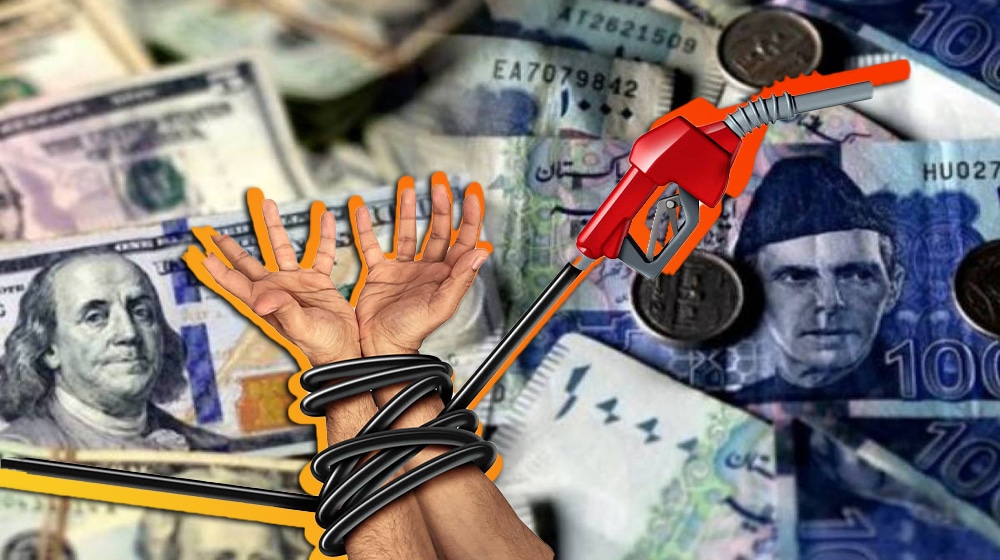
Rs. 100 Petrol Levy Maintained by Govt Despite Price Concerns
The Pakistani government has officially decided to maintain petroleum levy above Rs. 100 per litre on petrol while introducing a substantial Rs. 23 billion subsidy package to stabilize fuel prices. This strategic move aims to balance government revenue collection with consumer affordability during volatile global oil market conditions.
⚡ Quick Summary
- Petroleum levy remains at Rs. 105.37 per litre on petrol
- Government provides Rs. 23 billion subsidy through March 14-20
- Prime Minister’s Austerity Fund established with Rs. 27.1 billion
- Petrol price maintained at Rs. 321.17 per litre
What is Pakistan’s Petroleum Levy Policy?
Pakistan’s petroleum levy policy is defined as a government-imposed tax mechanism on fuel products to generate revenue while regulating domestic fuel prices. The levy functions as a direct tax collected from oil marketing companies, which then pass the cost to consumers through retail fuel pricing structures.
Current Petroleum Levy Structure and Pricing Details
The federal government has maintained the petroleum levy at Rs. 105.37 per litre for petrol and Rs. 55.24 per litre for diesel. Current retail prices stand at Rs. 321.17 per litre for petrol and Rs. 335.86 per litre for diesel, effective until the next scheduled petroleum price review.
| Fuel Type | Current Price (Rs/Litre) | Petroleum Levy | Government Subsidy |
|---|---|---|---|
| Petrol | Rs. 321.17 | Rs. 105.37 | Rs. 49.63 |
| Diesel | Rs. 335.86 | Rs. 55.24 | Rs. 75.05 |
Government Subsidy Mechanism and Implementation
The Pakistani government will provide Rs. 49.63 per litre subsidy on petrol and Rs. 75.05 per litre subsidy on diesel during the March 14-20 period. These subsidies will be disbursed to oil marketing companies through price differential claims, totaling Rs. 23 billion in government expenditure.
The Oil and Gas Regulatory Authority (OGRA) will oversee the verification and auditing process for bills submitted by oil marketing companies before releasing subsidy payments. This ensures transparent distribution of government funds within the petroleum sector.
Prime Minister’s Austerity Fund and Economic Impact
The Economic Coordination Committee (ECC) has approved establishing a Prime Minister’s Austerity Fund with Rs. 27.1 billion allocation. Out of this substantial amount, Rs. 23 billion will be specifically transferred to OGRA for covering fuel price subsidies, demonstrating the government’s commitment to maintaining affordable fuel prices.
This strategic financial move reflects Pakistan’s broader Economy & Business policy aimed at balancing revenue generation with public welfare during challenging global economic conditions.
Impact on Pakistan’s Automobile and Transportation Sector
The petroleum levy maintenance significantly affects Pakistan’s Automobiles sector and transportation industry. Vehicle owners and commercial transport operators continue facing elevated fuel costs despite government subsidies, influencing overall transportation economics across the country.
Public and private transportation services will experience continued pressure on operational costs, potentially affecting fare structures and service delivery throughout Pakistan’s major cities and rural areas.
Price Review Timeline and Future Projections
The current petroleum levy structure remains effective until the next scheduled petroleum price review. Government officials have indicated that future pricing decisions will depend on international oil market fluctuations, domestic economic conditions, and available fiscal resources for subsidy continuation.
How the Price Differential Payment System Works
- Government Subsidy Calculation: Authorities calculate per-litre subsidy amounts based on international oil prices and domestic pricing targets.
- Oil Marketing Company Claims: Companies submit verified bills to OGRA detailing subsidy requirements and fuel distribution volumes.
- OGRA Verification Process: Regulatory authority audits submitted claims to ensure accuracy and compliance with established guidelines.
- Fund Disbursement: Government transfers approved subsidy amounts to qualifying oil marketing companies through official payment channels.
- Price Stabilization: Companies maintain government-approved retail prices while receiving compensation for price differentials.
Frequently Asked Questions About Petroleum Levy Policy
Why does the government maintain petroleum levy above Rs. 100 per litre?
The government maintains high petroleum levy rates to generate essential revenue for national budget requirements while balancing fuel affordability through targeted subsidies during specific periods.
How long will the Rs. 23 billion fuel subsidy continue?
The current Rs. 23 billion subsidy package covers the March 14-20 period, with future subsidy decisions dependent on government fiscal capacity and market conditions.
Who benefits from the petroleum price differential payments?
Oil marketing companies receive direct payments to compensate for selling fuel below market rates, while consumers benefit from stabilized retail fuel prices during the subsidy period.
What role does OGRA play in fuel pricing decisions?
OGRA functions as the regulatory oversight body, verifying subsidy claims, auditing oil company bills, and ensuring transparent distribution of government fuel subsidies.
Will petroleum levy rates change in future price reviews?
Petroleum levy rates may adjust based on government revenue requirements, international oil market conditions, and domestic economic priorities during scheduled price review periods.
📚 Related Articles You May Like
Conclusion and Key Takeaways
Pakistan’s decision to maintain petroleum levy above Rs. 100 per litre while providing Rs. 23 billion in subsidies demonstrates a balanced approach to fiscal management and consumer welfare. The establishment of the Prime Minister’s Austerity Fund with Rs. 27.1 billion allocation shows government commitment to economic stability during challenging times.
Stay updated with the latest Pakistan News and petroleum pricing developments through our comprehensive coverage. For additional information, visit Source: ProPakistani for regular updates on Pakistan’s economic policies and fuel pricing decisions.