
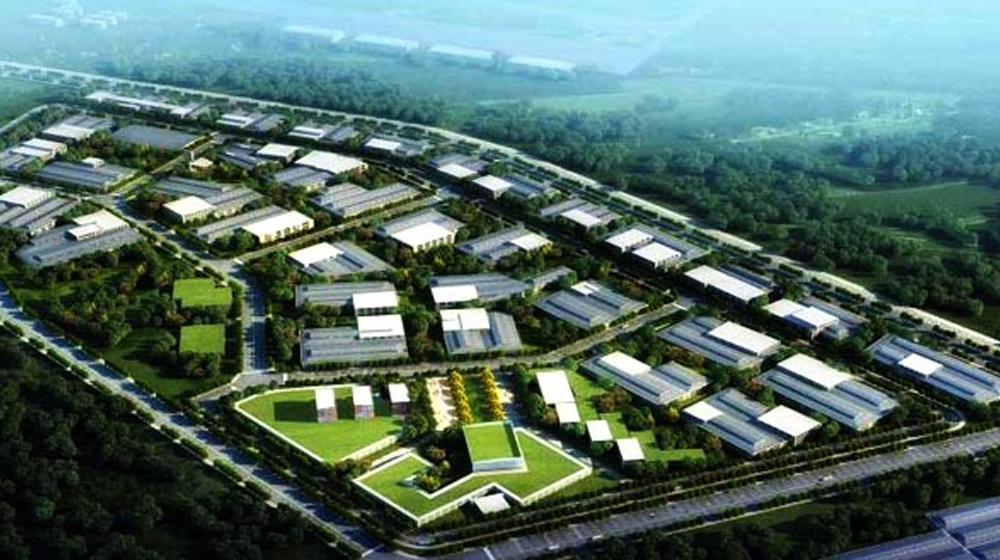
Faisalabad Industries Relocate to Cut Pollution in New Zones
Faisalabad authorities have initiated a comprehensive plan to relocate 187 polluting industrial units from urban areas to designated zones outside the city limits. The District Industrial Relocation Committee has formally requested land allocation from the District Revenue Collector to establish new industrial zones that will significantly reduce environmental pollution affecting public health.
⚡ Quick Summary
- 187 polluting industries identified for relocation outside Faisalabad
- 1,090.8 kanals of government land required for new industrial zones
- Comprehensive consultations with stakeholders and industrialists ongoing
What is Industrial Relocation in Faisalabad?
Industrial relocation in Faisalabad is defined as the systematic transfer of pollution-causing manufacturing units from densely populated urban areas to designated industrial zones outside the city boundaries. This environmental protection initiative aims to reduce air and water contamination while maintaining the city’s industrial capacity and economic growth.
Key Details of the Relocation Plan
Faisalabad Commissioner Raja Jahangir Anwar chaired a crucial meeting where Director General Asif Chaudhry presented detailed findings from extensive stakeholder consultations. The Technology-driven survey process identified specific industries requiring immediate relocation based on their pollution output levels.
The Revenue Department has been directed to compile comprehensive reports on available government land suitable for establishing modern industrial zones. This initiative represents a significant shift in Pakistan’s industrial planning approach, similar to Economy & Business development strategies in other major cities.
How the Industrial Relocation Process Works
The relocation process operates through a structured three-phase approach overseen by the District Industrial Relocation Committee. Phase one focuses on industries occupying one acre or more, requiring approximately 1,090.8 kanals of designated land for proper establishment.
Stakeholder Consultation Framework
Divisional administration officials have completed comprehensive consultations with various stakeholders, including industrialists, traders, and community representatives. These meetings address the Charter of Demands submitted by industrial associations and ensure smooth transition processes.
Environmental and Economic Benefits
The relocation initiative will significantly improve air quality in Faisalabad’s residential areas while maintaining the city’s position as Pakistan’s industrial hub. Similar environmental protection measures have been implemented globally, and this Pakistan News development aligns with international best practices.
Public Health Impact
Medical experts anticipate substantial improvements in respiratory health conditions among Faisalabad residents once the polluting industries relocate. The current industrial pollution contributes significantly to air quality deterioration in urban areas, affecting thousands of families daily.
Implementation Timeline and Requirements
| Phase | Requirements | Timeline |
|---|---|---|
| Phase 1 | 1,090.8 kanals for large industries | Priority implementation |
| Phase 2 | Medium-scale industries | Following phase 1 completion |
| Phase 3 | Small-scale polluting units | Final phase implementation |
The comprehensive approach ensures systematic relocation while minimizing disruption to industrial operations and employment. According to Source: ProPakistani, this initiative represents one of Pakistan’s largest industrial relocation projects.
Frequently Asked Questions
Which industries are prioritized for immediate relocation?
The 187 identified industries causing significant water and air pollution receive priority, particularly those occupying one acre or more of land within municipal limits.
How will the government support relocating industries?
The government provides allocated land in designated zones and facilitates the transition process through the District Industrial Relocation Committee’s comprehensive support framework.
What happens to employment during the relocation process?
Industries maintain their workforce during relocation, with new zones designed to provide better working conditions and continued employment opportunities for local residents.
How long will the complete relocation process take?
The phased approach ensures systematic implementation, with priority industries relocating first, followed by medium and small-scale operations based on available land allocation.
Will new industrial zones have modern pollution control systems?
Yes, the new zones will incorporate advanced environmental protection measures and modern infrastructure to prevent future pollution issues while supporting industrial growth.
📚 Related Articles You May Like
Conclusion and Future Outlook
Faisalabad’s industrial relocation initiative marks a significant milestone in Pakistan’s environmental protection efforts while maintaining economic growth momentum. The systematic approach ensures minimal disruption to business operations while delivering substantial public health benefits to urban residents.
Stay updated with the latest developments in this important environmental initiative by following our comprehensive coverage of Economy & Business news. The successful implementation of this project will serve as a model for other Pakistani cities facing similar industrial pollution challenges.