
Trump vs House GOP: Clashing Midterm Strategies Revealed
House Republicans and Donald Trump have different strategies for approaching the upcoming midterm elections, creating a notable divide within the party. While Trump emphasizes voter identification laws and social issues, House GOP leaders focus on economic relief and affordability measures for American families.
⚡ Quick Summary
- Trump promotes SAVE America Act focusing on voter ID and mail ballot restrictions
- House Republicans prioritize tax cuts and economic relief measures
- GOP faces potential loss of congressional majority with narrow margin
- Party leaders emphasize “real results for real people” approach
What Are the Competing Republican Strategies?
The Republican midterm strategies are defined as two distinct approaches to securing electoral success. Trump’s strategy centers on voting legislation and cultural issues, while House Republican leadership emphasizes economic policies designed to reduce costs for working families. This strategic disconnect emerged clearly during the House GOP annual ideas conference in Doral, Florida.
Trump’s SAVE America Act Focus
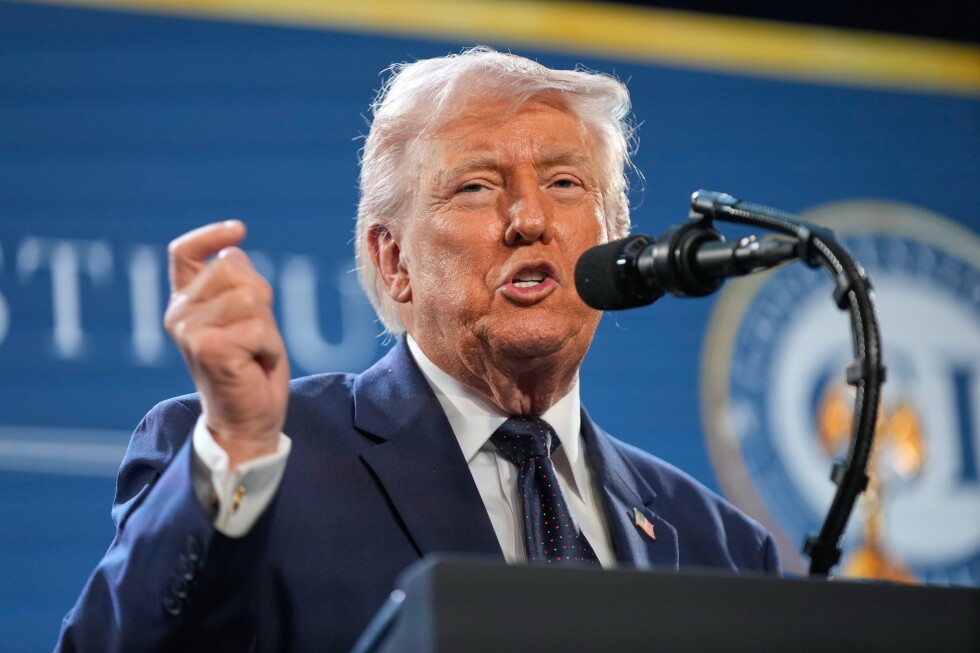
During his address at his golf course in Doral, Florida, Trump presented the SAVE America Act as his primary solution for Republican midterm success. The legislation, previously known as the SAVE Act, aims to strengthen national voter identification requirements and restrict mail-in voting procedures. Trump declared to the assembled Republicans, “It’ll guarantee the midterms. If you don’t get it, big trouble.”
The former president’s approach also includes provisions addressing transgender rights restrictions. Trump believes these cultural and voting-related issues will mobilize the Republican base effectively for the midterm elections. However, this focus contrasts sharply with the priorities outlined by current House leadership.
House Republican Leadership Priorities
House Republican leaders revealed their midterm strategy less than 24 hours after Trump’s presentation, showcasing markedly different priorities. Rep. Lisa McClain of Michigan, serving as House GOP conference chair, emphasized “real results for real people” through specific economic measures including tax cuts for families, energy independence initiatives, and proposed Trump accounts for newborns.
House Majority Leader Steve Scalise of Louisiana highlighted collaborative efforts with Trump to “make life more affordable for working families.” Meanwhile, House Majority Whip Tom Emmer of Minnesota focused on the party’s economic achievements, stating that “working families are keeping more of their hard-earned money in their pockets.”
The Electoral Mathematics Challenge
House Republicans currently face a precarious position, sitting just a few seats away from losing their majority. This narrow margin creates significant challenges for passing legislation and requires careful strategic planning for the midterms. The party must balance Trump’s influence with practical governance concerns while appealing to diverse voter constituencies.
The strategic disconnect reflects broader tensions within the Republican Party between Trump-focused messaging and traditional conservative economic policies. This division could impact voter turnout and campaign effectiveness in competitive districts across the country.
| Strategy | Key Focus Areas | Target Audience |
|---|---|---|
| Trump’s Approach | Voter ID laws, mail ballot restrictions, cultural issues | Conservative base voters |
| House GOP Leadership | Tax cuts, energy independence, economic relief | Working families, swing voters |
Impact on Congressional Governance
The competing strategies reflect practical challenges facing House Republicans in governing with a slim majority. Senior Republicans recognize that ambitious legislative goals require broader coalition building, which economic messages might facilitate more effectively than divisive social issues. The party’s focus on cost reduction and tax relief aims to demonstrate tangible benefits to constituents.
These governance challenges intersect with broader United States News trends, as political parties worldwide grapple with balancing populist appeals against practical policy implementation.
Timeline and Key Developments
The strategic differences emerged prominently during the House Republican annual ideas conference held in Doral, Florida. Trump’s presentation on Monday outlined his vision for midterm success, while House leadership revealed their contrasting priorities within 24 hours. This rapid succession highlighted the immediate nature of the strategic divide within the party.
The conference concluded on Wednesday, with House Republicans expected to finalize their unified messaging strategy for the upcoming campaign season. The resolution of these strategic differences will likely influence Republican electoral prospects significantly.
Frequently Asked Questions
What is the SAVE America Act that Trump promotes?
The SAVE America Act is Trump’s rebranded version of previous voting legislation that strengthens national voter identification requirements, restricts mail-in voting procedures, and includes provisions on transgender rights. Trump believes this legislation is crucial for Republican midterm success.
How narrow is the Republican House majority?
House Republicans currently hold a very slim majority, with only a few seats separating them from losing control of the chamber. This narrow margin makes every seat crucial in the upcoming midterm elections.
What economic policies do House Republicans prioritize?
House GOP leadership focuses on tax cuts for families, energy independence initiatives, and proposed Trump accounts for newborns. These policies aim to make life more affordable for working families and demonstrate “real results for real people.”
Why do Trump and House Republicans have different strategies?
The strategic differences reflect varying approaches to winning elections. Trump emphasizes base mobilization through cultural and voting issues, while House leadership focuses on broader appeal through economic relief measures that could attract swing voters.
When will Republicans finalize their midterm strategy?
Following the conclusion of the House Republican annual ideas conference in Doral, Florida, party leaders are expected to work toward unified messaging that potentially incorporates elements from both approaches for the upcoming campaign season.
📚 Related Articles You May Like
Conclusion and Moving Forward
The Republican Party faces a critical decision in reconciling Trump’s voter-focused strategy with House leadership’s economic approach for the midterm elections. Success likely depends on finding common ground that satisfies both the conservative base and swing voters concerned about economic issues. As reported by Source: AP News US, this strategic divide will significantly influence Republican electoral prospects.
Party unity and clear messaging will determine whether Republicans can maintain their narrow House majority. The coming weeks will reveal whether leadership can successfully merge these competing strategies into a cohesive campaign approach that resonates with diverse voter constituencies across America.