
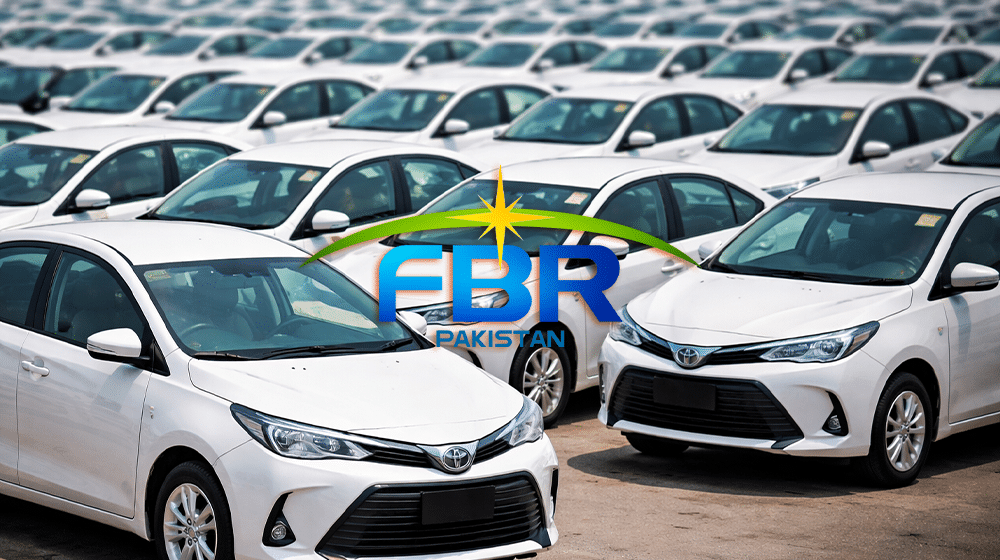
FBR Austerity: Tax Authority Bought 1,000+ Cars for Officers
The Federal Board of Revenue (FBR) has implemented strict austerity measures following its controversial purchase of over 1,000 Honda City vehicles for tax officers, raising questions about government spending priorities. This sudden shift to cost-cutting comes after the massive fleet expansion failed to deliver expected revenue improvements, prompting Prime Minister Shehbaz Sharif to enforce comprehensive spending controls across all government departments.
⚡ Quick Summary
- FBR purchased 1,000+ Honda City cars for revenue officers before implementing austerity
- New measures require 60% of official vehicles to be parked and 50% fuel reduction
- Senior officials requested to surrender two days’ salary voluntarily
- Weekly oversight reports mandatory to ensure compliance with cost-cutting measures
What is FBR Austerity Plan?
The FBR austerity plan is defined as a comprehensive cost-reduction strategy implemented by Pakistan’s tax collection agency following government directives to minimize expenditures amid economic challenges. This initiative encompasses vehicle usage restrictions, salary contributions from senior staff, and operational cost reductions across all Federal Board of Revenue offices nationwide.
Latest Austerity Measures Implementation
The Federal Board of Revenue has rolled out comprehensive spending restrictions following Prime Minister Shehbaz Sharif’s directive to implement government-wide cost controls. These measures represent a dramatic shift from the organization’s recent spending pattern, particularly following the acquisition of more than 1,000 new Honda City vehicles for revenue collection officers.
According to Source: ProPakistani, the new policy requires immediate implementation across all FBR offices throughout Pakistan, with weekly compliance reports now mandatory for monitoring purposes.
How the Cost-Cutting Strategy Works
The FBR’s austerity implementation operates through multiple mechanisms designed to reduce operational expenses significantly. The vehicle restriction policy mandates that 60 percent of all official cars must remain parked, while fuel expenditures face a mandatory 50 percent reduction across all departments.
Staff management has been restructured to include remote work arrangements, with up to half of the workforce now operating from home to minimize operational costs. For employees in grades BS-1 to BS-16, departments must implement rotation systems to ensure continued operations while reducing office-related expenses. This Technology-enabled approach allows the organization to maintain productivity while cutting costs.
Oversight and Compliance Mechanisms
A dedicated oversight committee has been established to monitor implementation effectiveness, requiring weekly reports from all FBR offices nationwide. This systematic approach ensures accountability and tracks progress toward spending reduction targets across different operational areas.
Impact on FBR Operations and Staff
The austerity measures directly affect thousands of FBR employees and operational procedures nationwide. Senior officials in BS-20 grades and above face voluntary salary contribution requests, specifically surrendering two days’ pay as part of the cost-cutting initiative.
Non-employee related expenditure (Non-ERE) budgets have been slashed by 20 percent, affecting operational supplies, office maintenance, and administrative costs. This reduction impacts daily operations significantly, forcing departments to prioritize essential expenses while eliminating non-critical spending.
| Measure Category | Reduction Target | Implementation Method |
|---|---|---|
| Vehicle Usage | 60% Fleet Parking | Mandatory vehicle restrictions |
| Fuel Expenses | 50% Reduction | Usage monitoring and limits |
| Workforce Operations | 50% Remote Work | Work-from-home arrangements |
| Non-ERE Budget | 20% Cut | Administrative expense reduction |
Economic Context and Regional Challenges
These austerity measures reflect broader economic pressures facing Pakistan’s government amid regional challenges and fiscal constraints. The timing coincides with increased focus on Economy & Business reforms designed to stabilize government finances and reduce unnecessary expenditures.
The contradiction between recent large-scale vehicle purchases and immediate cost-cutting measures highlights the complex nature of government financial planning during economic uncertainty. This situation has drawn attention from Pakistan News analysts questioning the effectiveness of such contradictory policies.
Implementation Timeline and Monitoring
All FBR offices across Pakistan have received strict instructions to implement these cost-cutting measures immediately, with compliance monitoring beginning through weekly reporting requirements. The oversight committee will track implementation progress and identify areas requiring additional attention or adjustment.
The mandatory reporting system ensures accountability while providing data for future policy adjustments. This systematic approach allows authorities to measure the effectiveness of each cost-cutting measure and make necessary modifications to achieve desired savings targets.
📚 Related Articles You May Like
Frequently Asked Questions
Why did FBR implement austerity measures after buying 1,000+ cars?
The FBR implemented austerity measures because the massive vehicle purchase failed to generate expected revenue improvements, prompting government-wide cost-cutting directives from Prime Minister Shehbaz Sharif amid economic challenges.
What percentage of FBR vehicles must be parked under new rules?
Under the new austerity measures, 60 percent of all official FBR vehicles must remain parked, while fuel expenditures must be reduced by 50 percent across all departments.
How does the remote work policy affect FBR employees?
Up to 50 percent of FBR workforce will work from home to reduce operational costs, while employees in grades BS-1 to BS-16 will follow rotation systems to maintain office operations efficiently.
What salary contributions are senior FBR officials making?
Senior officials in BS-20 grades and above have been requested to voluntarily surrender two days’ salary as part of the government’s austerity initiative to demonstrate leadership commitment to cost reduction.
How will FBR monitor compliance with austerity measures?
An oversight committee has been formed requiring mandatory weekly implementation reports from all FBR offices nationwide to ensure strict compliance with the new cost-cutting measures and track progress.
Conclusion and Future Outlook
The Federal Board of Revenue’s sudden shift to austerity measures following its controversial vehicle procurement highlights the challenging balance between operational needs and fiscal responsibility. While these cost-cutting measures may provide short-term savings, their long-term effectiveness depends on consistent implementation and monitoring across all FBR operations.
Stay updated with the latest developments in government policy changes and economic measures by following our comprehensive coverage of Pakistan News and policy implementations affecting citizens nationwide.