
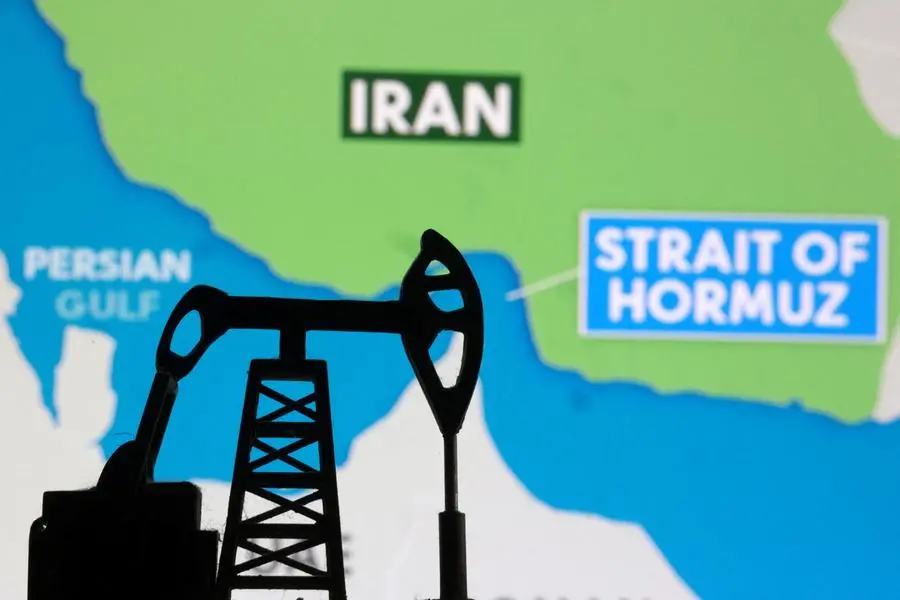
Oil Prices Surge Past $110 on Hormuz Strait Shutdown Fears
Crude oil prices soar above $110 per barrel as the strategic Strait of Hormuz remains closed, creating severe supply disruptions across global markets. The unprecedented closure has forced major Middle Eastern producers to implement emergency production cuts, triggering the largest weekly oil price surge in decades.
⚡ Quick Summary
- West Texas Intermediate jumps 20% to $109.27, Brent crude rises 18% to $110.70
- Strait of Hormuz closure disrupts one-fifth of global oil supply
- Iraq’s southern oilfields see 70% production drop to 1.3 million barrels daily
- Kuwait implements precautionary production cuts citing security concerns
What is the Strait of Hormuz Oil Crisis?
The Strait of Hormuz oil crisis is defined as a major supply disruption caused by the closure of the world’s most critical oil shipping route. This strategic waterway, located between Iran and the Arabian Peninsula, typically handles approximately 20% of global petroleum liquids transit, making it essential for international energy security.
Latest Market Updates and Price Movements
Global oil markets experienced unprecedented volatility as prices reached critical levels not seen in years. U.S. benchmark West Texas Intermediate crude futures surged dramatically, posting a remarkable 20% single-day gain to reach $109.27 per barrel. Meanwhile, international Brent crude oil futures climbed more than 18% to settle at $110.70 per barrel.
The weekly performance data reveals the severity of the situation, with U.S. crude oil posting approximately 35% gains over seven trading days. This surge represents the largest weekly percentage increase since the inception of oil futures contracts four decades ago, highlighting the market’s concern over prolonged supply constraints.
Production Cuts Across Major Oil Producers
Kuwait’s Emergency Response Measures
Kuwait, recognized as OPEC’s fifth-largest oil producer, announced comprehensive production reductions on Saturday. The state-owned Kuwait Petroleum Corporation implemented precautionary cuts affecting both crude oil extraction and refinery operations. Officials cited direct threats to maritime vessel safety while transiting the Strait of Hormuz as the primary reason for these emergency measures.
Iraq’s Severe Output Reductions
Iraq faces the most dramatic production losses among affected nations. Industry sources report that output from the country’s three primary southern oilfields has plummeted by approximately 70%, dropping from 4.3 million barrels per day to just 1.3 million barrels daily. This massive reduction significantly impacts global supply calculations and market stability.
UAE’s Strategic Production Management
The United Arab Emirates, OPEC’s third-largest producer, adopted a measured approach to the crisis. UAE officials confirmed they are carefully managing offshore production levels to address storage capacity constraints, while onshore operations continue without major disruptions.
Global Economic Impact and Market Consequences
The oil price surge creates significant implications for economies worldwide, including Pakistan’s energy-dependent sectors. Rising crude costs typically translate into higher fuel prices, affecting everything from Automobiles to transportation and manufacturing industries.
International markets are closely monitoring developments, as sustained high oil prices could contribute to inflationary pressures globally. Central banks may need to adjust monetary policies to address potential economic impacts from prolonged energy cost increases.
Strategic Importance of Hormuz Shipping Route
The Strait of Hormuz serves as a critical chokepoint for global energy trade, connecting Persian Gulf oil producers with international markets. This narrow waterway, measuring just 21 miles at its narrowest point, facilitates the movement of approximately 17 million barrels of petroleum products daily under normal conditions.
| Country | Production Impact | Response Measures |
|---|---|---|
| Kuwait | Precautionary cuts | Reduced crude and refinery output |
| Iraq | 70% reduction | Southern oilfields limited operations |
| UAE | Managed reductions | Offshore production adjustments |
Technology Solutions and Alternative Routes
Energy companies are exploring Technology solutions to minimize disruption impacts. Alternative shipping routes, including pipeline networks and longer maritime paths, are being evaluated to maintain supply chain continuity. However, these alternatives typically involve higher transportation costs and longer delivery timeframes.
Digital monitoring systems and satellite tracking technologies are helping companies optimize remaining transportation routes and coordinate supply deliveries more efficiently during this challenging period.
📚 Related Articles You May Like
Frequently Asked Questions
How long might the Strait of Hormuz remain closed?
Currently, no official timeline has been provided for reopening the Strait of Hormuz. The duration depends on ongoing geopolitical developments and regional security conditions.
Will Pakistan face fuel shortages due to this crisis?
Pakistan may experience supply chain impacts and price increases, but the country maintains strategic petroleum reserves and diversified import sources to manage short-term disruptions.
What alternative routes exist for oil transportation?
Alternative routes include pipeline networks through Saudi Arabia and UAE, as well as longer maritime routes around the Arabian Peninsula, though these options involve higher costs and extended transit times.
How do oil price increases affect ordinary consumers?
Rising crude oil costs typically lead to higher gasoline, diesel, and heating oil prices, which can increase transportation costs and general commodity prices throughout the economy.
Are there emergency oil reserves available globally?
Yes, major consuming nations maintain strategic petroleum reserves specifically for supply disruption scenarios. The International Energy Agency coordinates emergency response measures when necessary.
Market Outlook and Next Steps
Financial markets continue monitoring developments closely as the oil crisis unfolds. Energy analysts recommend tracking production restoration efforts and diplomatic initiatives aimed at resolving the underlying conflicts causing the Strait of Hormuz closure.
Investors and consumers should prepare for potential continued volatility until normal shipping operations resume through this critical energy corridor. Stay informed about the latest developments through reliable Pakistan News sources and official government updates.