
Middle East Crisis Threatens Toyota Production in Pakistan
Indus Motor Company (IMC), Pakistan’s official Toyota assembler, has issued a stark warning about potential production disruptions as escalating Middle East tensions threaten critical supply chains. The company highlighted concerns over Toyota vehicle production delays due to shipping route disruptions and rising freight costs affecting imported auto parts.
⚡ Quick Summary
- Middle East crisis threatens Toyota production timelines in Pakistan
- Supply chain disruptions expected due to Strait of Hormuz tensions
- IMC calls for tax rationalization from 25% to 18% on vehicle sales
- Auto Policy 2026-31 alignment crucial for industry stability
What Are Middle East Crisis Supply Chain Disruptions?
Middle East crisis supply chain disruptions are defined as interruptions in the flow of goods and materials caused by geopolitical tensions, conflicts, or security threats in the Middle East region. These disruptions specifically affect Pakistan’s Automobiles sector, which depends heavily on imported completely knocked down (CKD) kits and automotive components from global suppliers.
The current situation involves heightened tensions around strategic shipping corridors, particularly the Strait of Hormuz, which serves as a vital energy and trade passage connecting the Persian Gulf to international markets.
Latest Updates on Toyota Production Concerns
According to a recent management briefing cited by Topline Securities, Indus Motor Company has identified several critical challenges that could impact Toyota vehicle production in the coming weeks. The company’s assessment reveals three primary concerns affecting the automotive supply chain.
Logistical congestion has emerged as the most immediate threat, with major shipping routes experiencing delays that directly impact the delivery of automotive components to Pakistan. Higher freight costs are adding financial pressure to an already strained supply chain, while shipping delays are creating bottlenecks in production scheduling.
The situation has prompted concerns within Pakistan’s Economy & Business sectors, as the automotive industry contributes significantly to the country’s manufacturing output and employment generation.
How Supply Chain Disruptions Affect Vehicle Assembly
Pakistan’s automotive manufacturing process relies on a just-in-time inventory system where components arrive precisely when needed for assembly. This efficient system becomes vulnerable during geopolitical crises when shipping routes face disruptions.
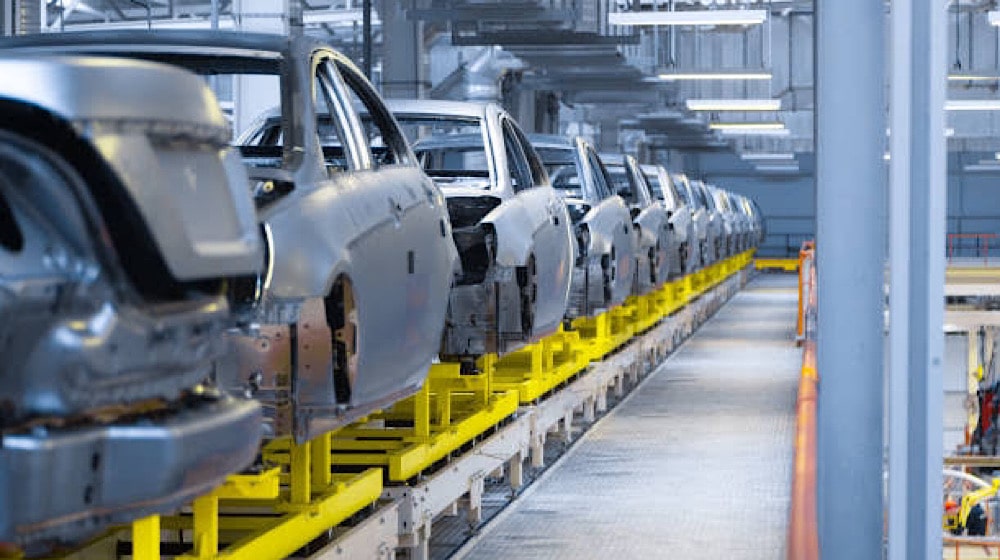
The assembly process works through several interconnected stages. First, CKD kits containing major vehicle components like engines, transmissions, and chassis parts arrive at Pakistani ports. These kits then undergo customs clearance before transportation to assembly facilities. Finally, local assembly combines imported components with domestically sourced parts like seats, batteries, and tires.
Current disruptions are forcing manufacturers to consider alternative shipping routes, which often involve longer transit times and higher costs. Some companies are exploring air freight for critical components, though this significantly increases production costs.
Impact on Pakistani Automotive Industry and Consumers
The potential production delays will have cascading effects across multiple stakeholders in Pakistan’s automotive ecosystem. Vehicle buyers may face extended delivery times and potential price increases as manufacturers absorb higher logistics costs.
Local automotive dealers are likely to experience inventory shortages, particularly for popular Toyota models like Corolla, Yaris, and Hilux. This shortage could temporarily shift consumer demand toward locally available alternatives or used vehicle markets.
The broader Pakistan News landscape reflects growing concerns about industrial stability amid global uncertainties. The automotive sector employs thousands of workers directly and supports numerous ancillary industries including auto parts manufacturing, dealerships, and maintenance services.
Tax Rationalization and Policy Recommendations
Indus Motor Company has called for immediate government intervention through tax policy reforms to mitigate the impact of supply chain disruptions. The company specifically recommends reducing sales tax from the current 25% on certain vehicle categories to approximately 18%.
This tax rationalization is designed to maintain competitive neutrality across different vehicle segments while providing relief to consumers facing potential price increases due to higher logistics costs. The proposed reduction could help sustain vehicle demand during the challenging period.
Management emphasized the importance of developing a comprehensive Auto Policy 2026-31 that aligns with broader economic reforms. This policy framework should address supply chain resilience, local content development, and investment incentives for automotive manufacturers.
Current Market Conditions and Recovery Prospects
| Factor | Current Status | Impact on Recovery |
|---|---|---|
| Economic Stability | Improving | Positive for demand recovery |
| Financing Rates | Moderate | Supports vehicle purchases |
| Inflation Control | Under Control | Maintains purchasing power |
| Supply Chain | At Risk | Major challenge for production |
Despite current challenges, IMC management remains cautiously optimistic about long-term recovery prospects. The company noted that vehicle demand in Pakistan could gradually recover with continued economic stability, moderate financing rates, and controlled inflation.
New model launches and product changes remain under consideration, though the company has not finalized timelines due to the evolving geopolitical situation. This cautious approach reflects the uncertainty surrounding supply chain normalization.
Frequently Asked Questions
How long might the supply chain disruptions last?
The duration depends on Middle East geopolitical developments, but industry experts suggest disruptions could persist for several weeks to months, depending on shipping route alternatives and diplomatic resolutions.
Will Toyota vehicle prices increase in Pakistan?
While no official price announcements have been made, higher freight costs and potential supply shortages could lead to price adjustments. The company is seeking tax relief to minimize consumer impact.
Which Toyota models are most likely to be affected?
All Toyota models assembled in Pakistan, including Corolla, Yaris, Fortuner, and Hilux, could face production delays since they rely on imported CKD kits and components.
Are other automotive manufacturers in Pakistan facing similar issues?
Yes, all automotive manufacturers relying on imported components are vulnerable to similar supply chain disruptions, making this an industry-wide concern rather than Toyota-specific.
What can consumers do if they have pending vehicle bookings?
Consumers should stay in contact with authorized dealers for delivery updates and consider flexible delivery timelines. Some manufacturers may offer compensation for extended delays.
📚 Related Articles You May Like
Conclusion and Industry Outlook
The Middle East crisis poses significant challenges for Toyota vehicle production and Pakistan’s broader automotive industry. While Indus Motor Company’s warnings highlight immediate supply chain vulnerabilities, the situation also underscores the need for greater supply chain diversification and policy support.
Government intervention through tax rationalization and comprehensive automotive policy development will be crucial for maintaining industry stability. Consumers and stakeholders should prepare for potential short-term disruptions while supporting long-term resilience building measures.
Stay updated with the latest developments in Pakistan’s automotive sector by following our comprehensive coverage. Source: ProPakistani