
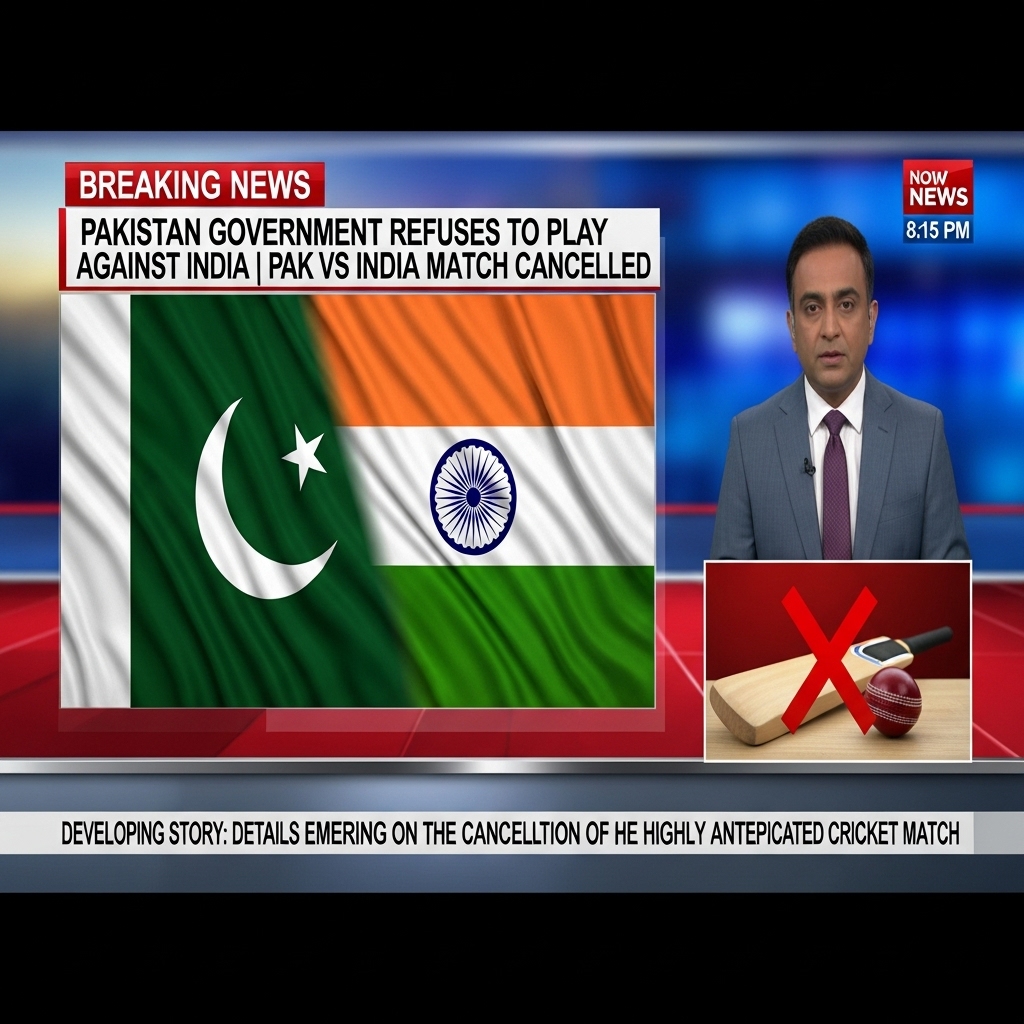
Pakistan Government Refuses to Play Against India | Pak vs India Match Cancelled – Breaking News
Pakistan to Boycott India Match at T20 World Cup 2026 – Government Confirms
In a stunning development that has sent shockwaves through the cricket world, the Government of Pakistan has officially announced that the national cricket team will not take the field against India in their scheduled T20 World Cup 2026 match on February 15. While granting approval for Pakistan’s participation in the tournament, the government has specifically directed the team to boycott the high-profile clash against their arch-rivals.
The announcement came via an official statement on the Government of Pakistan’s X account today, just days before the tournament begins on February 7. “The Government of the Islamic Republic of Pakistan grants approval to the Pakistan Cricket Team to participate in the ICC World T20 2026; however, the Pakistan Cricket Team shall not take the field in the match scheduled on 15th February 2026 against India,” the statement read, without providing specific reasons for the decision.
Background: The Bangladesh Controversy
This decision follows weeks of mounting tensions after Bangladesh were removed from the tournament on January 24 following their refusal to play in India due to security concerns. The Bangladesh Cricket Board had requested that their matches be moved to Sri Lanka, but the ICC declined after an independent security assessment found no credible threats.
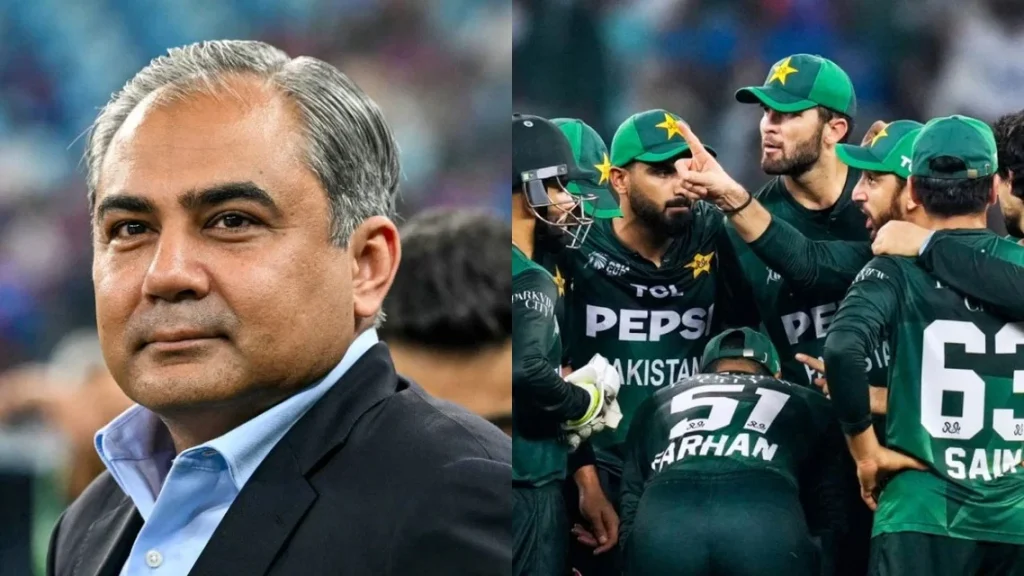
Pakistan was the only country vocally supportive of Bangladesh’s request for an alternate venue, and reacted to their removal by accusing the ICC of double standards favouring India. PCB chairman Mohsin Naqvi had been particularly critical, stating that the ICC’s decision to expel Bangladesh while accommodating India’s security concerns in previous instances represented unfair treatment.
Read More
The Decision-Making Process
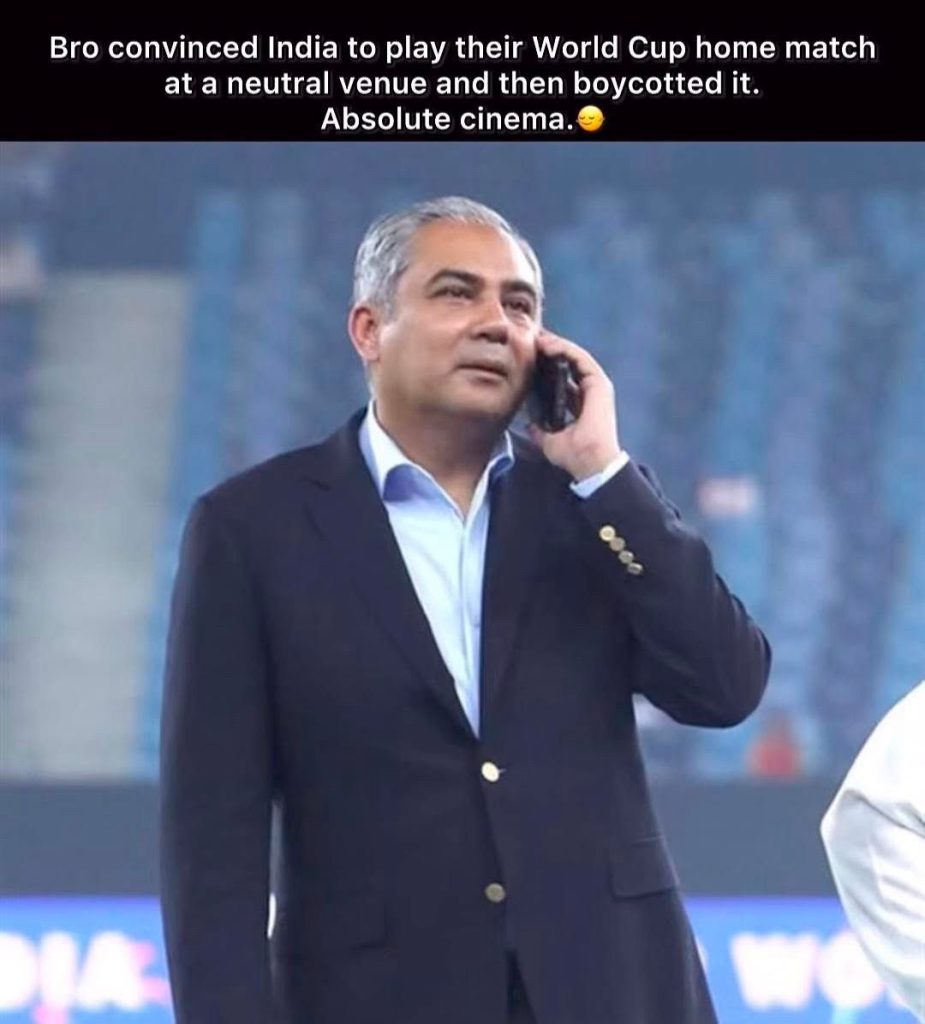
The final call came after a crucial meeting between Prime Minister Shehbaz Sharif and PCB Chairman Mohsin Naqvi on Sunday. Naqvi had previously indicated that the government would make the ultimate decision regarding Pakistan’s participation, stating that a final call would be taken by January 30 or February 2 – making this announcement right on that deadline.
PCB Chairman Mohsin Naqvi had earlier criticized the ICC for alleged double standards. “You can’t have double standards,” Naqvi said. “You can’t say for one country [India] they can do whatever they want and for the others to have to do the complete opposite. That’s why we’ve taken this stand and made clear Bangladesh have had an injustice done to them”.
Implications for the Tournament
Pakistan’s Schedule Remains Intact
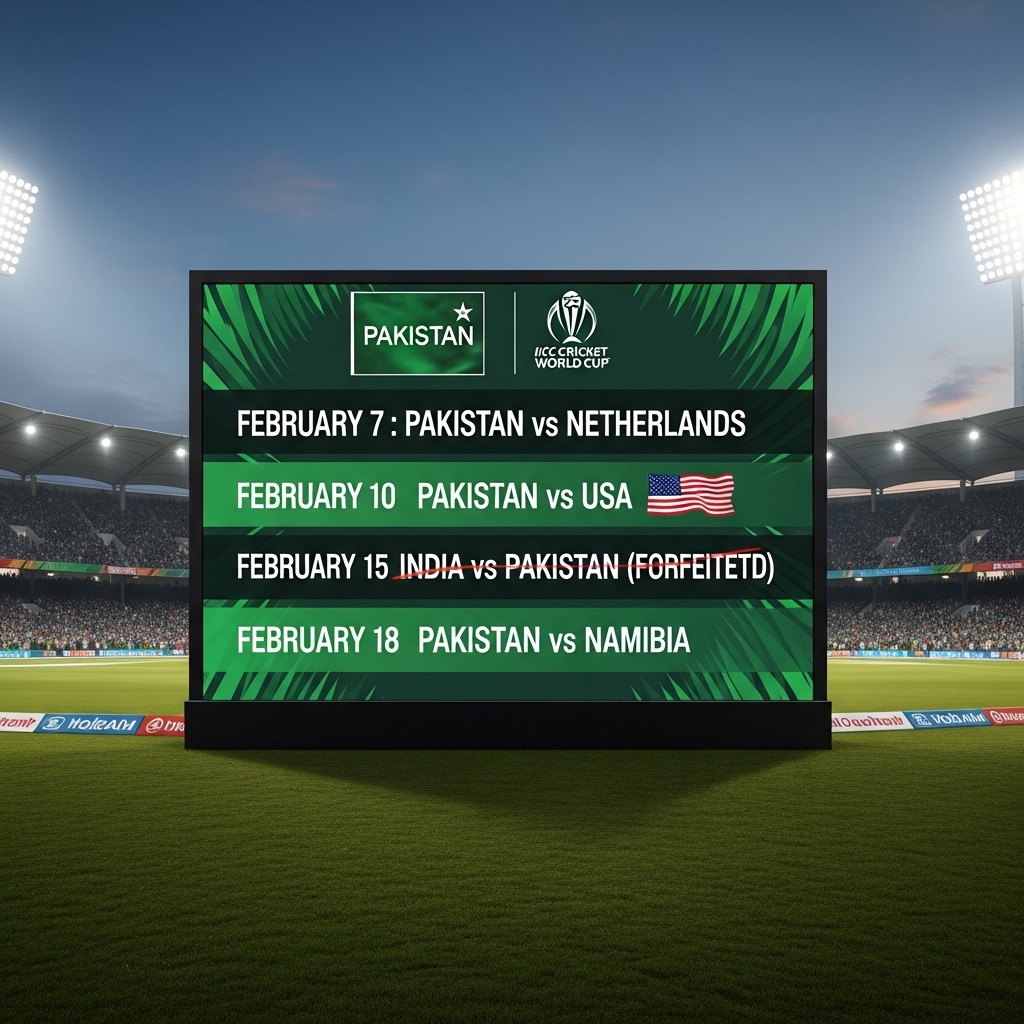
Despite boycotting the India match, Pakistan will participate in all other group stage fixtures. Pakistan are in Group A along with India, Namibia, Netherlands and USA, and are playing all their matches in Sri Lanka. They play their first match against Netherlands on February 7, the opening day of the T20 World Cup, and then take on USA on February 10, and Namibia on February 18.
All of Pakistan’s matches were already scheduled in Sri Lanka under the hybrid model approved by the ICC, which allows India and Pakistan to play at neutral venues when either country hosts an ICC event.
Points and Net Run Rate Impact
Pakistan will forfeit the two points from their game against India if they boycott the fixture. The ICC’s Playing Conditions dictate that Pakistan’s net run rate will also be hit by the forfeiture, but India’s will remain unaffected. This could prove crucial for Pakistan’s chances of advancing from the group stage.
Under ICC regulations, the full 20 overs of Pakistan’s innings will be counted as zero runs in calculating their average, significantly damaging their net run rate for the tournament.
Financial and Legal Consequences
Massive Financial Risk
The decision carries enormous financial implications for Pakistan cricket. Broadcasters have cautioned that Pakistan could face a lawsuit worth $38 million if it pulls out of the February 15 match in Colombo. The India-Pakistan fixture is the most commercially valuable match in any ICC tournament, generating massive revenue through advertising, sponsorships, and viewership.
Beyond potential lawsuits, the PCB could lose significant revenue from ICC participation fees and performance-linked incentives, estimated between $500,000 and $1 million. This could put pressure on domestic cricket programs and the Pakistan Super League.
ICC Sanctions Loom
The ICC has issued its first official statement after the Pakistan government directed its team to not play the T20 World Cup 2026 group stage match against India on February 15. In its statement, the ICC stated that the decision to boycott the India match is difficult “to reconcile with the fundamental premise of a global sporting event”.
The ICC has reminded the PCB of potential long-term implications and asked the board to explore a mutually acceptable resolution. However, it is understood the PCB is yet to write to the ICC informing them of the boycott.
Reactions from Cricket Community
Pakistani Perspective
Former Pakistan wicketkeeper batter Kamran Akmal backed the decision. “Enough is enough, we had to take this decision,” Akmal told AFP. “India has been frequently mixing politics with sports and damaging the spirit of the game, so our government has taken a strong decision which should be backed”.
The decision has received mixed reactions within Pakistan, with some supporting the government’s stance on principle while others worry about the long-term consequences for Pakistan cricket.
International Concerns
Cricket experts and commentators worldwide have expressed concern about the precedent this sets for international cricket. The boycott of a specific match while participating in the rest of the tournament is unprecedented in ICC history and raises questions about the future of India-Pakistan cricket relations.
Historical Context
Pakistan and India have not played bilateral cricket since 2012 and only face each other in multi-nation ICC events. Under the hybrid model arrangement agreed last year for ICC events during 2024-2027, matches involving both countries are played at neutral venues when either hosts a tournament.
The India-Pakistan rivalry is considered the biggest in cricket, with matches between the two nations attracting hundreds of millions of viewers worldwide and generating enormous commercial interest.
What Happens Next?
Immediate Timeline
- February 7: Pakistan’s first match against Netherlands
- February 10: Pakistan vs USA
- February 15: Scheduled India vs Pakistan match (now forfeited)
- February 18: Pakistan vs Namibia
Potential Outcomes
The ICC is expected to formally address Pakistan’s decision in the coming days. Possible scenarios include:
- Acceptance of Forfeit: ICC accepts Pakistan’s decision, awards India two points
- Negotiated Settlement: Last-minute diplomatic efforts to resolve the situation
- Sanctions: ICC imposes penalties beyond the match forfeit
- Legal Action: Broadcasters and sponsors pursue compensation claims
Broader Impact on Cricket
This decision represents a major crisis for international cricket governance. The mixing of politics and sports, the ICC’s handling of member nations’ security concerns, and the precedent of selective tournament participation all raise serious questions about the future of global cricket.
The situation also highlights the unique challenges of India-Pakistan cricket relations and how they affect ICC events. With both countries being major cricket powers and revenue generators, finding sustainable solutions becomes even more critical.
Conclusion
Pakistan’s decision to boycott the February 15 T20 World Cup match against India while participating in the rest of the tournament marks an unprecedented moment in cricket history. While the government has taken this stance in solidarity with Bangladesh and against perceived ICC double standards, the decision carries significant financial, sporting, and diplomatic consequences.
As the cricket world watches closely, the coming days will determine whether this situation can be resolved through negotiation or whether it represents a permanent shift in how India-Pakistan cricket is managed at ICC events. What remains certain is that the most anticipated match of the tournament will now not take place, leaving millions of cricket fans disappointed worldwide.