
Nipah Virus Latest Update 2026: Confirmed Cases, Symptoms, Spread & Prevention Explained
Breaking: India Confirms Nipah Virus Outbreak in West Bengal
Indian health authorities have confirmed a Nipah virus outbreak in West Bengal, with two confirmed cases reported in January 2026. Both patients are healthcare workers from the same hospital, raising concerns across Asia and prompting heightened airport screening measures in multiple countries.
What is Nipah Virus?
Nipah virus (NiV) is a zoonotic disease transmitted from animals such as fruit bats and flying foxes to humans. First identified in 1999 during an outbreak in Malaysia and Singapore, this deadly pathogen has since caused periodic outbreaks in South and Southeast Asia.
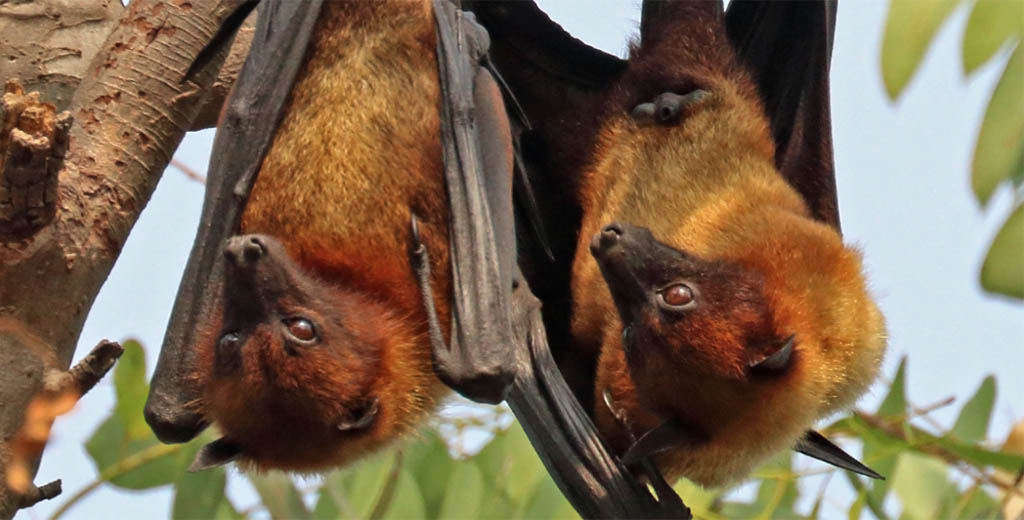
Key Facts About Nipah Virus:
- Natural Host: Fruit bats, particularly those of the Pteropus genus
- First Discovery: 1999 in Malaysia and Singapore
- Transmission: Animal-to-human, contaminated food, or person-to-person contact
- Fatality Rate: Between 40 and 75% of infected people will die
- Geographic Range: South and Southeast Asia (Bangladesh, India, Philippines)
2026 Outbreak: Current Situation
Confirmed Cases
Two cases have been confirmed in West Bengal state – both are 25-year-old nurses (a woman and a man) working at the same private hospital in Barasat, located in North 24 Parganas district. The patients developed symptoms in late December 2025 and were isolated in early January 2026.
Contact Tracing Results
Indian health officials have implemented extensive contact tracing measures. Of the 196 contacts linked to the confirmed cases, all traced contacts have been found asymptomatic and have tested negative for the virus. As of January 27, 2026, no additional cases have been detected.
Government Response
The Indian government has deployed an outbreak response team to West Bengal. Enhanced surveillance, laboratory testing, infection prevention and control measures, and field investigations are underway, with coordinated efforts between central and state health authorities.
Regional Impact and Global Concerns
Airport Screening Measures
The outbreak has prompted several Asian countries to implement or strengthen health screening procedures:
- China: Enhanced airport surveillance ahead of Lunar New Year travel
- Thailand: Screening travelers from West Bengal at major airports
- Taiwan: Considering listing Nipah virus as a Category 5 disease
- Other Southeast Asian nations: Heightened health monitoring protocols
Risk Assessment
According to the World Health Organization, the risk levels are assessed as follows:
- Sub-national level (West Bengal): Moderate risk
- National level (India): Low risk
- Regional and global level: Low risk
The WHO notes that cases are confined to North 24 Parganas district with no reported travel while symptomatic, making international spread unlikely.
Read More.
Nipah Virus Symptoms: What to Watch For
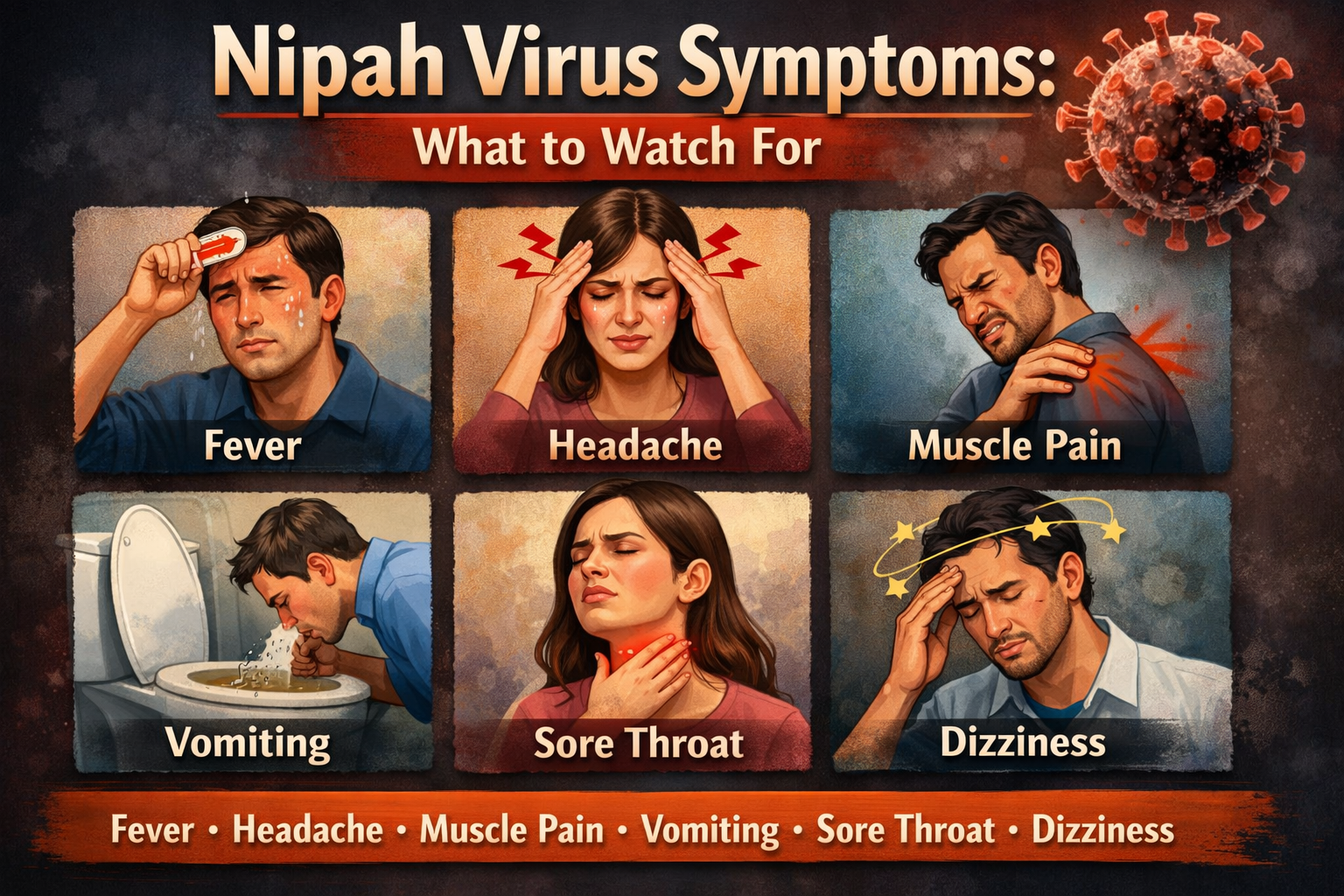
Early Symptoms (3-4 days after incubation)
- Fever
- Headache
- Muscle pain
- Vomiting
- Sore throat
- Dizziness
Severe Symptoms
The virus causes severe respiratory and neurological disease, progressing from fever and headache to acute encephalitis (brain inflammation) in severe cases.
Additional severe symptoms include:
- Mental confusion
- Convulsions
- Drowsiness
- Altered consciousness
- Acute respiratory distress
- Coma (within 24-48 hours in severe cases)
Incubation Period
The virus typically incubates in the human body for five to 14 days, with symptoms occurring within three to four days.
Long-term Effects
Some survivors may be left with lasting neurological difficulties, including persistent seizures and personality changes. In rare cases, the virus can reactivate months or even years after initial infection.
Read More.
How Does Nipah Virus Spread?
Primary Transmission Routes
1. Animal-to-Human Transmission
- Direct contact with infected bats or their bodily fluids
- Contact with infected pigs or other animals
- Consumption of food contaminated by bat saliva or urine
2. Food-borne Transmission
- Consuming raw date palm sap contaminated by infected bats
- Eating fruits partially consumed by infected bats
- Drinking unpasteurized fruit juice from contaminated sources
3. Human-to-Human Transmission
- Close contact with infected individuals
- Exposure to respiratory secretions
- Healthcare settings (as evidenced by the current outbreak)
- Contact with contaminated bodily fluids
Treatment and Vaccine Status
Current Treatment Options
According to the WHO, there is currently no approved treatment or vaccine available for people infected by the virus. Treatment focuses on:
- Supportive care
- Managing complications
- Maintaining patient comfort
- Intensive care for severe cases
Vaccine Development
Promising developments are underway:
- The University of Oxford launched the second phase of clinical trials for a Nipah virus vaccine in Bangladesh in December 2025
- Several experimental therapies are in development, including monoclonal antibodies and fusion inhibitors
- The UK Health Security Agency and The Pirbright Institute are supporting henipavirus vaccine development
Prevention: How to Protect Yourself
For Travelers to Endemic Areas
If you’re traveling to Bangladesh, India (especially Kerala and West Bengal), or other affected regions, follow these critical prevention measures:
Avoid Animal Contact:
- Stay away from fruit bats and their habitats
- Avoid contact with sick animals, especially pigs
- Don’t handle dead animals
Food Safety Practices:
- Don’t consume raw or partially fermented date palm sap – if consuming date palm juice, ensure it has been boiled first
- Wash all fruit thoroughly with clean water and peel before eating
- Avoid consuming fruit found on the ground
- Don’t eat fruit that appears partially eaten by animals
- Ensure proper cooking of all food products
Personal Hygiene:
- Practice frequent handwashing with soap and water
- Use hand sanitizer when soap isn’t available
- Avoid touching your face, especially in high-risk areas
For Healthcare Workers
Healthcare workers face elevated risk, as demonstrated by the current outbreak:
- Use appropriate personal protective equipment (PPE)
- Follow strict infection prevention and control protocols
- Implement proper isolation procedures for suspected cases
- Practice meticulous hand hygiene
- Report any potential exposures immediately
Community-Level Prevention
Targeted risk communication activities are ongoing in affected and neighboring districts, with a focus on preventive behaviors such as avoiding the consumption of raw date palm sap.
Communities should:
- Educate families about transmission routes
- Avoid high-risk behaviors during outbreak periods
- Report suspected cases to health authorities immediately
- Support contact tracing efforts
Historical Context: Previous Outbreaks
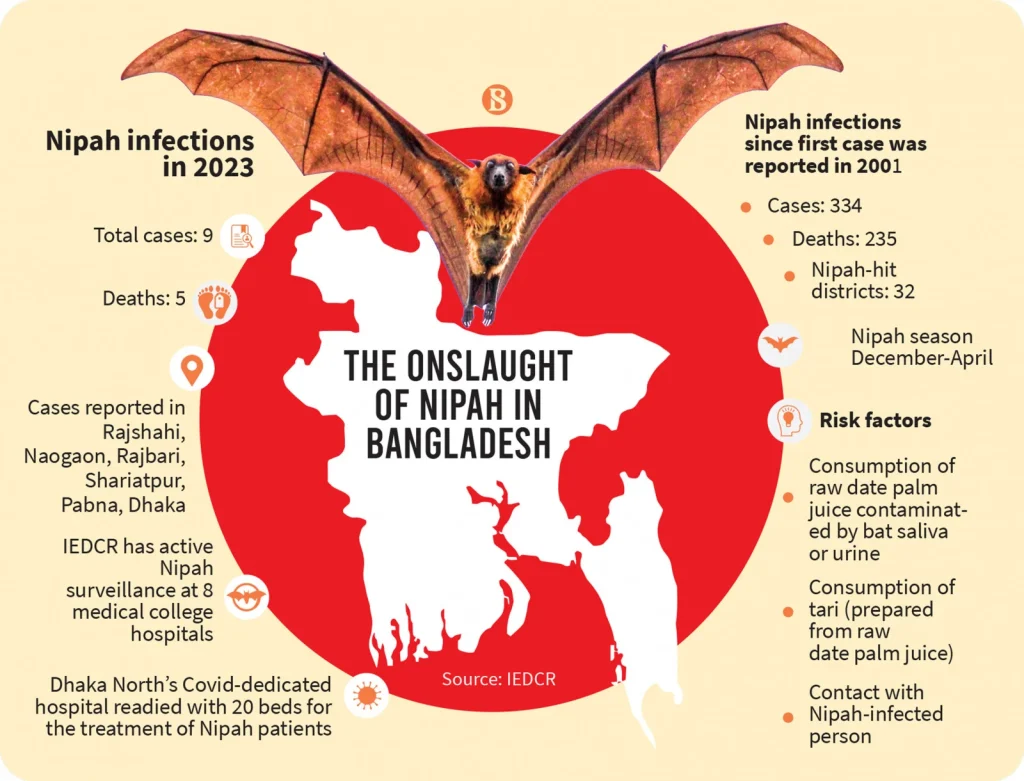
India’s Experience with Nipah
- 2001 & 2007: Earlier outbreaks in West Bengal
- 2018-present: The Indian state of Kerala has reported Nipah cases almost every year since 2018
- 2026: Current outbreak in West Bengal with two confirmed cases
Regional Patterns
- Bangladesh: Cases have occurred almost annually since 2001
- Malaysia: Initial 1999 outbreak among pig farmers
- Philippines: Sporadic cases reported
- Singapore: Cases during initial 1999 outbreak
Why Nipah Virus is Taken Seriously
High Mortality Rate
With a fatality rate of 40-75%, Nipah virus is significantly more deadly than many other infectious diseases, including COVID-19. This high mortality rate, combined with the lack of approved treatments, makes every outbreak a serious public health concern.
Pandemic Potential
The World Health Organization has listed Nipah virus as an epidemic threat requiring urgent research and development action. Its ability to spread from person to person, combined with its high fatality rate, makes it a priority pathogen for global health security.
Economic Impact
Outbreaks can lead to:
- Healthcare system strain
- Travel restrictions
- Economic disruption in affected regions
- Agricultural losses (if livestock are involved)
- Tourism impacts
What Authorities Are Doing
India’s Response Strategy
Indian health authorities have demonstrated effective outbreak management:
- Rapid case identification and confirmation
- Comprehensive contact tracing (196 contacts traced)
- Strict isolation protocols
- Enhanced surveillance systems
- Field investigations and laboratory testing
- Public risk communication campaigns
International Cooperation
- WHO monitoring and risk assessment
- Regional health security coordination
- Airport screening implementation across Asia
- Research collaboration on vaccines and treatments
- Information sharing between affected countries
Frequently Asked Questions
Q: Is Nipah virus contagious?
A: Yes, Nipah virus can spread from person to person through close contact, respiratory secretions, and bodily fluids.
Q: Should I cancel my trip to India?
A: The WHO assesses the global risk as low. If traveling to West Bengal or Kerala, follow prevention guidelines and stay informed about the local situation.
Q: Can Nipah virus be cured?
A: There is no approved cure currently. Treatment is supportive care to manage symptoms and complications.
Q: How is Nipah virus diagnosed?
A: Through laboratory testing including RT-PCR, ELISA, and virus isolation from bodily fluids.
Q: Are there any areas currently off-limits?
A: No official travel bans exist, but enhanced screening is in place for travelers from affected regions.
What You Should Do Now
If You’re in an Affected Area:
- Follow local health authority guidance
- Avoid high-risk behaviors (raw date palm sap, contact with bats)
- Practice good hygiene
- Monitor yourself for symptoms
- Seek immediate medical attention if symptoms develop
If You’re Planning to Travel:
- Check travel advisories for your destination
- Understand prevention measures
- Consider travel insurance with medical coverage
- Register with your embassy if traveling to affected regions
- Stay updated on outbreak developments
General Public:
- Stay informed through reliable sources (WHO, CDC, national health ministries)
- Avoid spreading misinformation
- Support evidence-based public health measures
- Understand that the current risk remains low for most people
Conclusion
As of January 30, 2026, India has successfully contained the current Nipah virus outbreak in West Bengal. All 196 contacts have tested negative, and no new cases have been reported since the initial two confirmed cases. However, vigilance remains crucial.
The outbreak serves as a reminder of the ongoing threat posed by zoonotic diseases and the importance of:
- Robust surveillance systems
- Rapid response capabilities
- Ongoing vaccine research
- International cooperation
- Public health education
- One Health approaches connecting human, animal, and environmental health
While the immediate crisis appears contained, Nipah virus will likely continue to cause sporadic outbreaks in endemic regions. Continued investment in prevention, preparedness, and research remains essential to protect global health security.